
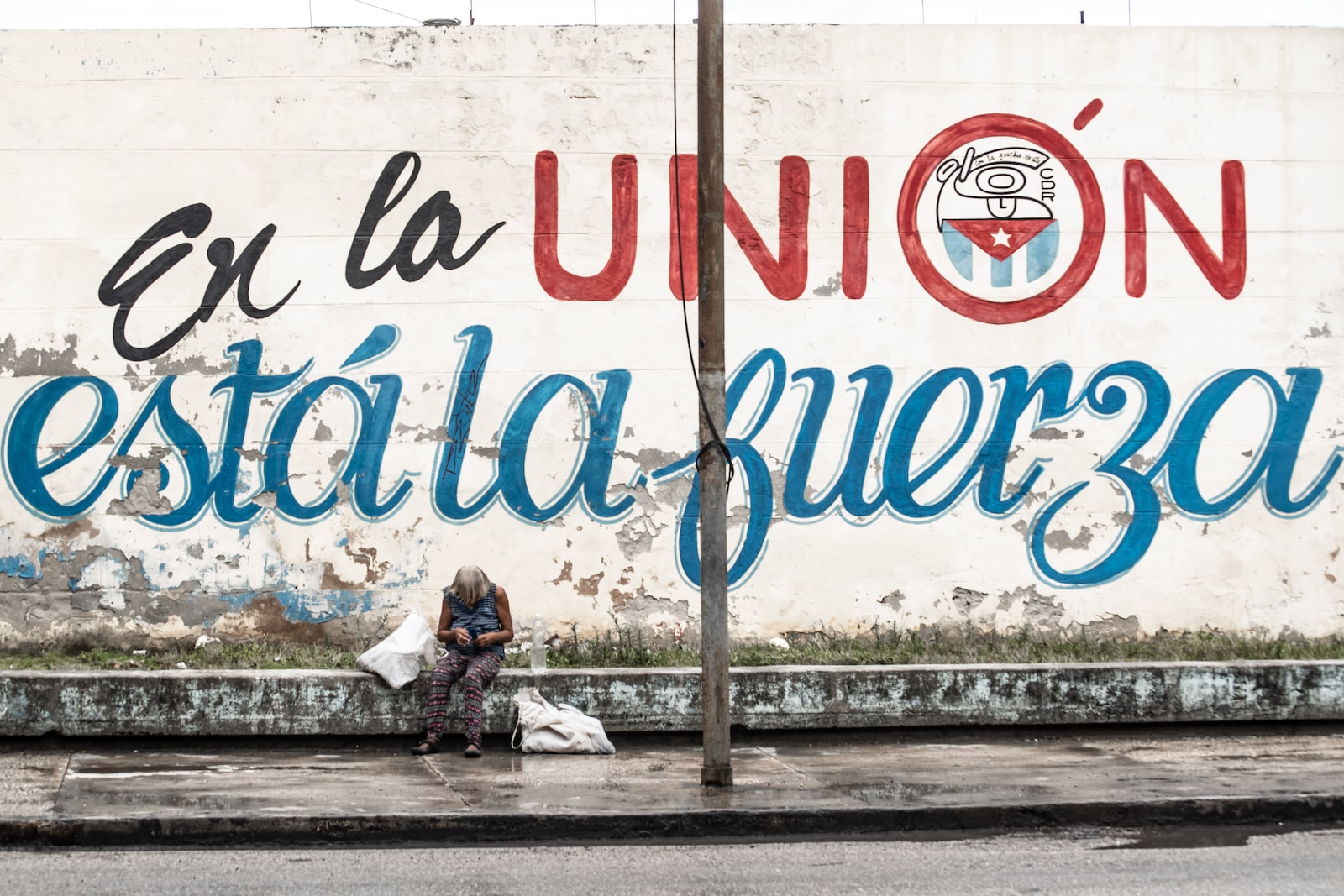
Propaganda plays a significant role in shaping public opinion and manipulating collective narratives. In the context of genocide and war crimes, propaganda can be a powerful tool used to dehumanize targeted groups, incite violence, and justify atrocities. Analyzing the role of propaganda in promoting genocide and war crimes is essential for understanding the mechanisms through which hate and violence are propagated. This article explores how one can analyze the role of propaganda in promoting genocide and war crimes, highlighting its impact on perception, recruitment, and the escalation of violence.
Analyzing the Role of Propaganda in Promoting Genocide and War Crimes
Manipulating Perception and Dehumanization
Propaganda in the context of genocide and war crimes often seeks to manipulate perceptions and dehumanize targeted groups. Analyzing its role involves examining the following aspects:
- Demonization: Propaganda aims to portray the targeted group as an enemy, emphasizing their differences, and fueling hatred and fear. Analyzing the role of propaganda involves assessing how it dehumanizes the targeted group by labeling them as threats or subhumans.
- Stereotyping: Propaganda relies on stereotypes and distorted narratives to create an “us versus them” mentality. It amplifies negative stereotypes, reinforces prejudices, and generates hostility towards the targeted group.
- Otherization: Propaganda reinforces a sense of otherness, emphasizing the differences between the targeted group and the dominant group. This serves to isolate the targeted group and make them more susceptible to persecution and violence.
Incitement and Mobilization
Propaganda plays a crucial role in inciting and mobilizing individuals or groups to commit acts of genocide and war crimes. Analyzing its role involves considering the following elements:
- Manipulating Emotions: Propaganda exploits emotions such as fear, anger, and hatred to provoke a desired response. By stoking these emotions, propaganda seeks to mobilize individuals or groups towards violent actions against the targeted group.
- Creating a Sense of Threat: Propaganda exaggerates or fabricates threats posed by the targeted group to the dominant group. It creates a narrative of self-defense and justifies the use of violence as a means to protect one’s community or identity.
- Recruitment and Indoctrination: Propaganda plays a crucial role in recruiting individuals or groups to perpetrate acts of genocide and war crimes. It promotes extremist ideologies, instills a sense of duty, and indoctrinates individuals with narratives that justify violence and devalue the lives of the targeted group.
Escalation and Sustained Violence
Analyzing the role of propaganda in promoting genocide and war crimes also entails understanding its impact on the escalation of violence and the perpetuation of atrocities:
- Normalization of Violence: Propaganda can desensitize individuals to violence and normalize its use. By presenting violent acts as justifiable or necessary, propaganda can erode moral inhibitions and contribute to the escalation of violence.
- Social Division and Polarization: Propaganda creates divisions within society, pitting different groups against each other. It fosters polarization and heightens tensions, leading to an environment conducive to the commission of violent acts.
- Sustaining Support: Propaganda helps sustain support for genocide and war crimes by perpetuating narratives that reinforce the perceived righteousness of these acts. It creates a sense of unity, fosters loyalty, and sustains public support for the ongoing violence.
Conclusion
Analyzing the role of propaganda in promoting genocide and war crimes is essential for understanding the mechanisms through which hate and violence are propagated. By examining its impact on perception, recruitment, and the escalation of violence, political scientists can contribute to efforts aimed at countering propaganda, promoting awareness, and fostering a culture of peace and tolerance. Understanding and addressing the role of propaganda is crucial in preventing future atrocities and promoting a more inclusive and compassionate society.


