Education
-

How Does One Tell a Mirage From Real Water?
You can usually tell a mirage from an actual pool by watching whether the apparent pool stays attached to the same ground. A water-like mirage shifts or disappears as your viewing angle changes, while a real pool has a fixed shoreline. A mirage is an optical phenomenon, and it can show the sky just as…
-

How Does One Use Sound Localization in a Crowded Room?
Sound source localization helps you find a sound by comparing what reaches each ear and combining those differences with clues from your surroundings. It helps you pick out a friend’s voice among overlapping conversations. The surprising part is how small those differences can be: your brain can detect an arrival-time gap of about 10 millionths…
-

How Does One Know Whether a Dinosaur Was Warm-Blooded?
Scientists infer whether a dinosaur was warm-blooded by combining bone growth, tooth chemistry, ancient climates, and evolutionary relationships. Each clue answers a different question, and agreement between independent clues makes the conclusion stronger. If you’ve wondered how anyone can take the temperature of an animal that died millions of years ago, no stable internal thermometer…
-

How Does One Make an Indoor Rainbow Appear?
You can make an indoor rainbow with a glass of water, a white beam, and a sheet of paper, without waiting for rain. The colors are already present in the beam; your setup separates them so you can see them. A sunny window and a glass are enough to begin. If direct sun isn’t available,…
-

How Does One Explain the Moon Illusion?
The Moon appears larger near the horizon above a rooftop, even though it hasn’t grown. The moon illusion happens because your visual system interprets its appearance differently at moonrise, although scientists still debate the exact mechanism. So how does one explain this visual illusion? The strongest explanations involve the brain’s judgments about size and distance,…
-

How Does One Grow Lab-Grown Diamonds? The Two Methods
A laboratory can grow a real diamond because carbon follows the same rules of chemistry wherever it happens to be. Manufacturers produce lab-grown diamonds using either intense heat and pressure or carbon-rich gas that builds a crystal layer by layer. Both methods begin with a tiny diamond seed, but they give carbon very different routes…
-

How Does One Explain Left-Handedness?
Left-handedness develops through a mixture of genes, early development and differences in how the brain organizes movement. Even identical twins can prefer different hands. Left-handed people make up roughly one person in ten, and that preference is ordinary human variation. The interesting question is why a shared human blueprint produces different preferences, and why those…
-

How Does One Map the Ocean Floor Without Seeing It?
We can map an underwater mountain without ever photographing it, because sound travels through seawater far better than light. Ocean floor mapping mostly uses returning echoes to measure ocean depth, while satellites reveal broader features through changes in sea surface height. The surprising part is how much work happens between hearing an echo and drawing…
-

How Does One Measure the Weight of a Cloud?
You measure a cloud’s weight by estimating its volume and multiplying by the amount of water in each cubic meter. For a typical fair-weather cumulus, that gives roughly 500,000 kilograms, or 1.1 million pounds. That’s an impressive load for something that resembles pillow stuffing. However, this familiar cloud weight estimate counts the suspended water, rather…
-

How Does One Explain Why Onions Make You Cry?
Onions make you cry because cutting them releases an airborne chemical that irritates your eyes. Cutting onions can make your eyes water as they produce protective tears to wash the irritant away. That explains the watering, but there’s an interesting complication: the tear-triggering chemical forms only after you damage the onion. Understanding that small chemical…
-
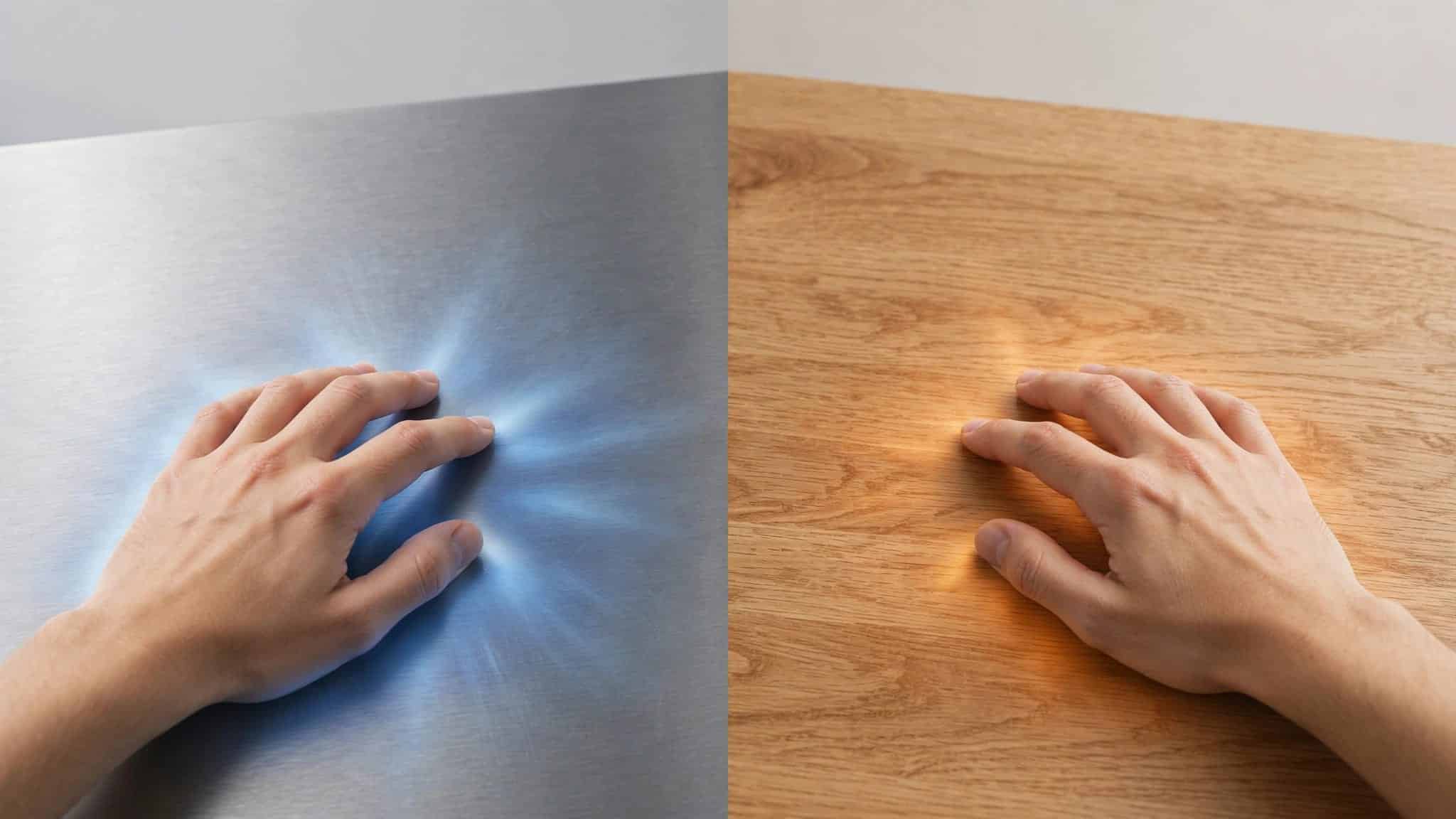
How Does One Explain Why Metal Feels Colder Than Wood?
Metal can make a tabletop feel chilly because it pulls warmth from your skin faster than wood. Your hand responds to that heat loss, so an ordinary table can feel suspiciously chilly. So how does one explain the difference without arguing with the thermometer? Start with heat flow, rather than the temperature reading alone. This…
-

How Does One Make Laboratory Lightning?
Scientists make laboratory lightning by storing electrical energy and releasing it as a carefully controlled, high-current pulse. The surprising part is that some facilities can reproduce lightning-strength currents without creating a thunderstorm. How does one make lightning in a laboratory, then, without the clouds? The answer depends on which part of lightning researchers want to…
-

How Does One Measure the Speed of Light Without a Stopwatch?
What can a toothed wheel, a moon slipping behind Jupiter, or a measured wave pattern tell us about a flash too brief to time by hand? Each offers a reference we can observe without relying on human reflexes. The trick is replacing your reaction time with a more reliable reference. A moon disappearing behind Jupiter…
-

How Does One Forecast a Tsunami? Warning Systems Explained
A tsunami can be moving toward shore while the sea in front of you looks perfectly ordinary. How does one forecast something that may barely disturb the surface of the open ocean? A tsunami warning system combines earthquake measurements, ocean sensors, and computer models to estimate where waves will arrive. As an early warning system,…
-

How Does One Make Photos Using Pinhole Photography?
Beverage cans can record photographs when you give them darkness, light-sensitive paper, and a little patience. So how do you make a photograph without a camera? This method needs no conventional camera or lens, although your homemade container becomes a camera itself. The essential ingredient is a tiny opening that lets light form an image…
-
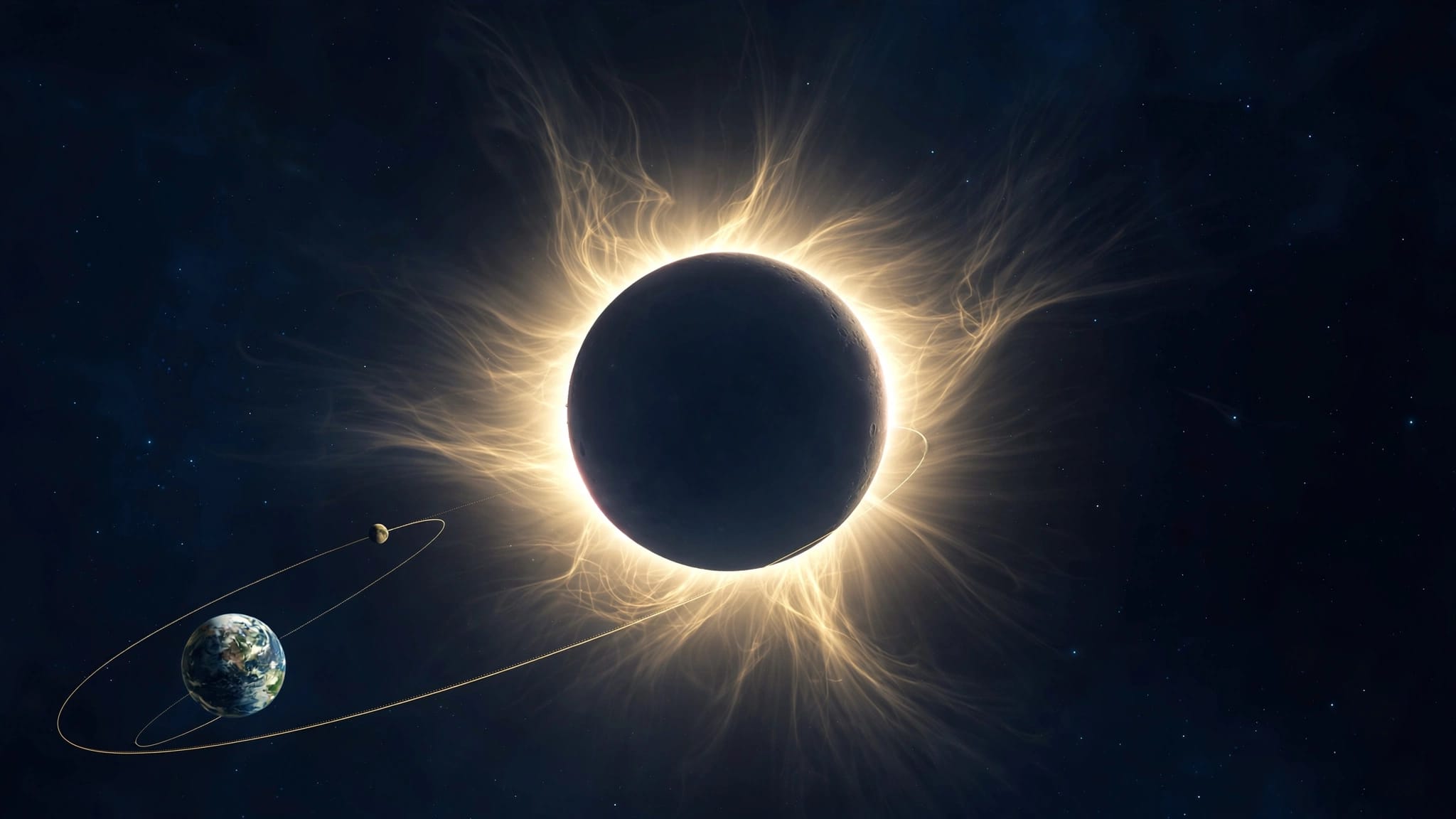
How Does One Predict an Eclipse Years in Advance?
Astronomers can tell you where the Moon’s shadow will fall decades before anyone knows whether that afternoon will be cloudy. How does one predict an eclipse years in advance with such confidence? The simple answer is that eclipse prediction combines repeating orbital patterns with calculations of where the Sun, Moon, and Earth will be. You…
-

How Does One Explain the Smell of Rain?
The first drops hit a dry garden, and suddenly the air smells as though someone has opened a bag of fresh earth. How does one explain the smell of rain when water itself has no noticeable odor? Much of that familiar earthy scent comes from the ground beneath your feet, where plant compounds and soil…
-
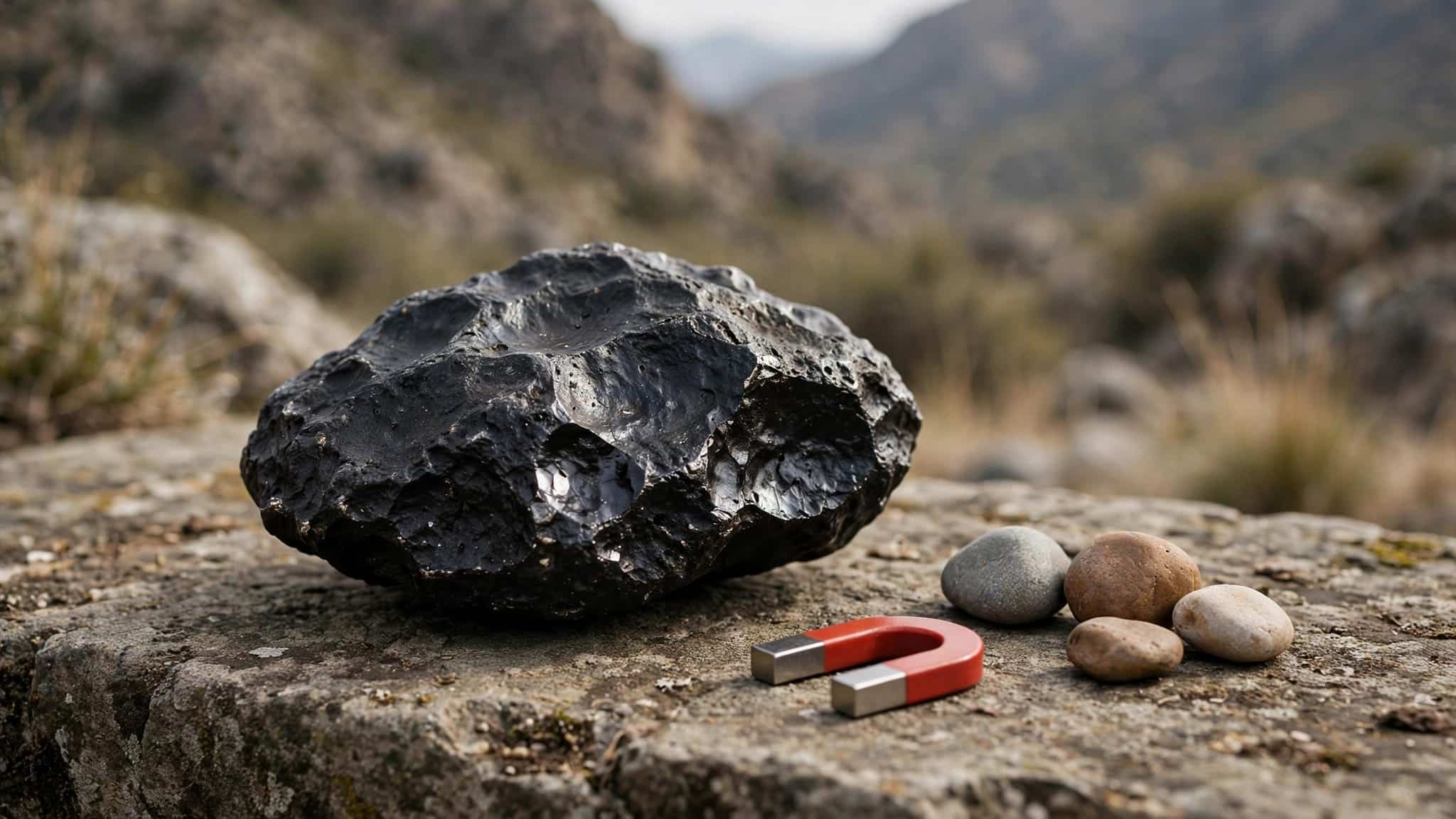
How Does One Identify a Meteorite Among Ordinary Rocks?
You pick up a dark, heavy stone, and suddenly an ordinary walk has the beginnings of a space story. How does one tell a meteorite from an ordinary rock when both can look equally unremarkable? Meteorite identification depends on several clues agreeing, rather than one impressive feature. A dark surface, unusual weight, or attraction to…
-

How Does One Spot a Moonbow? A Guide to Lunar Rainbows
The first surprise about a moonbow is that you might see one and mistake it for a pale patch of mist. It forms when moonlight passes through water droplets suspended in the atmosphere, but spotting one still takes the right conditions and position. The difficult part is recognizing something much fainter than the rainbow you’re…
-
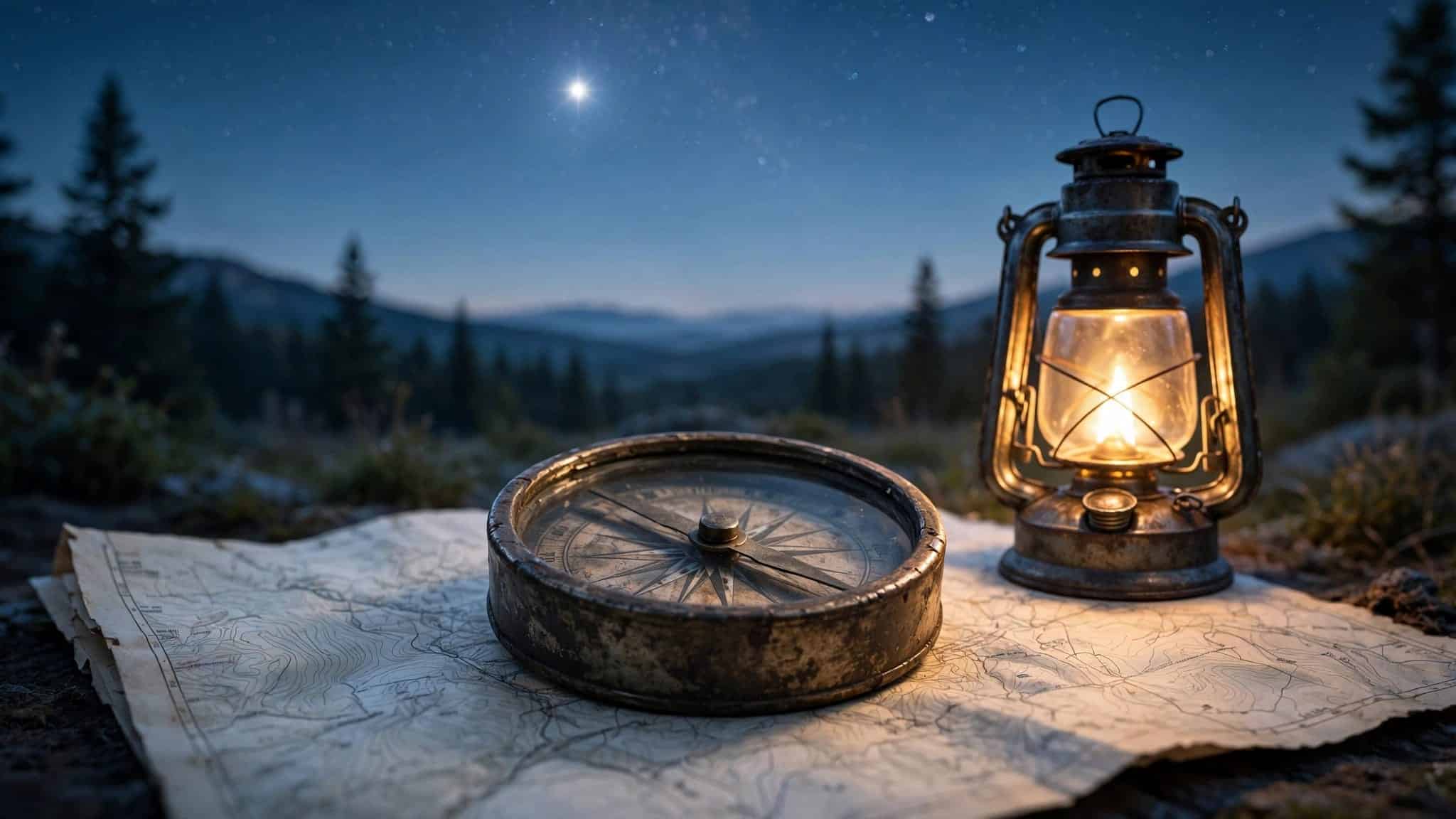
How Does One Find True North When a Compass Fails?
A compass needle can look perfectly confident while sending you in the wrong direction. So how does one find true north when a magnetic compass breaks, disappears, or starts behaving suspiciously? The answer is to use a different directional reference, not guess, then check it against your surroundings before moving. The Sun, stars, maps, and…
-

How Does One Know Earth’s Core Composition?
Nobody has brought back a piece of Earth’s core, yet we describe it as an enormous ball of iron. How does one know what Earth’s core is made of when it’s thousands of kilometers beyond reach? The answer comes from independent clues: earthquake waves, Earth’s weight, meteorites, and experiments that squeeze metals under extraordinary pressure.…
-
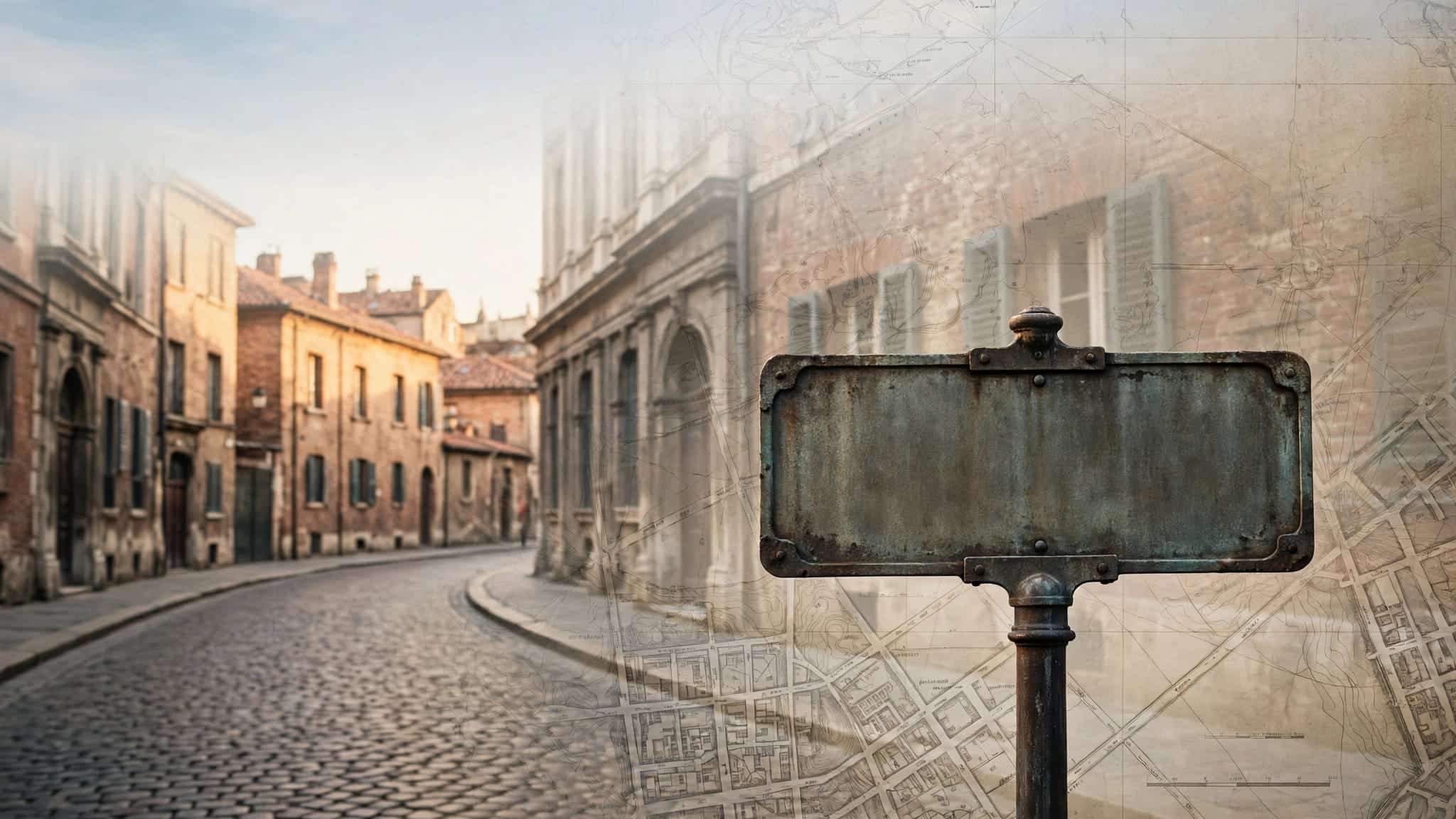
How Does One Explore a City’s Street Name Origins?
A street sign can outlive the thing it names by centuries. The market closes, the boundary disappears, and people continue giving directions as though nothing has changed. Exploring street name origins helps you read those leftovers, but a convincing story needs more than a suggestive word. Treat each name as a clue, then ask who…
-

How Does One Find the Deepest Point in the Ocean?
Finding the deepest point in ocean terrain begins with sound, which travels through seawater far better than light. Scientists use sonar to send sound pulses toward the seabed and time their return. That sounds straightforward, until you’re measuring nearly 11 kilometers of water and trying to distinguish a genuine depression from an instrument error. Sonar…
-
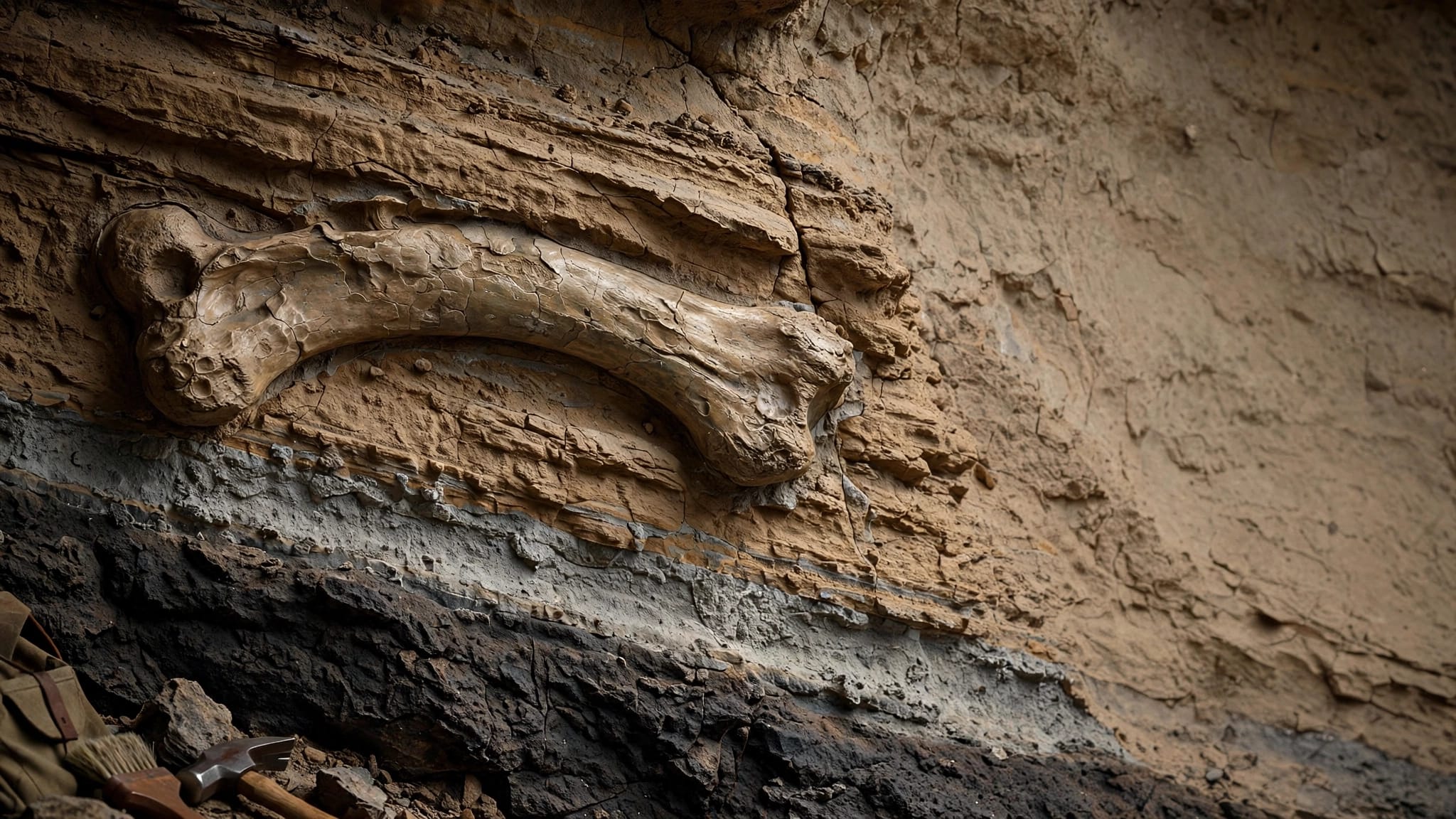
How Does One Date a Fossil Millions of Years Old?
A fossil’s age can come from a rock that contains no fossil at all. Dating fossils can involve measuring nearby volcanic rocks, then working out where the remains fit in the sequence. If you’ve wondered how a museum can confidently label a skeleton millions of years old, that geological context is the answer. The number…
-

How Does One Explain Why Popcorn Pops?
A pan of corn starts rattling, and suddenly its small, hard kernels become a bowlful of something you can eat by the handful. If you’ve wondered why popcorn pops, the answer is hidden in what each kernel keeps sealed inside. Heat turns that hidden water into steam. The kernel holds on until it can’t, and…
-

How Does One Make a Mirror Reflect Light?
You catch a patch of sunlight in a mirror, and suddenly it appears on the opposite wall. Did the mirror make the room brighter, or did it simply move the light around? To understand how mirrors reflect light, you need two things: a reflective surface and a way for light to reach it. The interesting…
-

How Does One Explain Why Shape Memory Alloys Remember?
Bend an ordinary metal wire far enough, and it stays bent. Warm the right nickel-titanium wire, and it can curl back to its original shape. That’s the shape memory effect, not memory like a brain. Shape memory alloys are smart materials that act like structures with two stable arrangements. Heat changes their crystal structure, allowing…
-

How Does One Hear a Black Hole Sound?
A black hole is about the last thing you’d expect to hear. Space is nearly empty, and the famous NASA audio sounds as though somebody gave the universe a rather ominous bass note. So how does one hear a black hole sound? Scientists can measure ripples in gas around one black hole, then shift the…
-
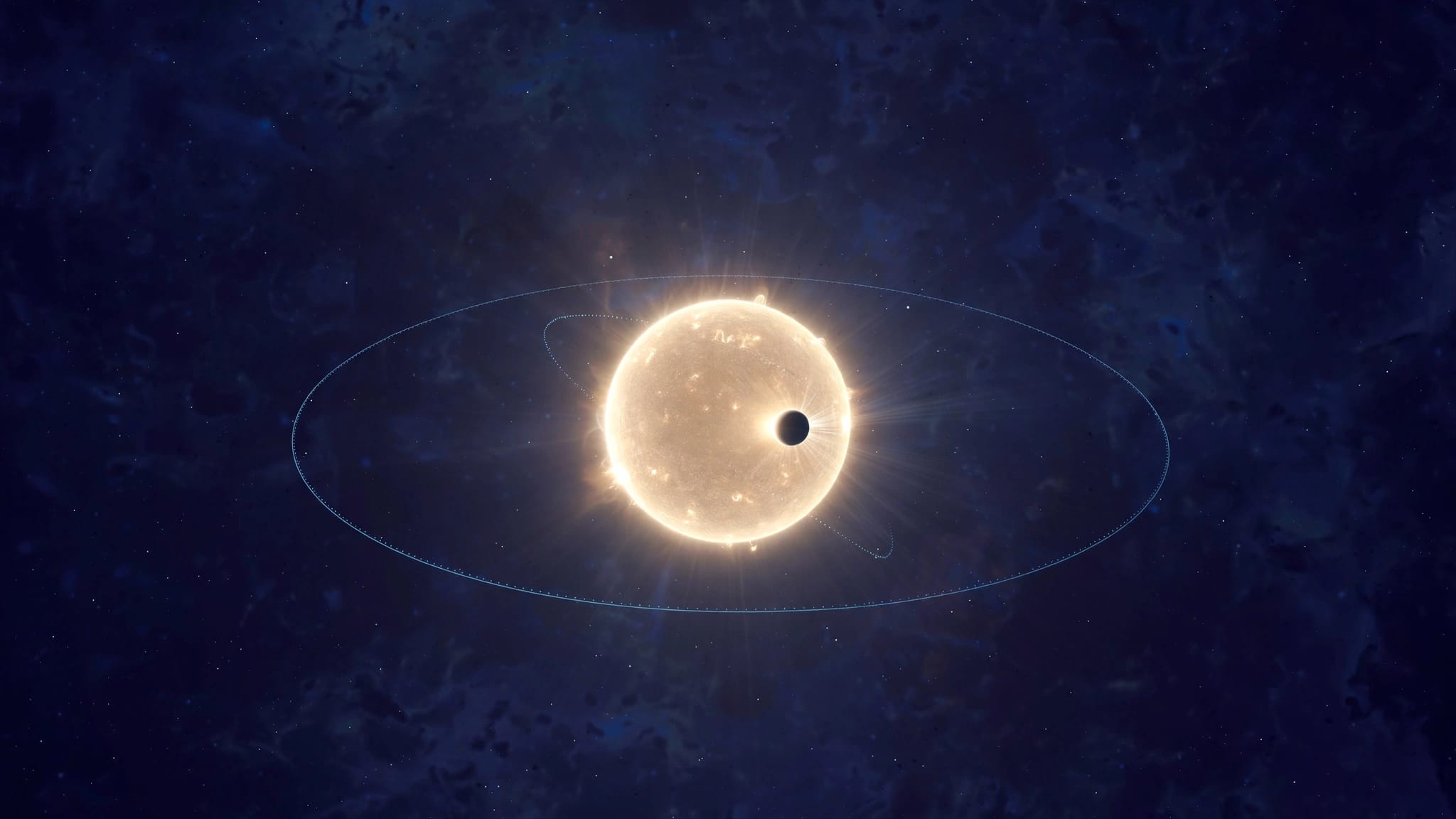
How Does One Find a Planet Around a Distant Star?
Imagine watching a porch light across the street and trying to tell whether a moth has flown in front of it. Now move the light several trillion miles away. That’s roughly the challenge behind planet hunting around other stars. If you’re wondering how to find exoplanets, or extrasolar planets, the answer is usually to watch…
-

How Does One Remember Something That Never Happened? False Memories Explained
You might remember the exact color of a car, the song playing in the background, or the look on someone’s face, only to learn that detail was never there. It feels unsettling because the memory can feel completely real. So, how does one remember something that never happened? Each act of memory retrieval rebuilds the…
-

How Does One Tell If Storm Clouds Hold Trouble?
A cloud can look moody without being dangerous. The useful clue is not simply that the sky has turned gray, but whether storm clouds are growing upward, building a dark base, and changing the air around you. A cumulonimbus cloud is the tall, restless cloud that often marks a thunderstorm, with thunderheads rising above a…
-

How Does One Turn Sand Into Glass?
A window looks so calm that it’s easy to forget it began as something loose, pale, and gritty. The answer to how sand becomes glass is more involved than simply heating it, despite the role of extreme heat. Commercial glass starts with a carefully chosen mineral mixture, then enters a furnace hot enough to turn…
-

How Does One Explain Bowerbird Mating Displays?
A bowerbird’s “home” is not really a home at all. It is a courtship stage, built and decorated by a male who is trying to persuade a female that he is worth her time. That is what makes bowerbird mating displays so strange and so impressive. The bird is not relying on feathers, song, or…
-

How Does One Explain Animal Courtship Behaviors?
Human dating can feel like a strange little circus. There are carefully chosen outfits, awkward first messages, overthought jokes, people who think holding a fish in a photo is a personality, and the occasional person whose entire flirting style is sharing animal facts at midnight. Then you look at animal courtship behaviors, and suddenly a…
-
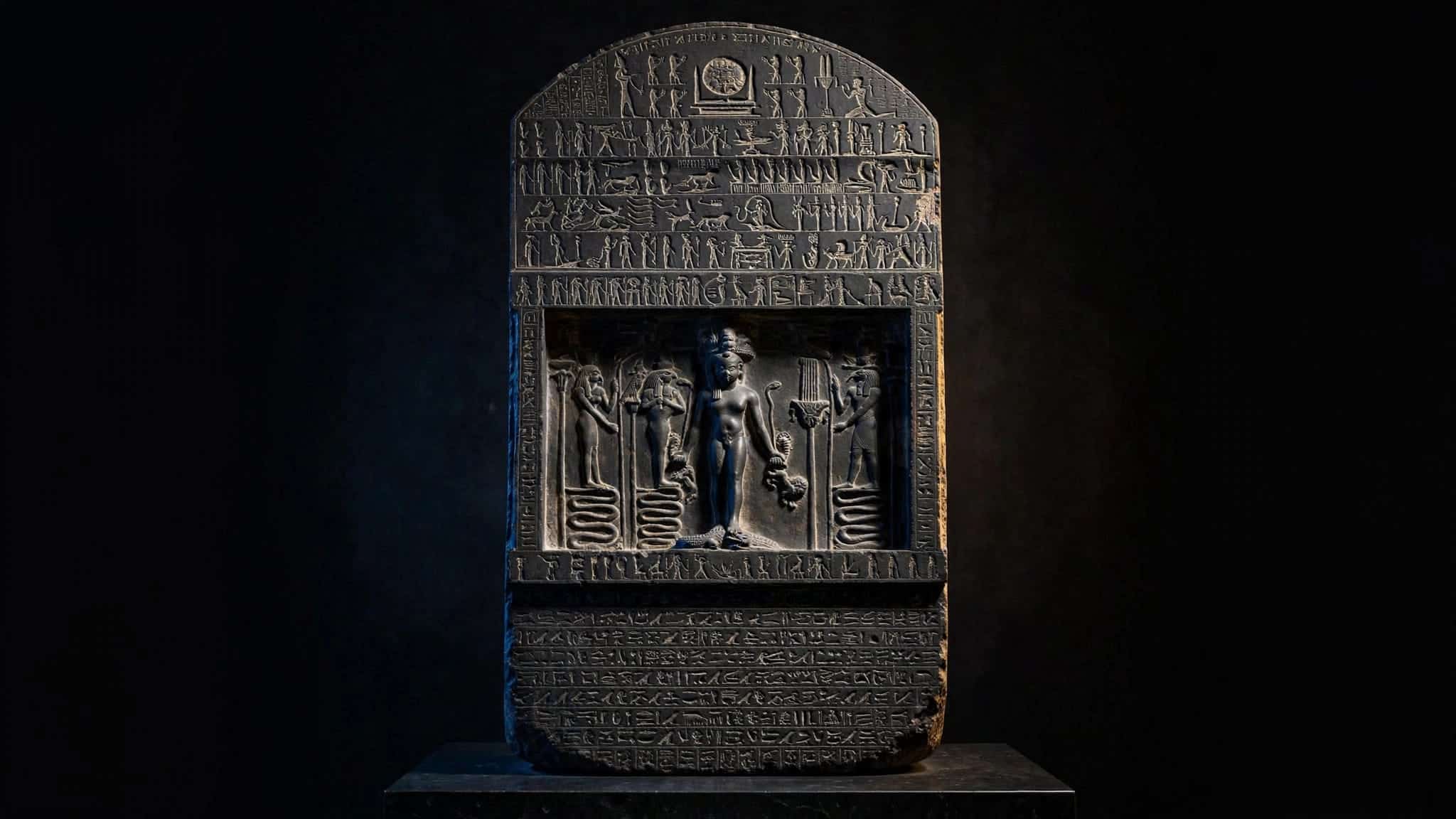
How Does One Read the Metternich Stela?
A stone covered in tiny figures and dense hieroglyphs can look like museum wallpaper at first. The Metternich Stela is nothing of the sort. It is an ancient Egyptian healing object built to deal with the sort of dangers that make a person panic fast: a scorpion sting, snakebite, poison, fever, and a child in…
-

How Does One Make Ancient Egyptian Blue Faience Beads?
A blue bead the size of a fingernail can hold an absurd amount of history. Egyptian faience beads were worn by living people, placed with the dead, traded, repaired, and lost in the dust of everyday life. They look a little like glass at first glance. They aren’t glass, though, and they aren’t made from…
-
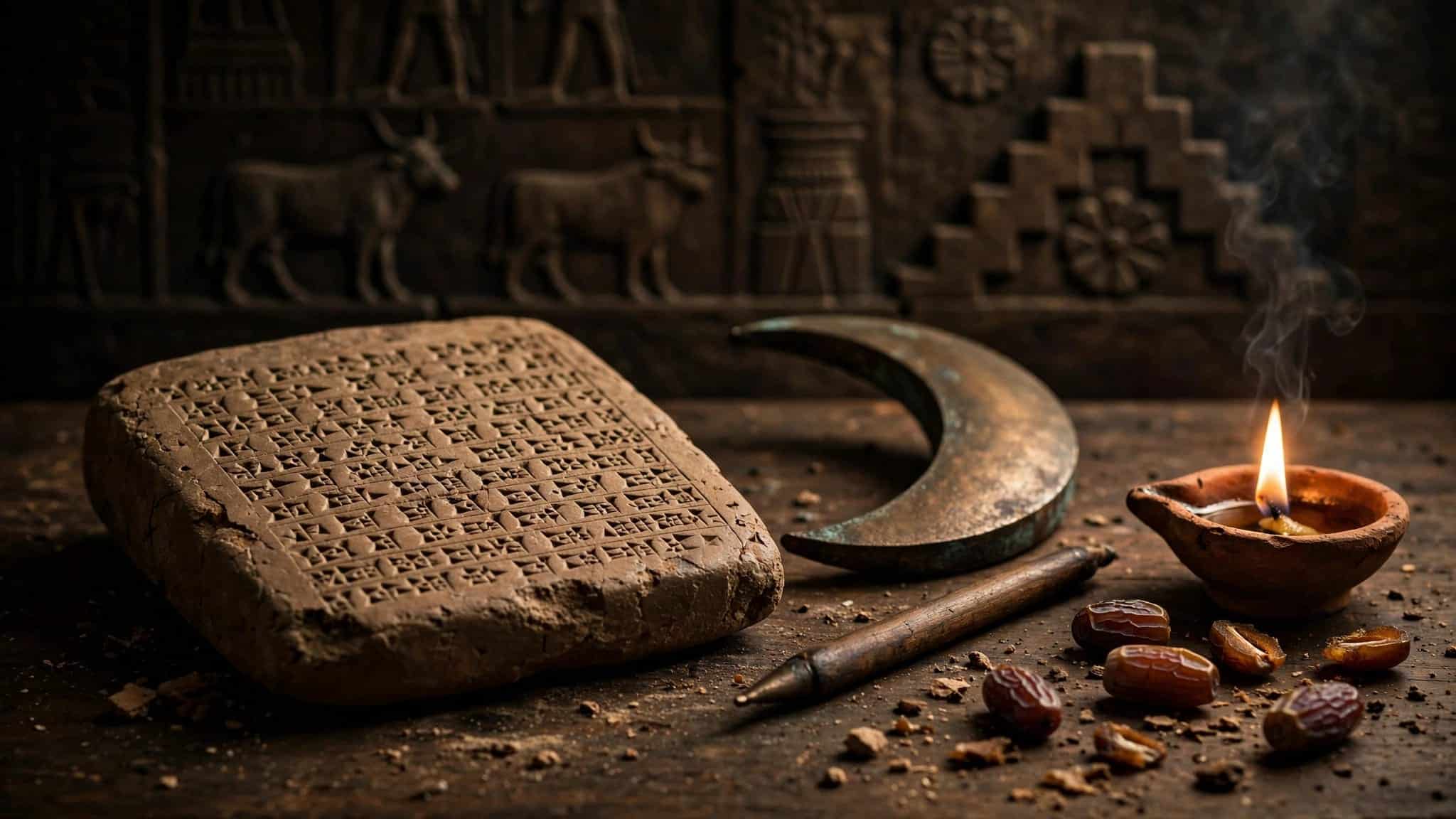
How Does One Explain Babylonian Hemerologies?
A date on the calendar can feel harmless until it tells you not to change your clothes, eat a particular meal, or ask a physician for help. That was the strange, serious world of Babylonian hemerologies, ancient texts that sorted days into safer and riskier moments. They were not horoscopes in the modern newspaper sense.…
-

How Does One Explain Harappan Brick Ratios?
A brick seems like a small thing to build a civilization around. Yet Harappan brick ratios may have helped make cities of the Indus Valley Civilization more orderly, not heaps of individual houses built on a whim. At Mohenjodaro, Harappa, Kalibangan, and other settlements, excavated bricks often show a 1:2:4 relationship between height, width, and…
-
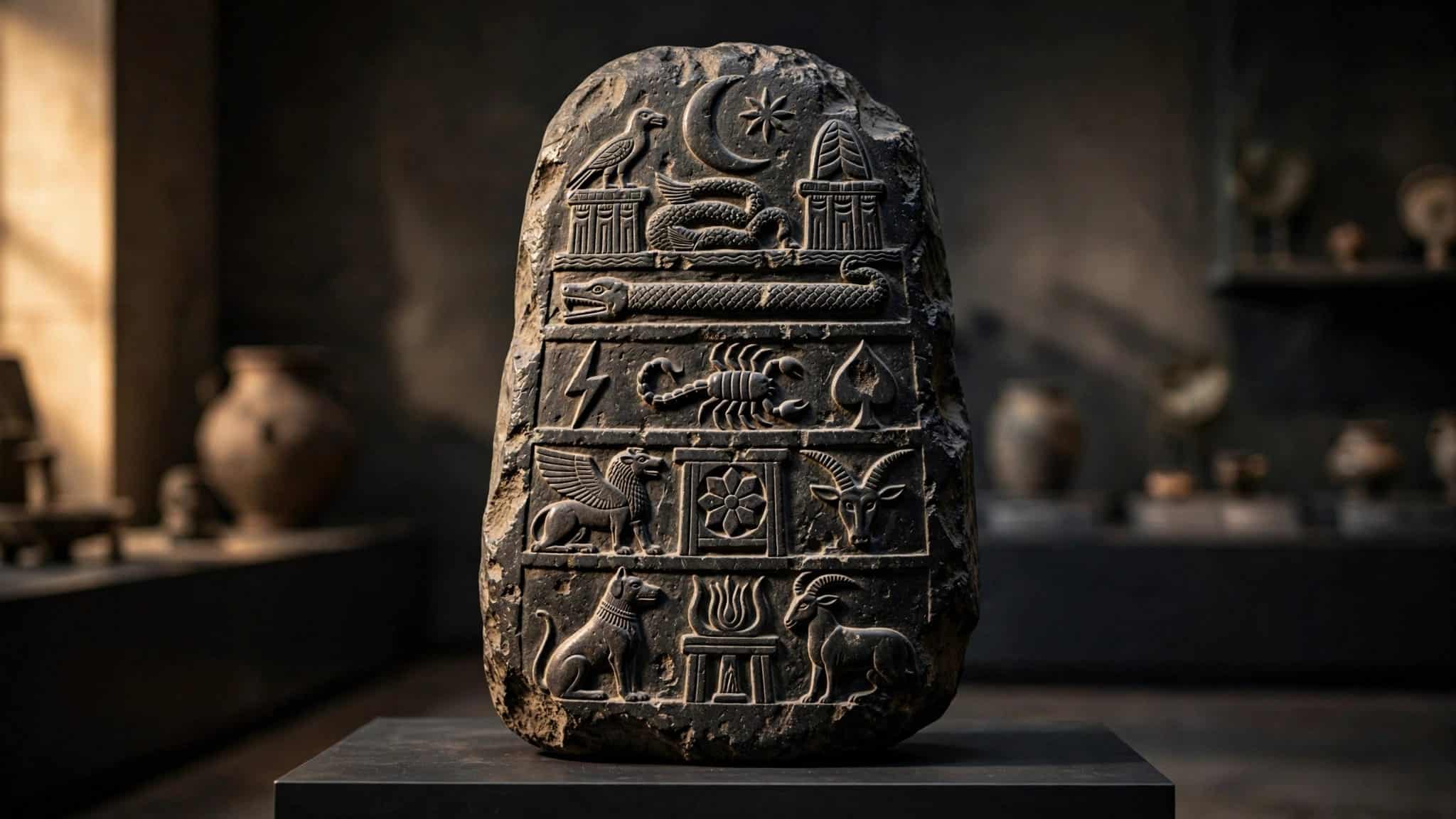
How Does One Read Mesopotamian Kudurru Stones?
A kudurru can look like a small, solemn slab of stone, the sort of thing you’d walk past in a museum before heading for the enormous winged bulls. That would be a mistake. These objects are full of land, money, family status, royal power, and enough divine threats to make a modern property solicitor blink.…
-

How Does One Explain Why Mesopotamians Buried Foundation Deposits?
A new temple was never only a pile of mud bricks. For a Mesopotamian king, it was a promise made to a god, a public statement of power, and a message pushed into the earth for someone not yet born. Mesopotamian foundation deposits were objects left beneath buildings in ancient Mesopotamia and across the ancient…
-
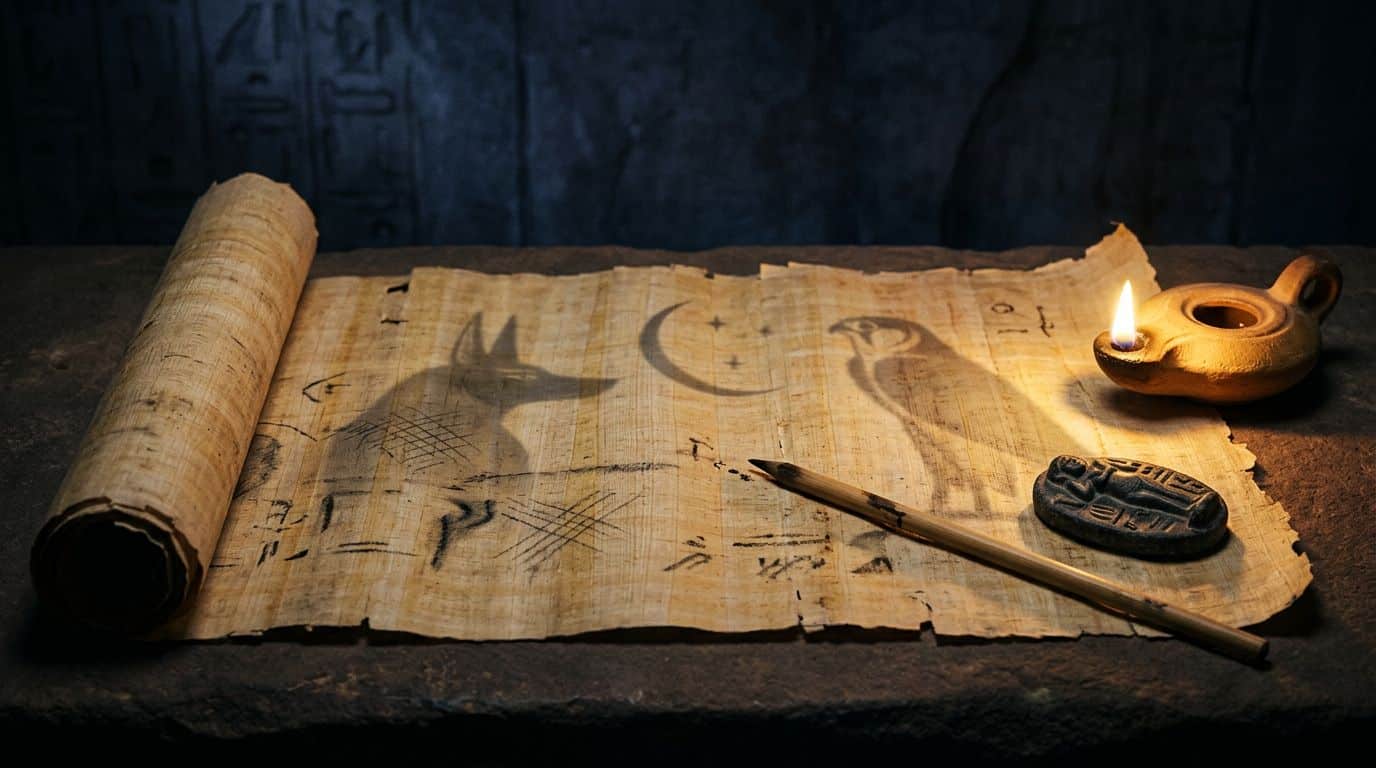
How Does One Read Nightmares? Ancient Egyptian Dream Books
A nightmare can leave you with a strange feeling long after breakfast. For ancient Egyptians, it could also carry a warning, a promise, or an upsetting glimpse of what might lie ahead. These manuals gave trained readers a way to sort that unease into a practical answer. They did not ask how a dream made…
-
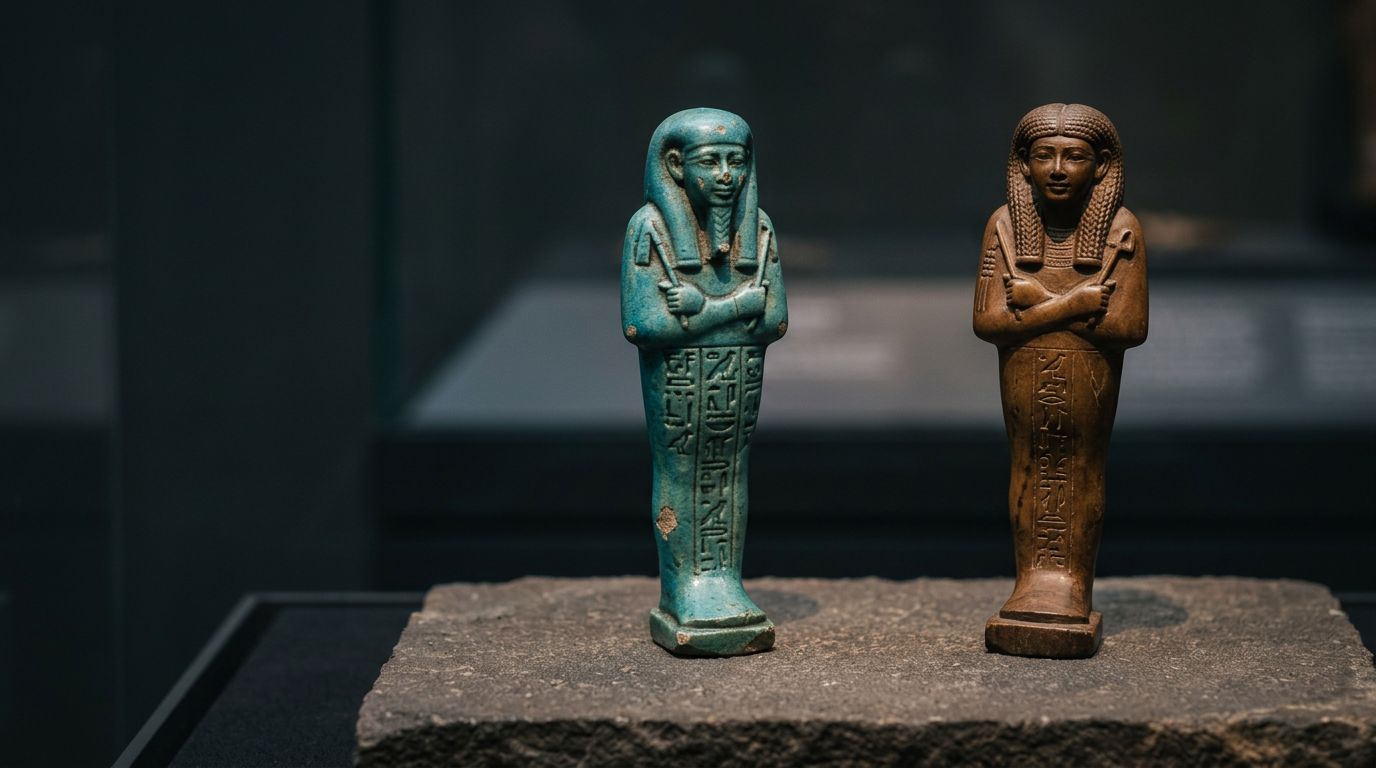
How Does One Tell Shabtis From Ushabtis?
The easiest answer is that shabtis and ushabtis are related names for an ancient Egyptian funerary figurine. At first glance, a small blue-green figure may look like a decorative doll, but it was meant to serve its owner after death. A search for shabti ushabti brings up several spellings, several dates, and a surprising amount…
-

How Does One Understand Roman Lemuria at Home?
A dead relative could be a comfort in Roman religion, but an uninvited dead person was another matter. The response involved household spirits and a firm instruction to leave, not a haunted-house spectacle. Roman Lemuria was a Roman festival observed in ancient Rome, associated with restless spirits and ghosts of the dead. It shouldn’t be…
-

How Does One Understand Indus Valley Weights?
At first glance, an Indus Valley weight looks almost comically plain. It is often a small, dark stone cube, with no royal portrait, grand inscription, or obvious drama. Yet the Indus Valley Civilisation used these humble weights to support fair exchange in Bronze Age markets. Their material culture offers a window onto busy markets, skilled…
-

How Does One Understand Babylonian Maqlu Rituals?
Imagine feeling ill, frightened, and convinced that someone had sent evil magic your way. For people in ancient Mesopotamia, Babylonian Maqlu rituals offered a formal response to that fear, with prayers, fire, water, ritual objects, and a night-long appeal to the gods. Maqlû means “burning” in the Akkadian language, but the ceremony was never a…
-

How Does One Understand Bit Rimki, Babylon’s House of Purification?
An eclipse could make an Assyrian king feel less like the ruler of the world and more like its next target. In a culture where celestial signs carried political weight, bad omens weren’t brushed off with a stiff drink and an early night. The rite was one answer to that fear. It was a demanding…
-

How Does One Understand Carthaginian Tophets?
Few ancient places make people argue as quickly as the Sanctuary of Tophet at Salammbô, in Ancient Carthage. Carthaginian tophets contain cremated remains of young children, animals, urns, and stone memorials, yet their purpose remains disputed. Were these sanctuaries for child sacrifice, sites for infant burials after natural deaths, or places where grief and religious…
-

How Does One Understand Egyptian Birth Bricks and Birth?
A birth room rarely leaves much behind. Linen rots, voices vanish, and a family’s private fears are not usually placed in a museum case. These humble earthen supports bring us close to childbirth in ancient Egypt. They show how physical comfort, religious protection, and hopes for a child’s destiny sat side by side. The evidence…
-

How Does One Explain Nabataean Water Channels?
In a desert environment, cities don’t fail only because they lack water. They fail when rain arrives in a furious rush, vanishes into sand, or tears through a canyon before anyone can catch it. At Petra, the city’s hydraulic network turned that problem on its head. Its systematic water collection captured seasonal runoff, redirected dangerous…
-
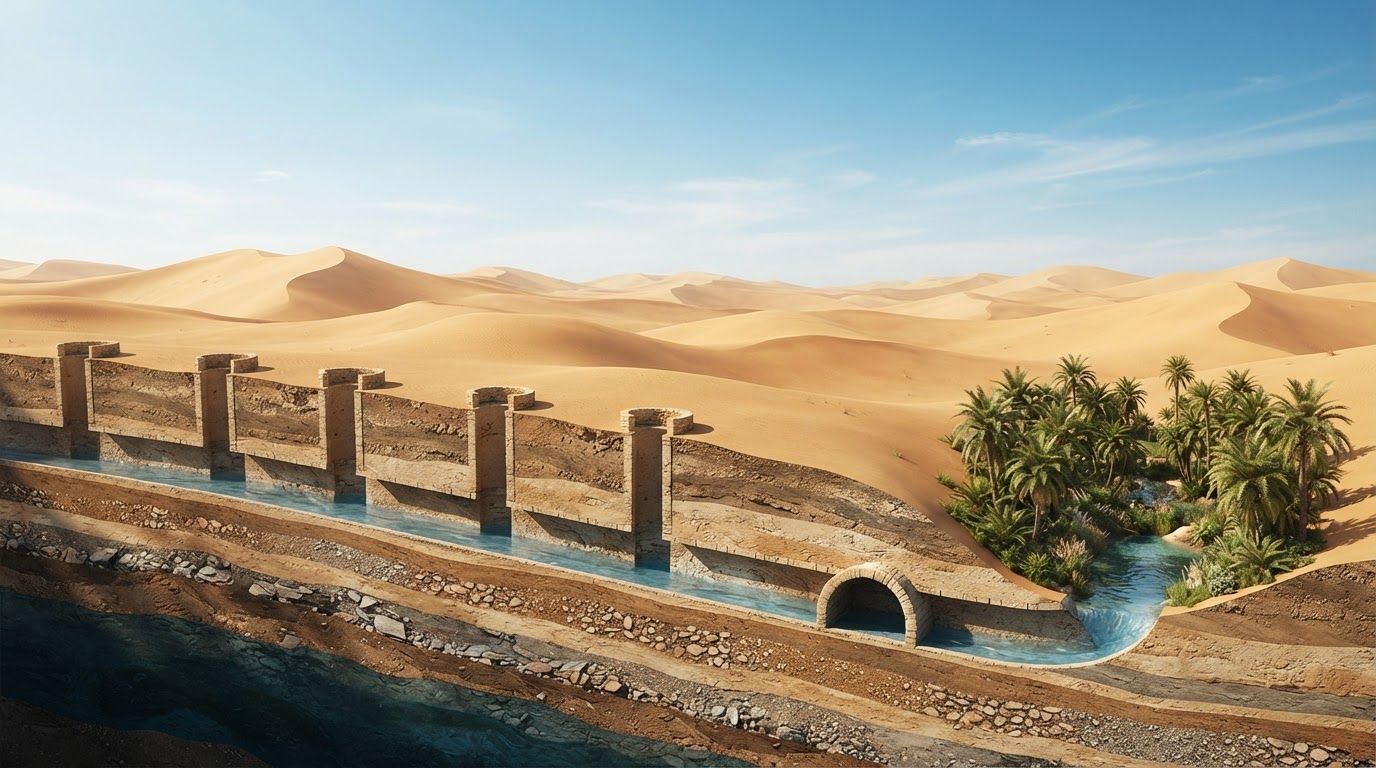
How Does One Compare Qanats and Foggaras?
Water has a way of disappearing when people need it most. In an arid climate, evaporation drains an open canal fast, while a hidden water source may sit out of reach beneath dry ground. The paired terms qanats foggaras describe an old form of subterranean water engineering. A qanat and a foggara carry groundwater from…
-

How Does One Explain Assyrian Substitute Kings?
A lunar eclipse could make a king in ancient Mesopotamia vanish from public view without anyone overthrowing him. In the Neo-Assyrian Empire, Assyrian substitute kings were part of a grave response to a perceived threat of divine judgment. To modern eyes, the plan sounds almost impossible to believe. A king gave another man his clothes,…
-
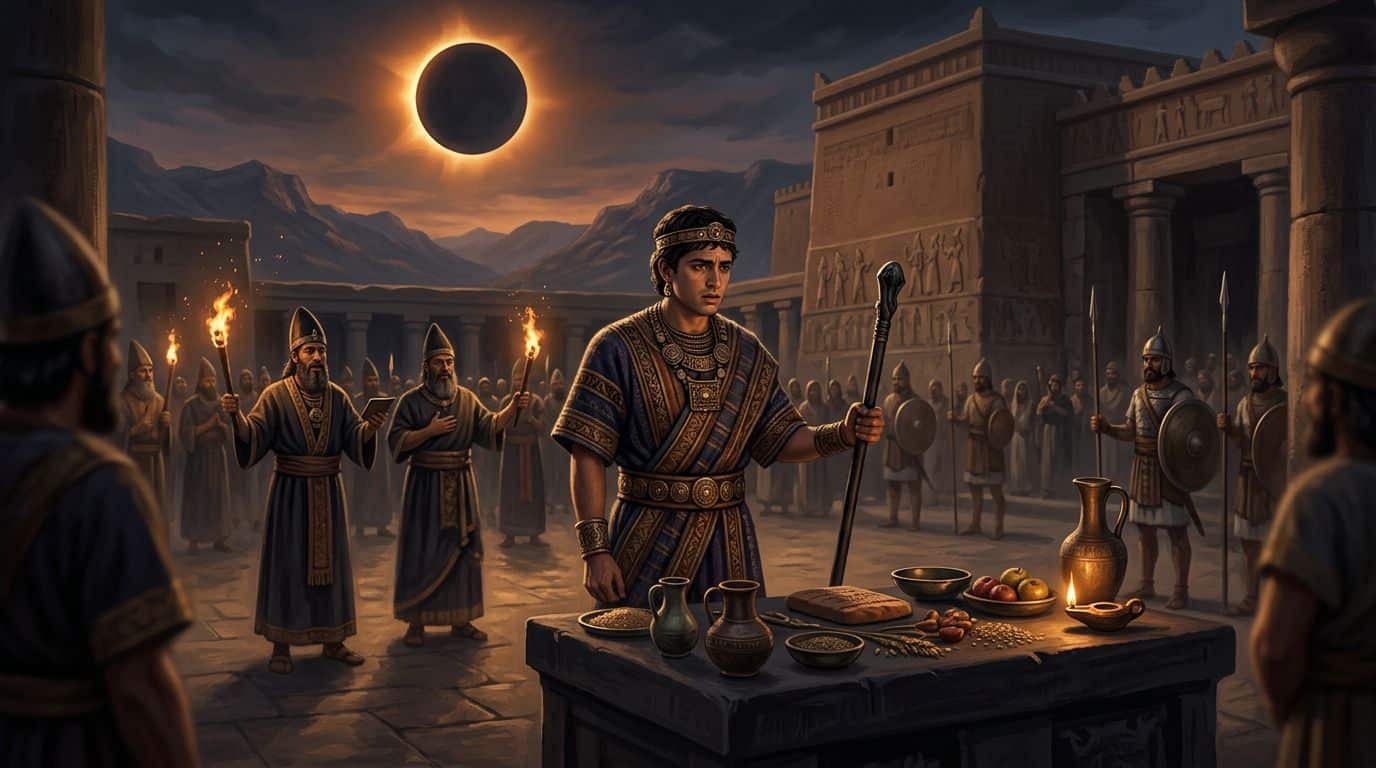
How Does One Understand the Hittite Substitute King Ritual?
An eclipse can feel eerie even when you know exactly what causes it. For a Late Bronze Age king, it could look like a notice of death delivered across the sky. The Hittite rite was an attempt to answer that terrifying message. When an omen threatened the ruler, the court could temporarily assign royal identity…
-

How Does One Read the Piacenza Liver?
Imagine asking whether to go to war, sign a treaty, or begin a public project, then seeking an answer in an animal’s liver. For the Etruscans, this wasn’t a bizarre party trick. It was a serious ritual moment within Etruscan religion. Etruscan liver divination gave trained priests a way to read the gods’ approval, anger,…
-

How Does One Read Roman Curse Tablets?
A Roman bather could lose a hooded cloak, curse an unknown thief, and drop the complaint into a sacred spring. Roman curse tablets preserve that sharp little moment on a thin lead sheet, where anger, fear, love, and hope for justice all had room to speak. These objects can look like props from a ghost…
-
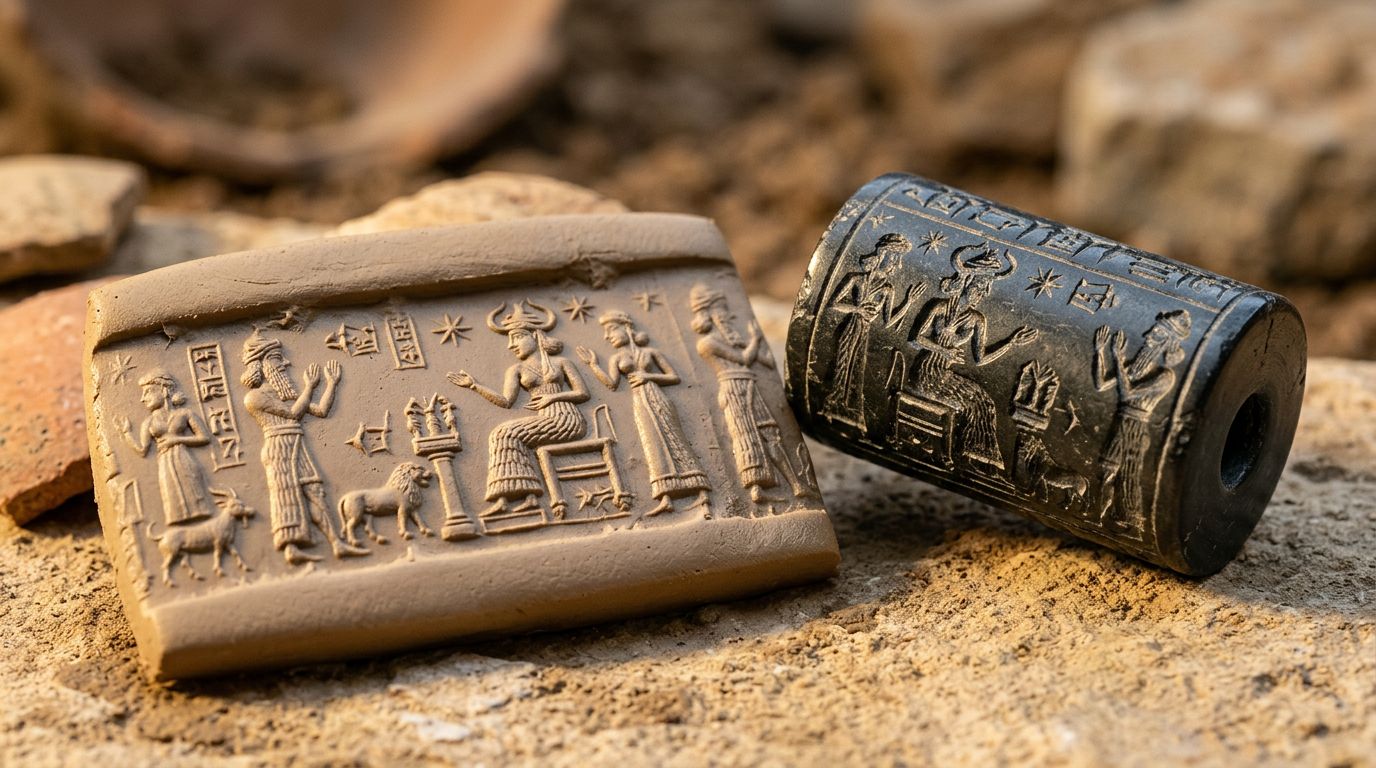
How Does One Understand Sumerian Cylinder Seals?
A cylinder seal can fit in your palm, yet in ancient Mesopotamia it could authenticate goods, secure storage, or connect a person or institution to an action. Sumerian cylinder seals were small carved cylinders rolled across wet clay, leaving a long, repeating image behind. They look decorative at first. Then you notice the gods, animals,…
-

How Does One Read Ancient Egyptian Letters to the Dead?
In ancient Egypt, an inheritance argument could outlive the people who started it. Surviving ancient Egyptian letters to the dead describe requests about illness, family disputes, and wrongs left unresolved. These were not sentimental notes slipped into a tomb for comfort. They were petitions, sometimes tender and sometimes rather firm, written for dead people who…
-
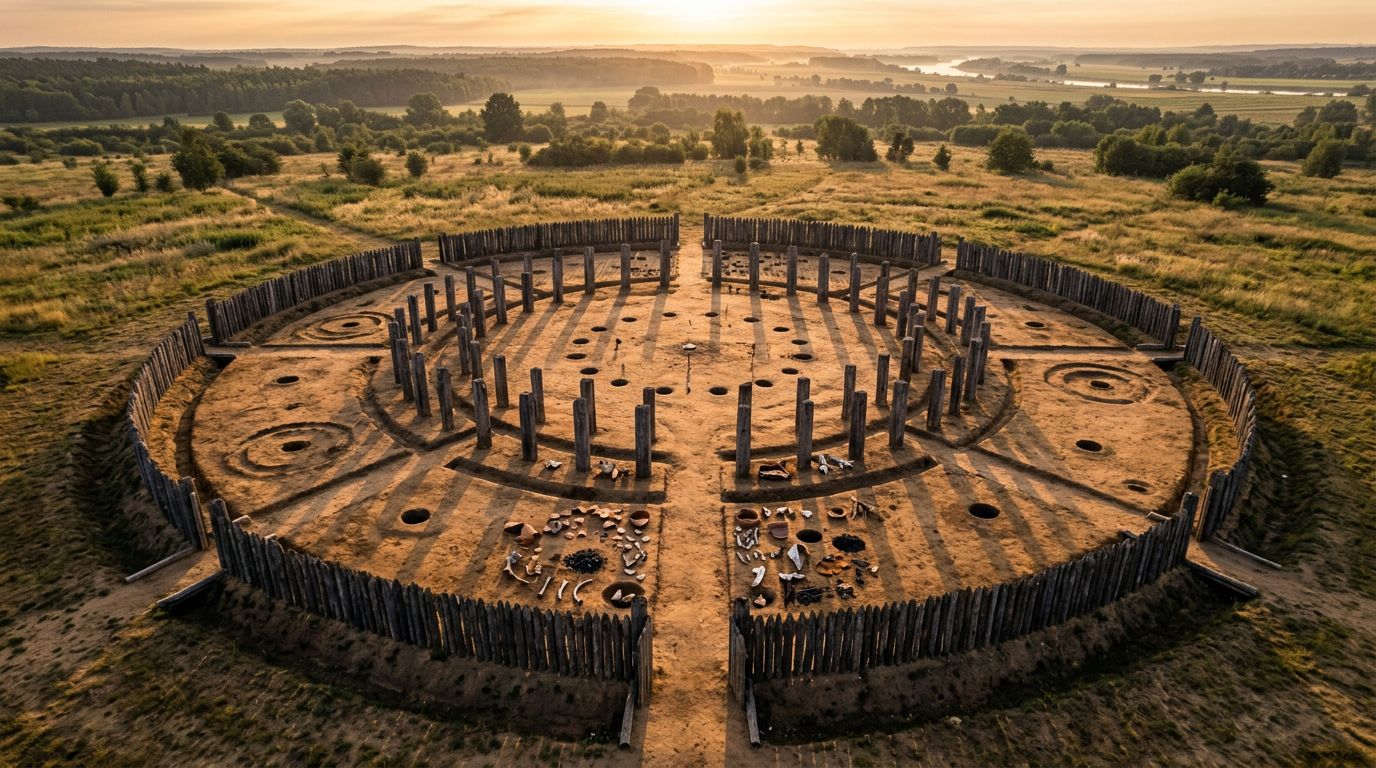
How Does One Read the Rituals at Pömmelte?
A timber circle can rot away almost completely, yet still leave a troublingly clear record behind. At Pömmelte, near Schönebeck in Saxony-Anhalt, the ground preserved outlines of posts, pits, bones, pottery, and evidence of repeated communal activity more than 4,000 years ago. The Pömmelte rituals were not a single ceremony with a neat explanation. They…
-
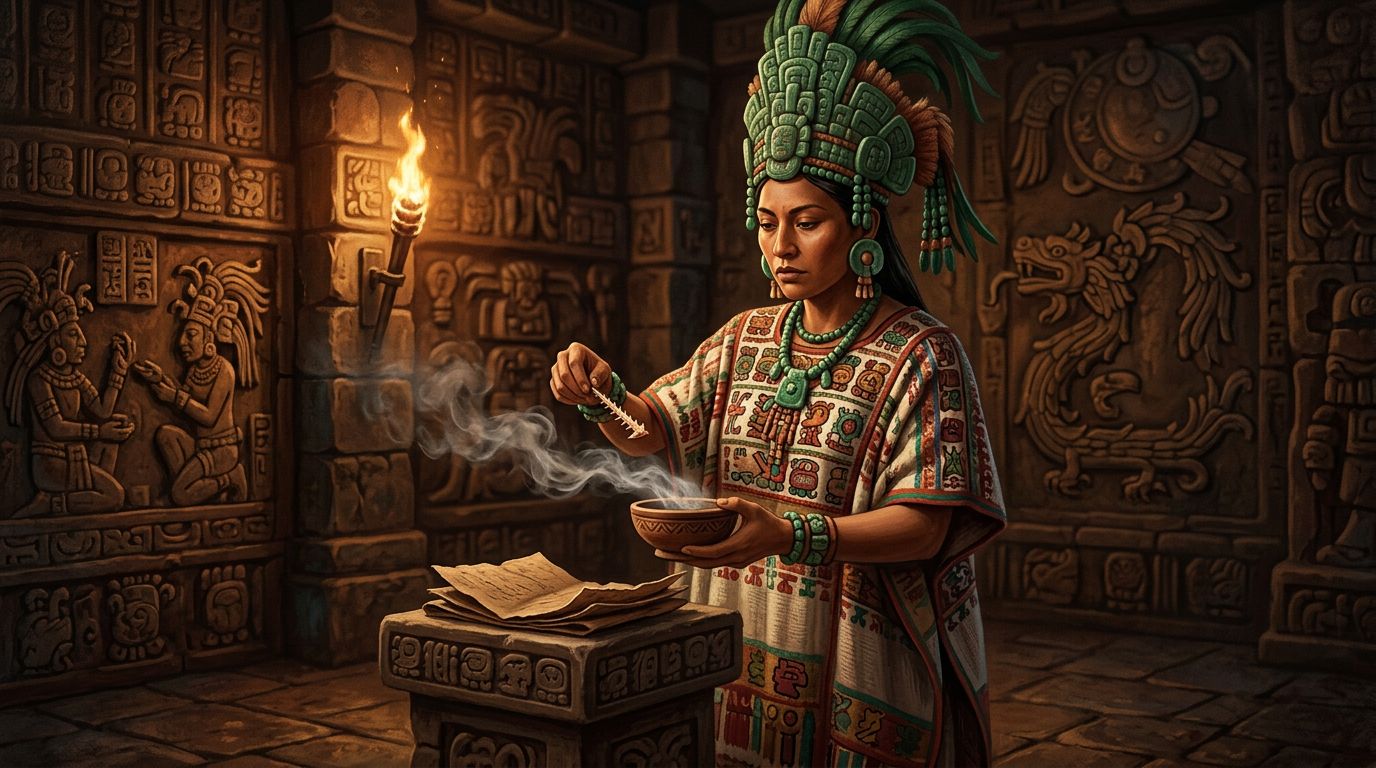
How Does One Understand Mayan Bloodletting Rituals?
These rites can sound like something taken from the most alarming corner of a history textbook. They were painful, yes, but reducing them to spectacle misses what ancient Maya communities believed they were doing. For royal families in Mayan civilization, drawn blood could be understood as a sacred life force, an offering, and a political…
-

How Does One Understand Dani Finger Cutting?
A photograph of a hand can make people stop scrolling. Online searches often use the label “Dani tribe,” but “Dani communities” is more precise. A person’s name, place, and grief still matter. The practice, commonly called Ikipalin, is a mourning tradition associated with Dani communities in the Baliem Valley of Indonesia. It deserves more care…
-

How Does One Understand Scythian Cannabis Tent Inhaling?
A felt tent, a pile of red-hot stones, and a handful of cannabis. It sounds like a scene invented for a historical drama, yet an ancient Greek writer described it more than 2,400 years ago. Scythian cannabis use wasn’t a modern-style smoking session with a pipe passed around the fire. The evidence points to a…
-

How Does One Explain Ritual Trepanation?
A human skull with a carefully made hole is hard to look at without asking one question: why would anyone do this? This practice sits where ancient medicine, fear, faith, and practical survival meet. Some openings followed terrible head injuries. Others appear on skulls with no obvious fracture at all, so archaeologists also study the…
-

How Does One Read Nazca Trophy Head Cords?
A small hole in the forehead changes the whole story. Nazca trophy head cords were not a stray bit of decoration added to ancient remains. They made a prepared head portable, visible, and available for ceremony. A viewer might encounter a specimen in a Field Museum display, for example, and file it under “ancient battlefield…
-

How Does One Understand Mithraic Secret Grades?
A sealed room beneath a Roman street held two long benches, a small altar, and a tauroctony showing a god driving a blade into a bull. This mithraeum was one of the cult’s subterranean temples, but it doesn’t tell us what a new member felt when the doors closed. The Mithraic secret grades are hard…
-

How does one evaluate the effectiveness of design in communicating a message?
Design is an important tool for communicating messages, whether it be through logos, advertisements, or visual storytelling. However, not all designs are equally effective in communicating their intended message. Evaluating the effectiveness of design in communicating a message requires a critical eye, an understanding of design principles, and an awareness of the audience and context…
-

How Does One Start Travel Journaling Without a Diary?
A trip can vanish with annoying speed. You remember that a little cafe in Lisbon felt perfect, but not the song playing, the strange pastry, or why you laughed so hard, and capturing these travel memories inside a travel journal helps prevent them from fading. Travel journaling isn’t a school assignment, and it doesn’t require…
-

How Does One Spot a Scholarship Scam Early?
A scholarship scam can feel like rain in a drought. That is exactly why scammers like to dress up as helpers. If an email promises free college money, asks for a fee, or pushes you to move fast, slow down. A fake award does not always look fake at first glance, and that is the…
-

How does one turn off all lights and appliances and still convince guests you’re “eco-conscious”?
Hosting an eco-conscious event involves balancing energy savings and guest comfort. Utilize smart home tech to automate lighting and maintain a cozy ambiance with natural light and solar-powered outdoor lights. Share your passion for sustainability through conversation and visual cues, inspiring others to adopt eco-friendly practices.
-

How Does One Read a Car Insurance Policy Without Guessing?
Most people meet their car insurance policy at the worst possible moment, after a crash, a theft, or a tense call from another driver. Then every sentence looks slippery, and every missing detail feels expensive. It doesn’t have to be a guessing game. A car insurance policy has a clear order, and this clarity begins…
-

How Does One Read an Explanation of Benefits Without Getting Lost?
An explanation of benefits (EOB) can make an ordinary Tuesday feel like you accidentally signed up for advanced insurance algebra. You open it, see a pile of numbers, and suddenly even your own doctor visit looks unfamiliar. If you’ve tried to read explanation of benefits and felt confused, that reaction is normal. The form is…
-

How Does One Understand Weather and Forecasts?
You can leave home in sunglasses and come back in soaked shoes. That’s weather for you, and it only feels rude until you know what it’s doing. Most of us check a forecast, squint at a cloud, and hope for the best. But the sky isn’t making random choices. It follows patterns, and once you…
-

How Does One Start Ballet Without Feeling Lost
Ballet can look impossible from the seats. All those lifted chins and floating arms hide a simple truth: every dancer begins by trying not to wobble. If you’re curious about ballet, or your child is about to take a first class, the form can seem strict, pricey, and a bit mysterious. It helps to know…
-

How Does One Understand the Sun and Why It Matters
The sun looks simple from the ground, a bright circle that rises, warms the pavement, and disappears. Yet that ordinary sight comes from a star so active that it can light every leaf, drive Earth’s weather, and still throw magnetic tantrums into space. You don’t need a physics degree to follow the basics. Once you…
-

How Does One Understand Mai and Use It Correctly
Four letters can waste ten minutes if you read them the wrong way. You might see mai in a text, a name, a search result, or a sentence from another language, and each case can mean something else. That small shift matters because spelling alone won’t save you. Once you learn which clues to check…
-

How Does One Spot a Phishing Text Before Tapping Anything
A phishing text rarely looks dramatic at first glance. It looks ordinary, familiar, and slightly annoying, like a package delay, a bank alert, or a note about a bill you forgot. That ordinary look is the trick. Scammers count on speed, not depth, because most people read texts in the middle of life, not at…
-

How Does One Understand Oil, From Wells to Daily Life
Oil is one of those words that sounds plain until you stop and ask what it means. You might picture a frying pan, a car engine, or a tanker crossing the sea, and all three images fit. That broad meaning is why oil can feel confusing. Yet while the term covers many things, most global…
-

How Does One Understand Energy Today?
You use energy before you’re fully awake. The alarm rings, the shower warms, the kettle hums, and the phone reaches for a charger. We quantify these everyday energy tasks, like warming the kettle, in joules, the standard unit of measurement within the International system of units. Most of that feels simple. However, the energy system…
-
How Does One Understand War, From Causes to Consequences
War can redraw a map in weeks and scar a family for generations. That gap between maps and lived pain is why war is hard to grasp at a glance. You may see headlines, dates, and front lines, yet still feel the subject slipping away. War, or armed conflict, is military force, but it is…
-

How Does One Understand the Types of Animals and Where They Live?
Animals, complex multicellular organisms in the kingdom Animalia, are everywhere, even when you don’t notice them. Some sing outside your window. Others work quietly under soil, in rivers, or far out at sea. Once you start paying attention, the world feels less like a backdrop and more like a busy neighborhood teeming with species. The…
-

How does one set up a 3-step “do it, file it, trash it” paper spot for school forms, manuals, and random handouts
Paper has a special talent. It shows up in backpacks, multiplies on counters, then slides into that mysterious pile that makes you feel behind before you’ve even had coffee. A 3-step “do it, file it, trash it” paper spot is the opposite of that pile. It’s a small, boring corner that does a heroic job,…
-

How does one craft a 60-second email reply that gets you a clear answer
You send a simple email. You ask for a simple thing. Then you get the classic reply: “Sounds good!” (to what, exactly?) or worse, silence that stretches into next week.
-

How Does One Use AI To Beat The Blank Page For Blog Posts
The worst part of writing is often the first sixty seconds. Your cursor blinks, the title area is empty, and your brain feels like a fridge at midnight, full of random leftovers but nothing that looks like dinner.
-
hanuka
If you did not grow up with Hanukkah, it can look like a quiet mystery in the window. Candles, songs in another language, spinning tops that seem to have rules no one explains. It feels warm and a little secret at the same time. This guide opens that window. It explains what hanukkah is, why…
-

How does one apply morphological rules to form new words in a language?
Morphology is the study of how words are formed and how their forms change to convey different meanings. In linguistics, a morpheme is the smallest unit of meaning in a language, and words are made up of one or more morphemes. Morphological rules are a set of principles that govern how morphemes are combined to…
-

How does one consider the representation of gender in Romantic art and literature?
The Romantic era, spanning from the late 18th to the mid-19th century, was a time of significant changes in gender roles and expectations, as well as the representation of gender in art and literature. While the Romantic movement is often associated with an emphasis on individualism, emotion, and imagination, it also reflected the societal attitudes…
-

How does one teach a watermelon the importance of modesty?
Teaching a watermelon about modesty might sound absurd at first, but it’s a metaphor for something profound: personal growth and humility. Imagine nurturing a watermelon, focusing on its inner qualities like kindness and understanding. This approach mirrors how we should cultivate modesty within ourselves. Modesty isn’t just about appearance; it’s about fostering virtues such as…
-

How does one flirt with someone who’s deeply engrossed in a book, without disrupting their literary journey?
Flirting with a book lover requires subtlety and respect. Use gentle eye contact, open body language, and shared interests to engage respectfully.
-

How does one become an emergency medical technician (EMT)?
Becoming an Emergency Medical Technician (EMT) is an important and rewarding career path within the field of allied health services. EMTs play a crucial role in providing immediate medical care to individuals in emergency situations. Whether it’s responding to a car accident, attending to a heart attack victim, or providing assistance during a natural disaster,…
-

How does one interpret the symbolism in Middle Eastern art?
Middle Eastern art is renowned for its rich cultural heritage and profound symbolism. From ancient civilizations to modern-day artists, the region has produced a plethora of artworks that communicate deep meanings and narratives through symbolic representations. Understanding and interpreting the symbolism in Middle Eastern art can offer valuable insights into the history, culture, and spiritual…
-

How does one define genocide in the context of political science?
In the field of political science, the term “genocide” holds significant importance as it refers to the deliberate and systematic destruction of a particular ethnic, racial, religious, or national group. Scholars and policymakers have long debated the definition of genocide, seeking to establish a comprehensive understanding that encompasses its various dimensions and implications. This article…
-

How does one analyze the use of color in Middle Eastern artwork?
Color plays a vital role in Middle Eastern art, conveying a wide range of emotions, cultural significance, and aesthetic choices. From vibrant and bold hues to subtle and muted tones, the use of color in Middle Eastern artwork captivates the viewer’s attention and adds depth to the visual experience. In this article, we will delve…
-

How does one assess the role of political leaders in the commission of war crimes?
The role of political leaders in the commission of war crimes is a critical area of study within the field of political science. Understanding the extent of their involvement, decision-making processes, and accountability is crucial for analyzing the causes and consequences of such atrocities. This article explores how one can assess the role of political…
-

How does one determine the morphological structure of a complex word in a language?
Morphology is the study of words, their internal structure, and how they are formed. One aspect of morphology involves understanding complex words, which are made up of multiple morphemes, the smallest units of meaning in language. Determining the morphological structure of a complex word involves breaking it down into its constituent morphemes and identifying their…
-

How does one appreciate the calligraphy in Middle Eastern art?
Calligraphy holds a special place in Middle Eastern art, capturing the essence of language, spirituality, and artistic expression. The intricate and flowing lines of Arabic script have fascinated viewers for centuries, and appreciating the art of calligraphy is an enriching experience. In this article, we will explore the methods and approaches one can employ to…
-
How does one analyze the world-building in a science fiction or fantasy novel?
World-building is a crucial aspect of science fiction and fantasy literature, and it is the foundation on which the story is built. It is the process of creating a fictional universe that is unique and compelling, and it allows the reader to immerse themselves in the story’s world. The creation of a fully realized world…
-

How does one examine the impact of genocide on international relations?
The occurrence of genocide, characterized by the deliberate and systematic destruction of a specific group, reverberates beyond its immediate victims and perpetrators. The impact of genocide extends to the realm of international relations, influencing diplomatic relations, global perceptions, and the international community’s response. This article delves into how one can examine the impact of genocide…
-

How does one define Romanticism in art and literature?
Romanticism is an artistic and literary movement that originated in Europe during the late 18th century and reached its peak during the 19th century. It was a response to the Enlightenment period, which emphasized reason and logic over emotion and intuition. Romanticism celebrated the individual, nature, and the sublime, and its artists and writers sought…
-

How does one solve a system of linear equations with three variables?
Linear algebra is an important branch of mathematics that deals with systems of linear equations. A system of linear equations is a set of equations with multiple variables, where each equation is linear. The process of solving a system of linear equations involves finding values of the variables that satisfy all the equations in the…
-

How does one analyze the difference between inflectional and derivational morphemes?
Morphology is the study of how words are formed and how they relate to one another in a language. It is a crucial component of linguistics and helps us understand the structure and meaning of words. One important aspect of morphology is the distinction between inflectional and derivational morphemes. In this article, we will explore…
-

How does one explore the themes of identity in Middle Eastern art?
Middle Eastern art is a rich tapestry that reflects the diverse and complex themes of identity. From personal narratives to cultural heritage, artists in the region have explored and expressed various aspects of identity through their artworks. In this article, we will delve into the methods and approaches one can employ to explore the themes…