
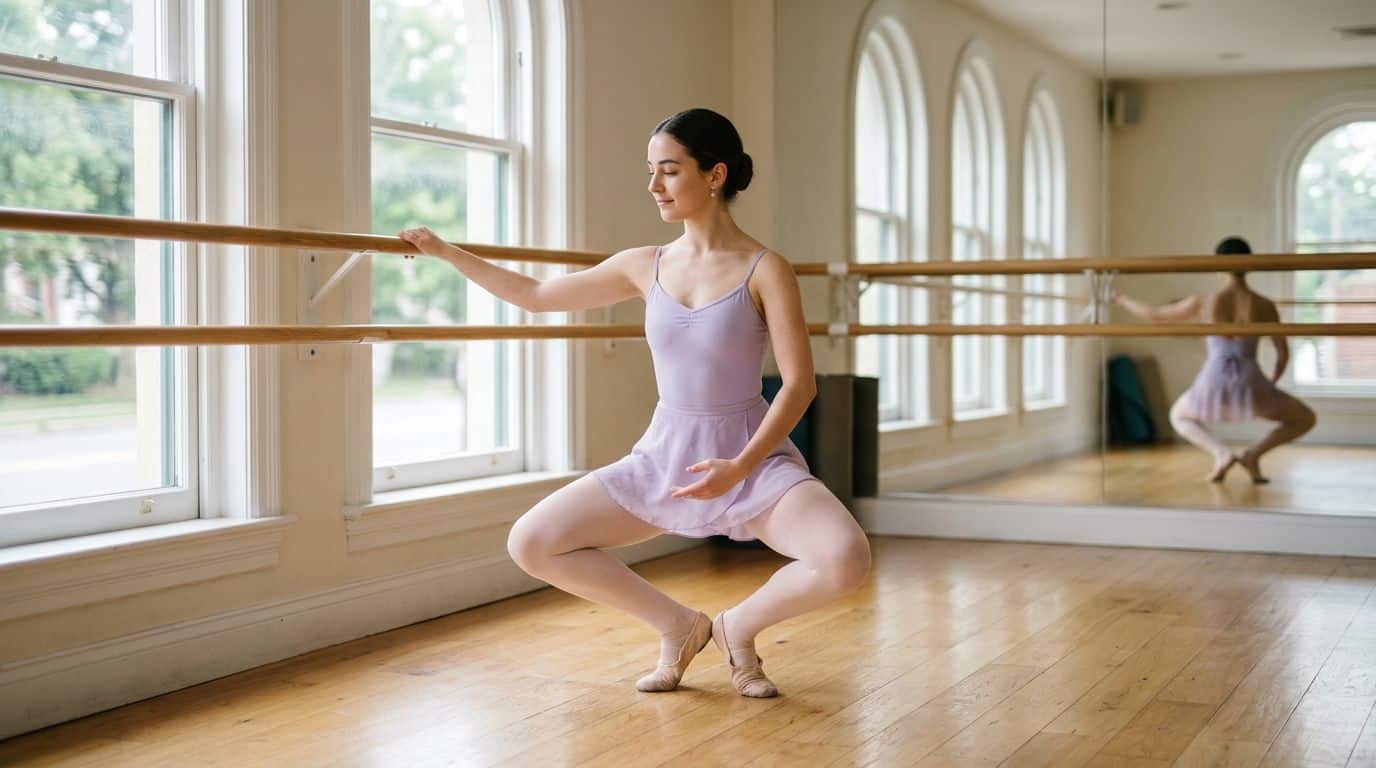
Ballet can look impossible from the seats. All those lifted chins and floating arms hide a simple truth: every dancer begins by trying not to wobble.
If you’re curious about ballet, or your child is about to take a first class, the form can seem strict, pricey, and a bit mysterious. It helps to know what matters first, what can wait, and why the basics matter so much.
Why ballet feels formal, and why that helps beginners
Ballet has rules, and that can feel both comforting and scary. You stand a certain way, place your arms with care, and learn names that often come from French. Still, that structure helps beginners more than it hurts them, because it gives you a clear map.
The form grew over centuries, first in European courts and later on theater stages. A quick look at the history of ballet shows how those court roots shaped its posture, music, and sense of order. That history still shows up in class today. Even a simple plié carries old ideas about line, control, and balance.
What matters at the start is not perfection. It is attention. Ballet teaches you to notice where your shoulders sit, where your weight falls, and whether your knees track over your toes. In other words, it asks you to listen to your own body with unusual care.
Your first goal in ballet is accuracy, not elegance.
That idea saves beginners from a lot of grief. Many people see advanced dancers turn, leap, or rise onto pointe shoes and assume that grace comes first. It doesn’t. Grace comes after repetition, good teaching, and small corrections that pile up over time.
The famous five foot positions also sound more dramatic than they feel on day one. They are a starting language, not a test of worth. The same goes for turnout. Beginners often hear that word and try to crank their feet outward like jar lids. A good teacher will stop that right away, because turnout begins higher in the hips, not by twisting the knees or ankles. Ballet is demanding, but it should not ask you to ignore pain.
What your first ballet class usually feels like
Most first classes move in a calm, repeatable order. You warm up, head to the barre, and practice small movements before stepping into the center of the room. That rhythm helps, because it turns nerves into routine. Even so, many beginners spend part of class sorting out left from right. That little private comedy is normal.
If you want a plain-language preview, these ballet basics before class explain the first-day experience well. The biggest surprise for many newcomers is how much ballet relies on tiny details. A teacher may spend a full minute adjusting a hand, a chin, or the timing of one step. That is not nitpicking. That is how the form works.

Clothing causes more stress than it should. Beginners do not need a stage costume or expensive extras. They need clothes that let a teacher see alignment and let the dancer move well. This beginner attire guide covers the basics, but the short version is simple: fitted clothes, hair secured, and soft ballet slippers if the studio asks for them. Pointe shoes are for trained dancers, not first-timers.
Parents of young dancers often worry about whether a child is “serious enough” to begin. That usually is the wrong concern. A better question is whether the class feels supportive and organized. Children need clear instruction, steady pacing, and a room where correction feels normal, not harsh. Adults need the same thing, although grown-ups often bring more self-consciousness with them.
A good first class leaves you a bit tired, a bit humbled, and strangely alert. You notice muscles in your feet, back, and ribs that rarely get a formal introduction.
How beginners get better at ballet between classes
Progress in ballet rarely looks dramatic from week to week. Then, one day, your balance holds longer, your arms stop drifting, and the music makes more sense. Because the gains are small, short practice sessions work better than heroic ones.
Home work should stay plain and safe. A chair can replace a barre for basic placement. Gentle stretching helps, but strength matters just as much. Ankles, calves, hips, and core muscles all support clean movement. For a simple starting point, these foundational ballet moves show the sort of basics beginners can review without turning the living room into a high-risk theater.

It also helps to rethink what “talent” means here. Natural flexibility can look impressive, yet ballet rewards consistency more than flashy gifts. A student who listens, repeats combinations, and keeps good habits often moves ahead faster than the person who starts with pretty feet and no patience.
That patience has a social side too. In many classes, beginners compare themselves with the strongest dancer in the room and feel late before they have even begun. Ballet can feed that mood if you let it. However, the healthier measure is control. Can you place your body more clearly than last month? Can you hear the count sooner? Can you recover after a mistake instead of freezing?
Those quieter gains matter, because ballet is built on accumulation. A plié improves your jumps later. Port de bras shapes how the whole body looks. A steadier core makes turns safer. Small work never stays small for long.
Ballet asks for discipline, but it gives something back that many beginners do not expect. It trains focus. It sharpens musical awareness. It teaches humility without making effort feel pointless.
If the form has seemed distant or severe, that first impression softens once you see how it is learned. Ballet starts with careful basics, steady correction, and a willingness to look awkward for a while. That is not a flaw in the process. It is the process.


