Newest
-

How Does One Explain the Moon Illusion?
The Moon appears larger near the horizon above a rooftop, even though it hasn’t grown. The moon illusion happens because your visual system interprets its appearance differently at moonrise, although scientists still debate the exact mechanism. So how does one explain this visual illusion? The strongest explanations involve the brain’s judgments about size and distance,…
-

How Does One Explain Recurring Hiccups?
Recurring hiccups usually mean something is repeatedly triggering your hiccup reflex, often a rushed meal, swallowed air, or acid reflux. The important clue is the pattern, including whether each episode stops completely. A few minutes after dinner is different from hiccuping through two sleepless nights. Understanding that difference helps you decide when a small annoyance…
-
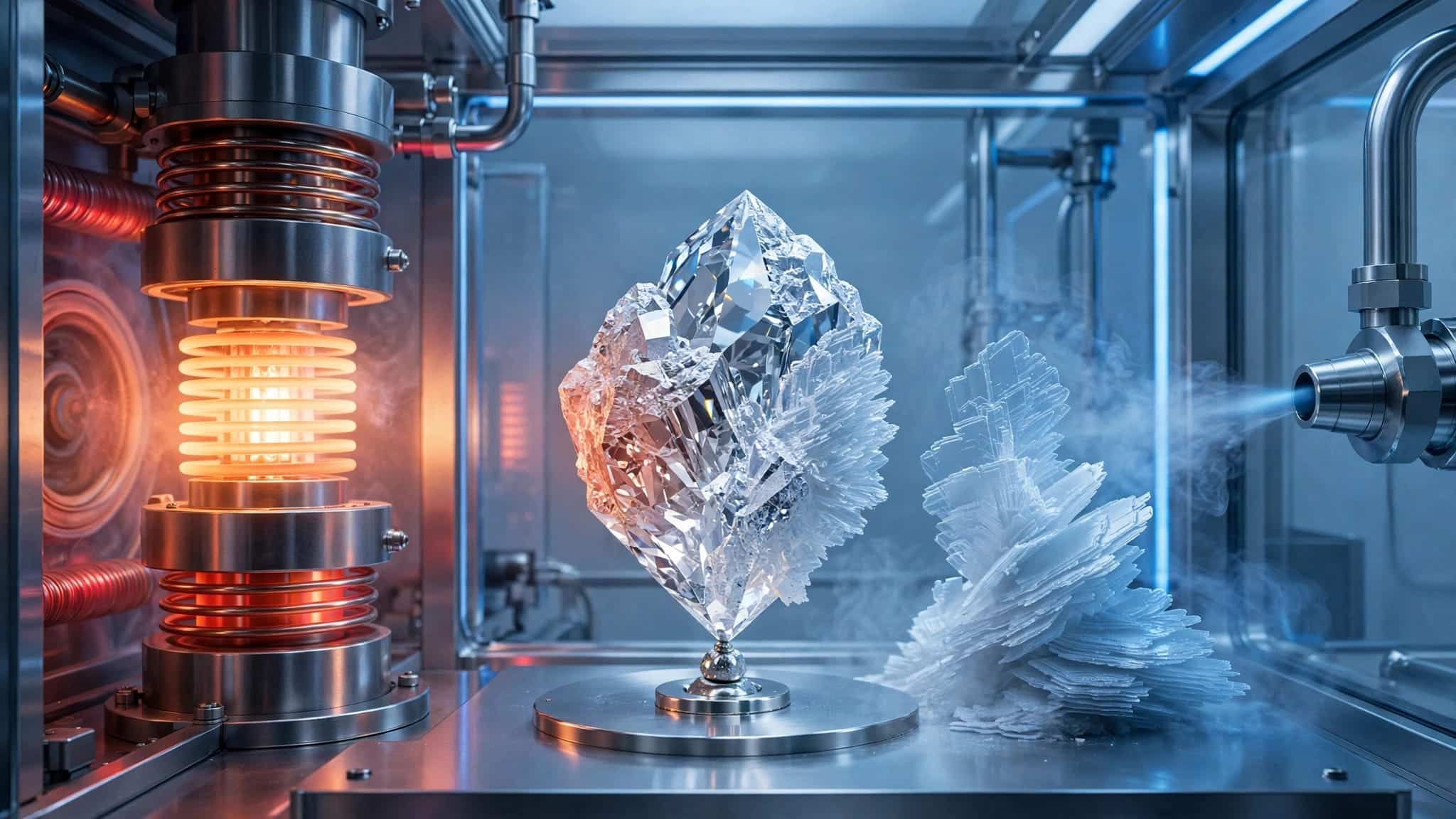
How Does One Grow Lab-Grown Diamonds? The Two Methods
A laboratory can grow a real diamond because carbon follows the same rules of chemistry wherever it happens to be. Manufacturers produce lab-grown diamonds using either intense heat and pressure or carbon-rich gas that builds a crystal layer by layer. Both methods begin with a tiny diamond seed, but they give carbon very different routes…