

Pet hair has a talent for showing up at the worst time. You pull on black jeans, step into good lighting, and suddenly you look like you hugged a shedding couch.
The good news is you can remove pet hair laundry buildup with things you already have at home. No lint rollers, no fancy brushes, no “pet hair” gadgets. Just a few small habits before the wash, and a smarter routine during drying.
If you’ve got a dog, a cat, or both, this isn’t about perfection. It’s about getting your clothes, towels, and bedding back to “presentable” without turning laundry day into a second job.
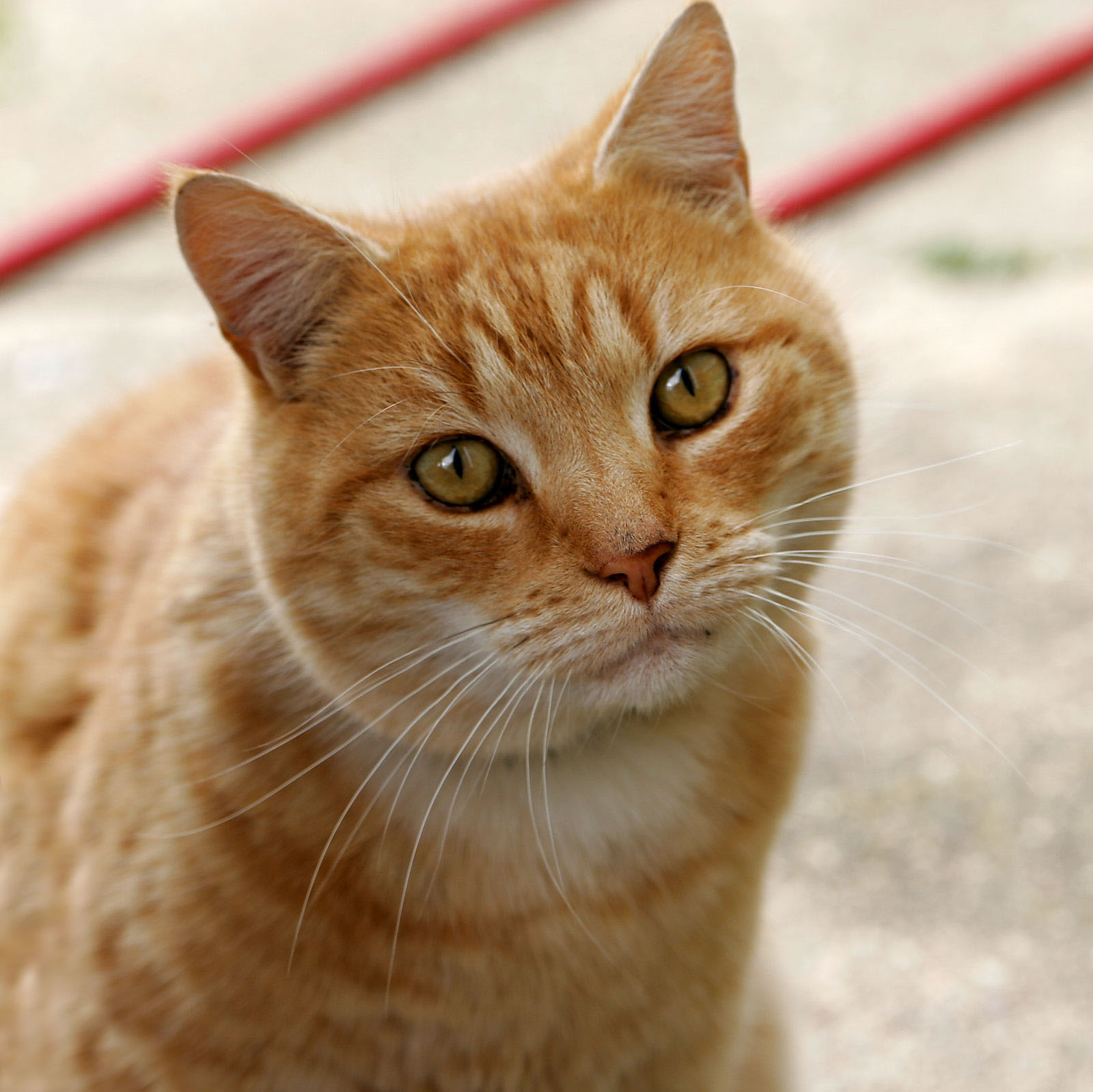
If your home has pets, your laundry probably has opinions about it.
Why pet hair clings to clothes (and why washing alone struggles)
Pet hair doesn’t just sit on fabric, it grabs on. That’s because many hairs are barbed or rough, and fabric has tiny loops and textures that act like hooks. Add static, and you get that “magnet” effect.
Dry fabrics usually hold more static. That’s why winter laundry can feel cursed. Synthetic fibers, like polyester and fleece, tend to cling the most. Cotton does better, but heavy towels and flannel can still trap hair in the weave.
The washer can loosen some hair, but it has a limitation. Hair doesn’t dissolve, and it doesn’t get heavy like dirt. Instead, it floats, swirls, and often sticks right back onto the same items. An overloaded washer makes this worse because the clothes can’t move freely.
Dryers help because tumbling pulls hair away from fabric, then the lint screen catches it. Still, if you start with hair-packed items, the dryer can only catch so much at once. You end up with hair on the lint screen, hair in seams, and hair that clings like it pays rent.
The fastest wins usually happen before the wash. If you knock hair off dry fabric first, everything else gets easier.
A simple pre-wash routine to remove pet hair from laundry (no tools needed)
Start with the easiest truth: the best time to remove hair is when the item is dry. Wet hair can mat down and hold tight, especially on knits and fleece.
Pick one spot to do a quick “de-hair” pass. A porch, a bathtub, or even right next to the hamper works. You’re not trying to clean the whole room, you’re trying to keep hair out of the washer and off your other clothes.
Here’s a low-effort routine that uses only common household items:
- Shake it out with purpose: Hold the item by two corners and snap it a few times. Do this for blankets, pet bedding, hoodies, and towels. Most loose hair will fall fast.
- Use slightly damp hands: Wet your hands, then shake them off so they’re not dripping. Run your palms down the fabric. Hair will roll into little clumps you can toss.
- Try a damp washcloth: A plain washcloth works like a gentle “hair rake.” Wipe in one direction, rinse the cloth, then repeat. This helps on leggings and long-sleeve shirts.
- Rub with a clean rubber glove: Dish gloves count as normal household gear. Lightly dampen the glove and swipe. The hair bunches up fast, especially on upholstery-style fabrics.
- Keep hair-heavy items separate: Put pet blankets and bedding into their own load when you can. If that’s not possible, at least don’t mix them with “nice” clothes.
This takes a few minutes, not an hour. Even a quick shake plus damp hands can cut the problem in half. And your washer will thank you, because less hair means fewer clogs and fewer mystery fuzz balls stuck to everything.
Washer and dryer tricks that work with everyday household items
Once you’ve done a little pre-work, your washer and dryer can do their jobs better. Small adjustments matter here, because pet hair is stubborn but predictable.
Wash smarter, not harder
First, don’t pack the drum. Clothes need room to tumble so hair can move into the water instead of staying pinned in fabric. Next, use a normal amount of detergent. Too much soap can leave residue, and residue grabs hair.
White vinegar can help in the rinse cycle because it reduces residue and relaxes fibers. Many people add about half a cup to the fabric softener spot (check your machine’s manual if you’re unsure). The goal isn’t a vinegar-scented wardrobe, it’s cleaner rinse water and less cling.
Also, think about what you wash together. Some fabrics are basically hair magnets, while others let hair slide off. This quick table helps when you’re sorting a load:
| Fabric or item | How it behaves with pet hair | Simple approach |
|---|---|---|
| Fleece, polyester, “athleisure” | Clings and holds static | Pre-wipe, then dry well and clean lint screen |
| Towels, flannel, heavier cotton | Traps hair in the weave | Shake first, don’t overload the washer |
| Denim | Usually releases hair fairly well | Wash normally, finish with a good tumble dry |
| Bedding and pet blankets | Large surfaces catch everything | Wash separately when possible |
The takeaway is simple: if you mix hair magnets with everything else, you spread the problem. Sorting isn’t about being fancy, it’s about containing the mess.
Use the dryer like a hair trap
If you have a dryer, it’s your best friend for this job, even without dryer balls or special sheets. The lint screen is the hero, but only if you help it.
Try this approach:
- Run hair-heavy items for 10 minutes on air-fluff or low heat before washing, if they’re already dry and safe to tumble. This can knock off a surprising amount of hair. Clean the lint screen right after.
- During normal drying, toss in a clean, slightly damp towel for the first 10 to 15 minutes. That little bit of moisture can reduce static, so hair lets go sooner.
- Clean the lint screen at least once mid-cycle for pet loads. If you wait until the end, the screen can clog early and stop catching hair.
If you don’t have a dryer, you can still make progress. Hang items to dry, then do a final “damp hands” wipe once the fabric is fully dry again. It’s not as satisfying as a lint screen full of proof, but it works.
One more thing that sounds small, yet matters a lot: wipe the dryer door rim and gasket area with a damp cloth after a pet-hair load. Hair likes to cling there, then jump onto the next load like it’s changing trains.
Conclusion
Pet hair in clean laundry feels personal, like the washer is mocking you. Still, you can remove pet hair laundry buildup without special tools by doing two things well: knock hair off while fabric is dry, then dry in a way that helps hair release and get trapped. Keep loads lighter, sort the worst offenders, and clean the lint screen like it’s part of the cycle, because it is. After a week or two, the difference shows up in your dark clothes, your towels, and your patience. What’s the one item in your home that collects the most hair, the couch blanket, the pet bed, or your favorite hoodie?


