
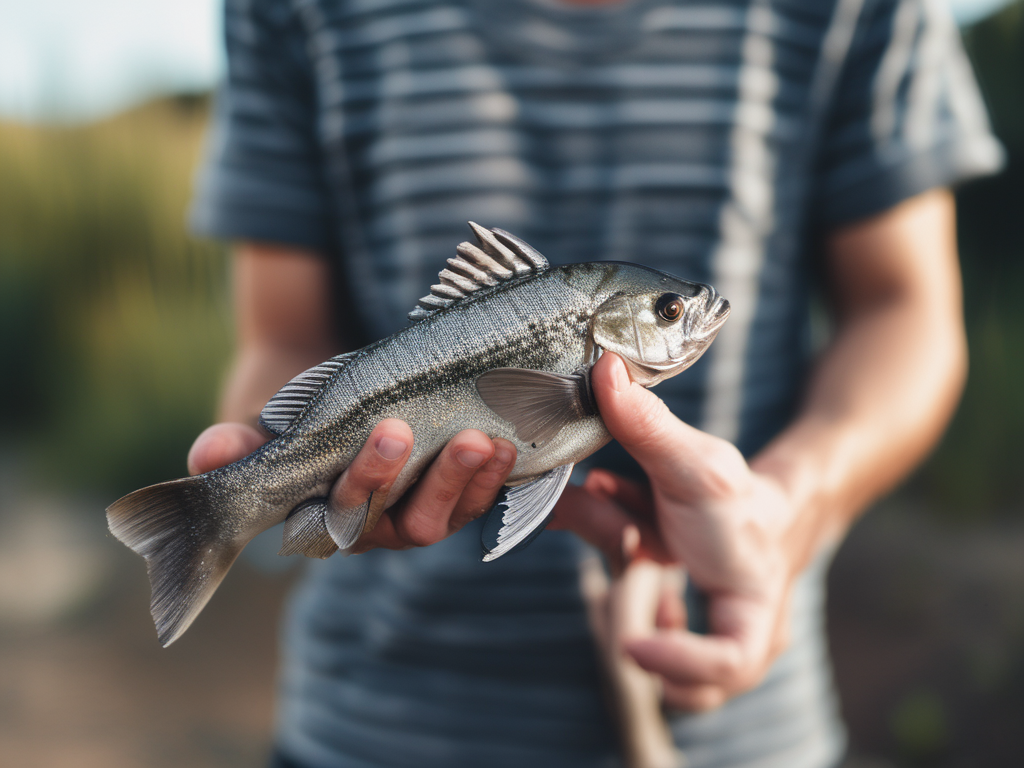
How to Stop a Fish from Escaping Your Grip During a Catch
Catching a fish can be an exhilarating experience, but the moment it starts wriggling and slipping from your hands, that joy can quickly turn into frustration. It’s a common problem anglers face, and it’s more than just an inconvenience; proper handling is crucial for both the fisher and the fish’s well-being. To avoid the notorious “slippery handshake” during a catch, there are specific techniques and tools you can use that make a big difference.
Using a clean, old washcloth or a purpose-made fish gripper can drastically improve your grip. Additionally, understanding the right way to hold different types of fish is important, as some might calm down when gripped by the lip while others need more support along their body. These techniques not only ensure a more secure hold but also help in safely releasing the fish back into the water if you’re practicing catch and release. Mastering these tips can transform your fishing experience, making it smoother and more enjoyable.
Understanding the Slippery Nature of Fish
When it comes to catching fish, many people experience what is often called the “slippery handshake.” This slippery feel is a common and natural characteristic of fish. Understanding why fish are slippery can help anglers handle their catches more effectively.
The Mucus Layer
Fish are covered in a layer of mucus, often referred to as a slime coat. This mucus serves several vital functions:
- Protection: The mucus acts as a protective barrier, shielding the fish from pathogens, parasites, and physical injuries. Think of it as a suit of armor that keeps the fish safe.
- Reduced Friction: In the water, the mucus reduces friction, allowing the fish to swim more efficiently. It’s like a natural lubricant that makes movement smoother.
- Healing: The mucus has healing properties, aiding in the regeneration of damaged tissues and preventing infections, like a natural band-aid.
- Camouflage and Communication: For some species, the mucus can also play a role in camouflage and communication with other fish.
The slimy texture you feel when handling fish is due to this mucus layer. It’s essential for the fish’s survival, and losing too much of it can be harmful.
Fish Anatomy and Handling
Different fish species have varying levels of slipperiness, largely due to their anatomy and the amount of mucus they produce. Here’s what to consider when handling fish:
- Scale Structure: Fish scales play a significant role in their slipperiness. Some fish, like eels and catfish, have smooth, slick skin with minimal scales, making them particularly slippery. Others, like trout and bass, have more pronounced scales but are still covered in a mucous layer.
- Species Differences: Some fish produce more mucus than others. For example, hagfish produce copious amounts of slime as a defense mechanism, while others like tilapia have less.
Knowing these differences can help you handle the fish better:
- Using Wet Hands: Always wet your hands before touching a fish. This prevents the removal of too much mucus, helping the fish stay healthy.
- Proper Holding Techniques: Use both hands to support the fish’s body. Holding the fish gently yet firmly helps prevent injury both to you and the fish.
- Tools: Consider using rubber nets and wet gloves. These tools can help you grip the fish securely and safely without causing harm.
Understanding the slippery nature of fish is not just about making the catch easier but also about ensuring the well-being of the fish during and after the catch.
Techniques to Prevent Slippery Handshake
Catching a fish is a thrilling experience, but it can turn slippery if you’re not prepared. The “slippery handshake” is a common frustration among anglers. Here are some practical methods to ensure you maintain a firm grip on your catch.
Using Gloves
Wearing gloves is one of the simplest ways to avoid the slippery handshake. Gloves provide a better grip and protect your hands. Here are some benefits and types of gloves you can consider:
- Improved Grip: Gloves made for fishing usually have textured surfaces that enhance your grip on the fish.
- Protection: They protect your hands from fish scales, fins, and the occasional hook.
- Weather Resistance: Some gloves are designed to keep your hands warm in cold weather or cool in hot conditions.
There are various types of gloves that you may find useful:
- Fishing Gloves: Specifically designed for anglers, they provide excellent grip and protection.
- Neoprene Gloves: Good for cold weather, these gloves are both waterproof and insulating.
- Fingerless Gloves: Allow for better sensitivity while handling equipment. They offer a balance between protection and dexterity.
Having the right gloves can make all the difference in your fishing experience.
Employing Towels or Mats
A simple towel or mat can be your best friend when handling a fish. Here’s how to use them effectively:
- Dry Towels: Keep a dry towel handy to quickly dry off your hands before grabbing the fish. This minimizes slipping.
- Wet Towels: Alternatively, a wet towel can be used to gently hold the fish without damaging its scales.
- Grip Mats: Some anglers use grip mats, which are specially designed surfaces that provide additional friction to hold the fish securely.
Using towels or mats helps in maintaining a solid grip and makes the catch-and-release process smoother.
Proper Hand Placement Techniques
Knowing how to hold a fish is crucial. Here are some hand placement techniques to ensure a secure grip without harming the fish:
- Support the Belly: Place one hand under the fish’s belly and the other around its tail. This provides even support and prevents dropping.
- Secure the Head: Gently cradling the fish’s head with one hand can help manage its movements.
- Firm but Gentle Grip: Avoid squeezing the fish too hard. A firm but gentle hold is enough to prevent it from slipping.
Here are some additional tips for specific types of fish:
- Bass: Hold them by the lower lip and support the body with the other hand.
- Trout: Use a two-handed hold, supporting the belly and tail for better control.
- Pike/Musky: These fish have sharp teeth, so be cautious. Use both hands to support the body under the gills and tail.
This approach ensures the safety of both the fish and the angler, making your fishing experience more enjoyable.
Best Practices for Catch and Release
Practicing catch and release fishing not only helps preserve fish populations but also ensures the health and survival of the fish. By following these best practices, you can make a significant difference in maintaining a healthy fish environment. Let’s dive into some essential steps to keep in mind during catch and release.
Minimizing Stress on the Fish
To ensure the fish you catch and release thrive, it’s essential to minimize stress throughout the process. The following tips will help:
- Quick Handling: Handle the fish quickly to reduce the time it spends out of water. The longer the fish is out of its natural habitat, the more stressed it becomes. Think of it like holding your breath underwater—the quicker, the better.
- Wetting Your Hands: Always wet your hands before touching a fish. Dry hands can remove the protective slime coat on the fish’s skin, increasing the risk of infection. Wet hands are gentle and reduce potential harm.
- Using the Right Tools: Use de-hooking tools to remove the hook while the fish is still in the water. This minimizes the handling time and stress on the fish. Tools like pliers or hemostats are excellent for quick and safe hook removal.
- Avoid the Gills: Never touch the gills or eyes of the fish. Gills are delicate and crucial for the fish’s breathing, and touching them can cause severe damage. Think of the gills as the fish’s lungs—they need to stay intact.
- Support the Fish: When handling the fish, support its weight properly. Place one hand under the belly and the other near the tail. This reduces the risk of internal injuries and ensures the fish can swim away strongly.
- Photograph Fast: If you want a picture with your catch, have your camera ready beforehand. Limit the time the fish is out of the water to just a few seconds, ensuring a quick return to its environment.
Following these best practices ensures that the fish you release have the best chance of survival, fostering a sustainable fishing environment.
Common Mistakes to Avoid
When trying to prevent the “slippery handshake” from happening while fishing, there are some key mistakes to avoid. These pitfalls can make the experience tough and can even hurt both the fish and the angler.
Overgripping the Fish
Gripping a fish too tightly is a common mistake. When you hold on too hard, the fish can become even more slippery and harder to manage. It’s like trying to hold onto a bar of soap by squeezing it—tightening your grip might just make it shoot out of your hands.
- Harm to the Fish: Overgripping can damage the fish’s delicate tissues and scales. Fish have a protective mucus layer that helps keep them safe from infections. Squeezing too hard can rub off this layer, making the fish more vulnerable.
- Risk to the Angler: A fish that’s hurt or stressed might thrash around, increasing the risk of injury to the angler.
To avoid this:
- Use a Firm but Gentle Grip: Place your hand around the fish lightly, without squeezing. Support its weight, especially if it’s a larger fish. For smaller fish, hold them briefly and release them back into the water as soon as possible.
Improper Use of Tools
Using tools incorrectly is another big issue. For example, mishandling pliers when removing a hook can result in a slippery fish. It’s similar to using the wrong tool for a DIY project at home; you might end up doing more harm than good.
- Misuse of Pliers: If you don’t use pliers correctly, you might fumble and cause the fish to slip. This can lead to a struggle, making the situation harder to control.
- Damage to the Fish: Improper use of tools can injure the fish. Using pliers roughly can tear the fish’s mouth, making it difficult for the fish to eat or breathe properly after release.
To avoid this:
- Use the Right Tools Correctly: Always use a good pair of pliers designed for fishing. Practice using them to remove hooks smoothly and efficiently.
- Handle with Care: Be as gentle as possible to minimize harm to the fish. If necessary, consider barbless hooks, which are easier to remove and cause less damage.
By avoiding these common mistakes, you can improve your fishing experience and ensure that you handle the fish safely and responsibly.
Conclusion
Preventing the slippery handshake during a fish catch comes down to technique and preparation. Use a wet cloth or gloves for a better grip and to protect both your hands and the fish. Wetting your hands first minimizes harm. Keep handling time brief and always handle fish with care to ensure their safety.
Practice these methods for more successful and humane fishing experiences. Engage in the discussion by sharing your own tips or any questions you have. Stay tuned for more fishing tips and tricks. Thank you for reading. Catch you later!


