
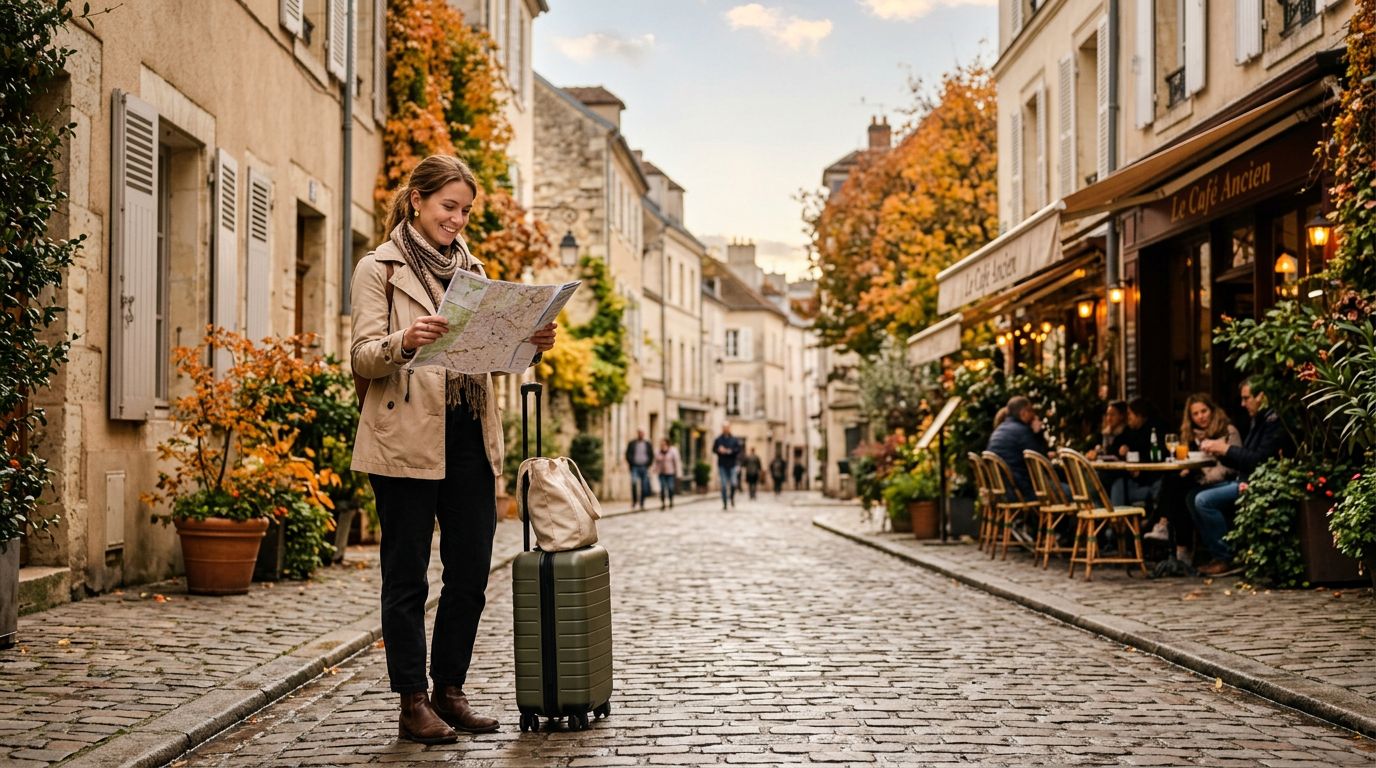
Nothing drains the fun from a holiday like paying peak prices to stand in a queue behind a coach tour. Shoulder season travel is the sweet spot between those busy periods, when a destination is still open and lively, but it has room to breathe.
Many destinations still offer pleasant weather, though you may get a little rain. You may need a light jacket. In return, you could spend less on flights and hotels, walk into restaurants without a reservation, and experience a city’s local culture beyond other people’s selfies.
This post may contain affiliate links. If you make a purchase through these links, I may earn a small commission at no extra cost to you.
Key Takeaways
- Shoulder season usually falls between peak and off-peak periods, but the best dates depend on each destination’s weather, events, school breaks, and seasonal closures.
- Lower prices are possible, especially after school holidays and on weekdays, but compare the full trip cost, including transport, meals, tours, and insurance.
- Europe, national parks, beach destinations, and cultural cities can feel more comfortable and manageable in spring and fall, with fewer crowds and milder weather.
- Pack for changing conditions, plan useful activities for rainy days, and check transport, attraction, hotel, and trail availability before booking.
- The best shoulder season trip balances open businesses, pleasant conditions, manageable crowds, and enough flexibility to change plans.
Shoulder Season Travel Is Not One Fixed Calendar
Shoulder season sits between peak season and the quietest part of the year. In much of Europe and North America, that often means April and May, then September and October. The catch is that travel calendars are a little like weather forecasts. Helpful, but not something to treat as holy scripture.
A city such as Rome has a spring shoulder season before the summer months arrive in full force. By late September, Rome enters its fall shoulder season. The heat has eased, but museums, cafes, and major sites are still open. A ski village in the Alps has a completely different rhythm, with autumn foliage sometimes changing its timing. Its quieter period may fall after snow has gone and before summer hiking begins.

Tropical destinations work on climate rather than school holidays. A Caribbean island may have lower accommodation prices during the rainy season. Southeast Asia has its own dry and wet-season patterns. This guide to shoulder season timing makes the useful point that travel windows can sit between dry and rainy periods, not only between summer and winter.
The best shoulder season is not a month on a generic calendar. It is the short period after the crowds leave and before the destination shuts down for the weather.
Read the destination’s small print
Look beyond average temperatures. Check school breaks in your home country and the place you are visiting. Easter, spring break, long weekends, local festivals, cruise-ship schedules, and major conferences can turn a supposedly quiet week into a costly one.
Then check what remains open. A coastal village may be wonderful in early October, when the sea is still warm and restaurants are serving dinner. By mid-November, half those restaurants could be closed and the ferry timetable may look rather optimistic.
This is where a few minutes of research saves a surprising amount of annoyance. Look at a hotel’s availability calendar, not only its headline rate. Search for local event dates. Read recent reviews for comments about renovations, closures, or weather. Shoulder season rewards people who check the details.
Why Lower Prices Do Not Always Mean a Cheap Trip
Lower prices are the most obvious appeal, but they are not automatic. Airlines set fares around demand, competition, and route schedules. Hotels may reduce rates after summer, then raise them for a weekend festival. A bargain room can lose its shine if the airport transfer costs a small fortune.
Still, the savings can be meaningful. In some popular U.S. destinations, hotel rates in spring or fall can run 20 to 40 percent below July prices. Flights can also drop after school holidays end. The biggest wins often come from choosing a Tuesday departure, avoiding a holiday weekend, and staying a few blocks outside the most famous square.
Build a small comparison before booking. Price the same trip across three dates: one in peak season, one in the shoulder period, and one in the off-peak season. Include flights, lodging, local transport, tours, meals, and travel insurance. The cheapest room is not the cheapest trip if you need to rent a car because public transportation has stopped running.
Shoulder season travel also makes modest budgets feel less restrictive. A hotel near Florence’s historic center may be possible in May, rather than a long bus ride away in August. You might afford a guide for the Vatican Museums, a vineyard lunch, or an extra night in town. That is often a better use of savings than cramming three rushed cities into one week.
Why Europe Feels Better Outside the Summer Rush
European cities are built for walking, lingering, and getting slightly lost. They are less enjoyable when pavement radiates heat and every major sight has a line around the block. April and May mark the spring shoulder season, when exploring them becomes easier. Late September and October usually offer more pleasant weather without the hard squeeze of summer tourist crowds.
Paris is easier when you can find a table near the Canal Saint-Martin. Florence feels more human when you can cross the Ponte Vecchio without shuffling along in a crowd. In Rome, a cooler afternoon makes the walk between the Colosseum, Forum, and Capitoline Hill feel possible rather than heroic.
The fall shoulder season is particularly good for southern Europe. September often brings beach weather to Greece, Portugal, southern Spain, and Turkey, all appealing beach destinations after school resumes. October can be lovely for city breaks, food markets, wine regions, and autumn foliage, although evenings cool down fast.

Photo by tahsin can önalp
Turkey is a strong example. Istanbul is more comfortable once the sticky summer heat fades, while Antalya and the Turkish Riviera can still offer sunny days in September and October. You get ancient sites, coastal views, and local culture without trying to enjoy ancient ruins at noon in blistering heat.
For broader destination ideas, AAA’s shoulder season travel guide also points to regional differences in places such as Southeast Asia and the Caribbean. There is no universal best month. There is only the best month for the trip you want.
National Parks Need a Different Kind of Timing
U.S. national parks are among the clearest cases for traveling in the transition months. The summer months can bring full parking lots, hot trails, and booked-out lodges. Spring and fall often bring cooler temperatures and a little more space.
Yosemite is a good spring choice, particularly when waterfalls are running strongly after winter snow. In autumn, visitors may trade peak waterfall flow for autumn foliage, quieter trails, and a calmer valley. Glacier National Park can be beautiful in early fall, but road access may change with weather conditions. Check for seasonal closures before booking.
Utah’s parks, including Zion, Bryce Canyon, Arches, and Canyonlands, feel more comfortable in April and May, the spring shoulder season, and September and October, the fall shoulder season. The same is true of the Grand Canyon and many desert parks in Arizona and California.
The trade-off is simple. Shorter daylight, colder mornings, and occasional closures can limit outdoor activities, even when trails are quieter. Pack layers, bring more water than you think you need, and have a second hike in mind. A little flexibility is cheaper than trying to force a perfect itinerary through bad weather.
Make Rain and Work Commitments Part of the Plan
Shoulder-season weather is rarely a reason to stay home. It is a reason to pack like a sensible person. Bring a waterproof outer layer, comfortable shoes that can handle wet pavement, and one warm layer for evenings. A compact umbrella is useful in cities, though it can become a weapon in a crowded street.
Give rainy days a purpose. Book museum tickets for the wettest-looking afternoon. Save a food tour, cooking class, spa visit, or long lunch for a day when weather conditions turn gloomy. Use clear days for outdoor activities, treating them as a gift, not a promise you were owed.
People without a school schedule have a real advantage here. Retirees, remote workers, couples, and solo travelers can leave on a Wednesday in late September, then return before a busy weekend pushes flight rates up. That travel flexibility is worth more than hunting endlessly for a discount code.
Remote workers need a bit more structure. Choose a place with reliable Wi-Fi reviews, a proper desk or nearby cafe, and a time zone that does not turn every workday into a midnight shift. Plan sightseeing around meetings, not against them. A month in Lisbon is no bargain if you spend it staring at a laptop in a dark rental apartment.
Frequently Asked Questions
What is shoulder season travel?
Shoulder season travel means visiting a destination between its busiest peak season and its quietest off-peak period. These transition months often offer lower prices, fewer crowds, and reasonably pleasant weather.
When is the best time for shoulder season travel?
In many parts of Europe and North America, the main shoulder-season windows are April and May, then September and October. The best timing varies by destination, so check local weather patterns, holidays, festivals, and business closures before booking.
Is shoulder season travel always cheaper?
No, but flights and accommodation often cost less after school holidays and outside major events. Compare the entire trip across peak, shoulder, and off-peak dates because savings on a hotel can disappear if transport or activities are limited.
What should I pack for a shoulder season trip?
Pack layers, a waterproof outer layer, comfortable shoes for wet pavement, and a warm layer for cool evenings. A compact umbrella can also help in cities, although weather conditions may still require flexible plans.
Are national parks good for shoulder season travel?
Yes, spring and fall can bring cooler temperatures, quieter trails, and better access to popular parks. However, shorter daylight, changing weather, and seasonal road or trail closures are possible, so check current conditions and keep a backup plan.
The Quiet Season Is Often the Better Trip
The aim is not to find an empty destination. A completely empty destination can feel closed, cold, and a bit sad. Look for a fall shoulder season week when businesses are open, crowds are manageable, and the place feels lived in, with autumn foliage nearby.
Shoulder season travel gives you more control over that balance. Watch the local calendar, accept a rainy afternoon, and leave room for changes. The right timing can bring authentic experiences in a place that feels lived in rather than overwhelmed. You may spend less and enjoy a better travel experience because the trip fits around you.


