
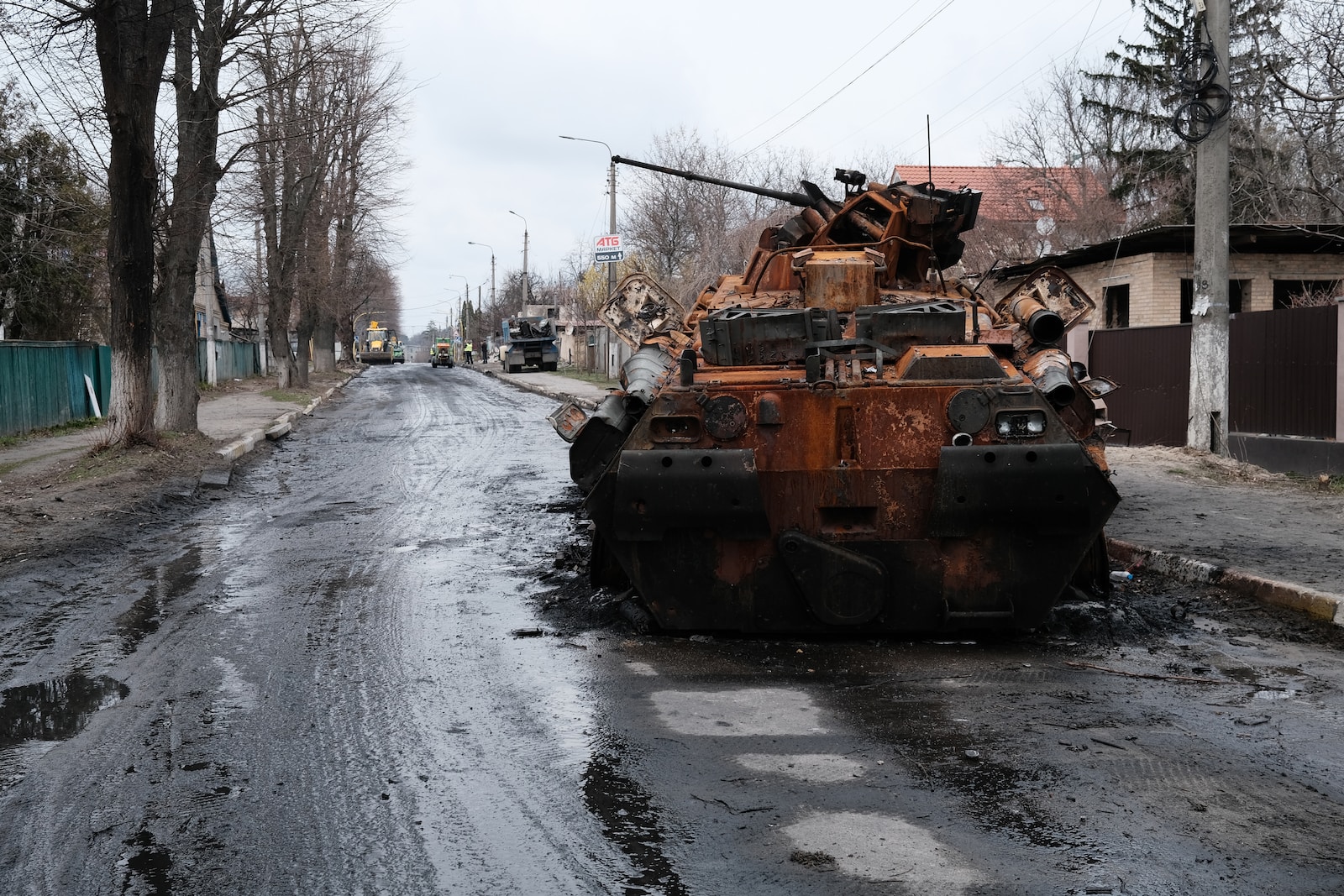
Assessing the Effectiveness of Truth and Reconciliation Processes in Addressing War Crimes
Introduction
Truth and reconciliation processes have emerged as important mechanisms for addressing war crimes and human rights abuses in societies recovering from conflict. These processes aim to uncover the truth about past atrocities, provide justice for victims, promote healing and reconciliation, and contribute to the prevention of future conflicts. However, assessing the effectiveness of truth and reconciliation processes in achieving these goals is crucial for evaluating their impact and guiding future transitional justice efforts. This article explores how one can assess the effectiveness of truth and reconciliation processes in addressing war crimes, highlighting key considerations and perspectives.
The Goals and Components of Truth and Reconciliation Processes
Truth and reconciliation processes typically involve the following key goals and components:
- Uncovering the Truth: Truth-seeking is a fundamental objective of these processes. They aim to establish an accurate historical record of past atrocities, including war crimes, through the collection of testimonies, documentation, forensic evidence, and archival research. Uncovering the truth helps to challenge denial, establish a shared understanding of the past, and combat impunity.
- Justice and Accountability: Truth and reconciliation processes often strive to address the issue of justice by pursuing accountability for war crimes. This can involve various measures, such as legal prosecutions, reparations, and institutional reforms, to hold perpetrators accountable for their actions and provide redress for victims.
- Healing and Reconciliation: Promoting healing and reconciliation is a central aspect of these processes. They aim to create spaces for victims to share their stories, acknowledge their suffering, and seek emotional and psychological healing. Community-based initiatives, commemoration events, and reparative measures are also used to foster reconciliation and societal healing.
- Institutional Reforms: Truth and reconciliation processes may recommend institutional reforms to address the root causes of war crimes and prevent their recurrence. This can involve reforming the security sector, judiciary, and other institutions to ensure accountability, respect for human rights, and the prevention of future abuses.
Methods for Assessing Effectiveness
Assessing the effectiveness of truth and reconciliation processes requires a comprehensive approach that considers multiple dimensions:
- Participation and Inclusivity: Evaluating the extent of participation and inclusivity is essential. Assessing whether diverse stakeholders, including victims, perpetrators, and marginalized groups, were actively involved in the process helps determine its legitimacy and representativeness.
- Impact on Victims: Assessing the impact on victims is crucial. This involves evaluating whether victims’ rights to truth, justice, reparations, and psychosocial support were adequately addressed and whether they experienced a sense of closure, empowerment, and healing as a result of the process.
- Reconciliation and Social Cohesion: Assessing the process’s contribution to reconciliation and social cohesion is important. This includes evaluating changes in intergroup relations, attitudes, and levels of trust, as well as the effectiveness of reconciliation mechanisms and community engagement initiatives.
- Truth and Accountability: Evaluating the effectiveness of truth-seeking and accountability measures is key. This involves assessing the quality and comprehensiveness of the information revealed, the impact on public opinion, the pursuit of legal prosecutions, and the implementation of reparations and institutional reforms.
- Long-Term Impact: Assessing the long-term impact of truth and reconciliation processes is crucial. This involves examining whether the process’s outcomes have been sustained over time, whether lessons from the past have been integrated into policies and education, and whether the risk of recurrence of war crimes has been effectively mitigated.
Challenges and Limitations
Assessing the effectiveness of truth and reconciliation processes faces several challenges and limitations:
- Subjectivity and Diverse Perspectives: The assessment of effectiveness can be subjective and influenced by diverse perspectives. Different stakeholders may have varying expectations and interpretations of what constitutes success, making consensus challenging.
- Timing and Duration: The true effectiveness of truth and reconciliation processes may only become evident in the long term. Immediate assessments may fail to capture the full impact and sustainability of the process over time.
- Resource Constraints: Assessments require resources, expertise, and time. Limited resources can hinder comprehensive evaluations, making it difficult to gather and analyze data from multiple sources.
- Contextual Factors: The effectiveness of truth and reconciliation processes is influenced by contextual factors such as political will, societal divisions, and the broader socio-economic and cultural context. These factors can shape the outcomes and limit the process’s impact.
Conclusion
Assessing the effectiveness of truth and reconciliation processes in addressing war crimes is a complex endeavor. By evaluating the goals, components, and methods of these processes, one can gain insights into their impact on truth-seeking, justice, healing, and reconciliation. While challenges and limitations exist, a comprehensive assessment can provide valuable insights to inform future transitional justice efforts. It is through continuous evaluation and learning from past experiences that societies can strive for justice, healing, and sustainable peace in the aftermath of war crimes.


