
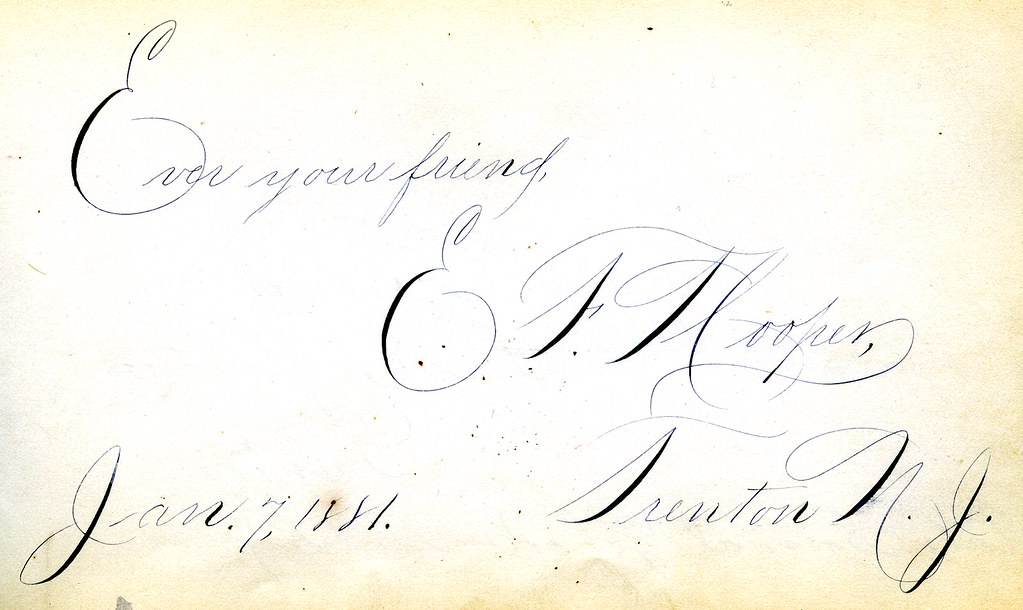
Collecting autographs of famous people, such as actors, musicians, politicians, or athletes, is a popular hobby that has been around for decades. The allure of owning a piece of history, a signature of someone admired, or a memento of a significant event, is something that appeals to many people. However, with the rise of forgeries and counterfeit autographs, the authentication of vintage autographs has become a critical aspect of the collecting process. In this article, we will explore the methods used to authenticate a vintage autograph, and the steps collectors should take to ensure the authenticity of their items.
Authenticate a Vintage Autograph
What is authentication?
Authentication is the process of verifying the genuineness of an autograph. It involves analyzing the physical characteristics of the signature, the writing style, the materials used, and any historical context surrounding the item. The goal of authentication is to determine whether the signature is original, or a forgery, a copy, or a facsimile.
What are the types of autographs?
Before diving into the authentication process, it’s important to understand the different types of autographs. There are three main types of autographs: signed, inscribed, and handwritten. A signed autograph is a simple signature, usually just the person’s name. An inscribed autograph includes a message or dedication written by the signer, often addressed to a specific person or with a specific message. A handwritten autograph is a longer message or letter written by the signer. Each type of autograph presents different challenges and opportunities for authentication.
What are the authentication methods?
There are several methods used to authenticate a vintage autograph. Collectors and experts use a combination of these methods to determine the genuineness of a signature.
Physical analysis
The physical analysis involves examining the signature and the materials used to sign it. Experts look at the ink color, pen type, pressure, flow, and thickness of the signature. They also examine the paper or item on which the signature is written, looking for signs of aging, watermarks, or other indications of authenticity. They may use a magnifying glass or microscope to study the details of the signature and compare them to known authentic signatures.
Comparison to known authentic signatures
One of the most effective methods for authentication is the comparison to known authentic signatures. Experts use reference materials, such as signed documents, letters, or photographs, to compare the signature in question to signatures known to be genuine. This method relies on the concept of consistency, that is, the idea that a person’s signature is relatively consistent over time. If the signature being examined matches known authentic signatures, then it is likely to be genuine.
Historical research
Historical research is another critical method for authentication. Experts investigate the historical context surrounding the item, such as the date, location, and circumstances of the signing. They may also look for supporting documentation, such as photographs or letters, that provide evidence of the signer’s presence or involvement in the event. This method helps to establish the authenticity of the item and the likelihood that the signature is genuine.
Provenance
Provenance is the record of ownership and history of an item. Collectors and experts rely on provenance to establish the authenticity and value of an autograph. The provenance may include information about the source of the item, the previous owners, and any supporting documentation or certification. A strong provenance can significantly increase the value of an autographed item and provide evidence of its authenticity.
What are the risks of authentication?
Despite the best efforts of collectors and experts, the authentication of vintage autographs is not foolproof. There are risks associated with authentication, including the possibility of errors, biases, and fraud. Collectors should be aware of these risks and take steps to mitigate them.
One risk of authentication is the possibility of errors or mistakes. Even experts can make errors when analyzing a signature or comparing it to known authentic signatures. These errors can lead to false positives or false negatives, where a genuine signature is wrongly identified as a forgery, or a forgery is wrongly identified as genuine. Collectors should be aware of the limitations of authentication methods and seek multiple opinions before making a significant purchase.
Another risk of authentication is the possibility of biases or conflicts of interest. Collectors and experts may have personal or financial motivations that influence their authentication decisions. For example, a collector may be more likely to authenticate a signature if they have a personal connection to the signer or the event. Similarly, an expert may be more likely to authenticate a signature if they are being paid by the collector or dealer. Collectors should be cautious of biases and seek out unbiased opinions and certification.
Finally, the risk of fraud is a significant concern in the authentication of vintage autographs. Counterfeiters and forgers are becoming increasingly sophisticated, making it more difficult to distinguish between genuine and fake signatures. Some forgeries are so convincing that even experts can be fooled. Collectors should be vigilant and take steps to protect themselves, such as purchasing from reputable dealers, seeking out certification, and verifying provenance.
Conclusion
In conclusion, the authentication of vintage autographs is a critical aspect of collecting that requires careful analysis, comparison, and research. Collectors and experts use a combination of physical analysis, comparison to known authentic signatures, historical research, and provenance to determine the genuineness of an autograph. Despite the best efforts of collectors and experts, there are risks associated with authentication, including the possibility of errors, biases, and fraud. Collectors should be aware of these risks and take steps to mitigate them, such as seeking multiple opinions, verifying provenance, and purchasing from reputable dealers. With proper authentication, collectors can ensure the authenticity and value of their autographed items and preserve them for future generations to enjoy.


