
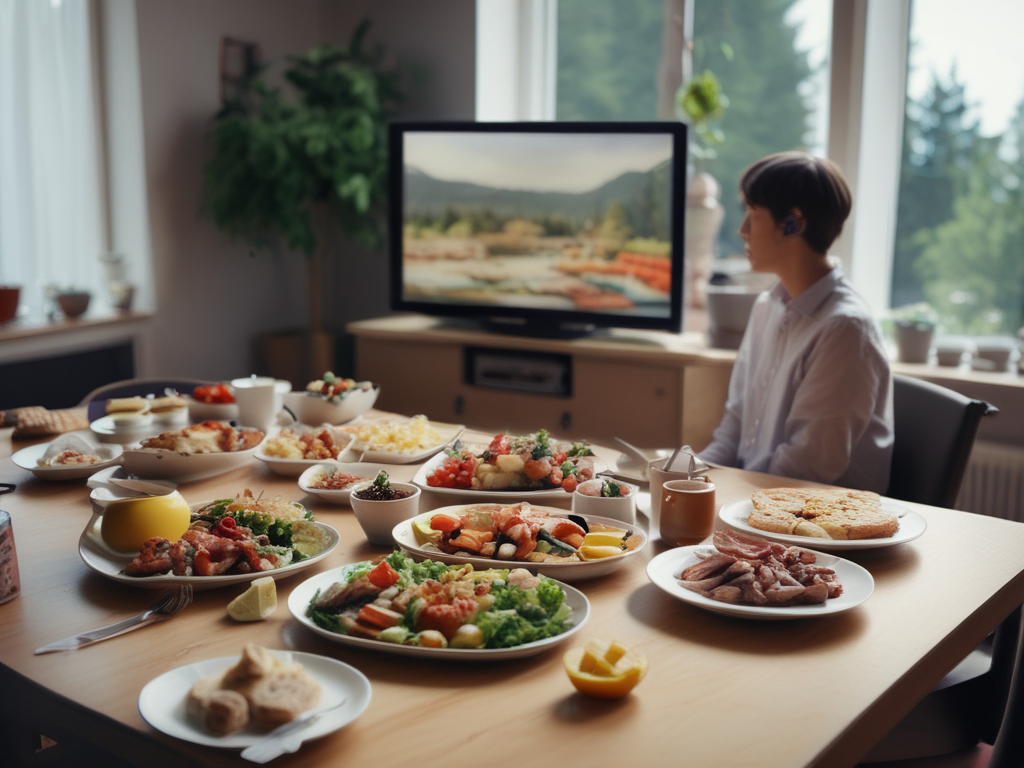
You’re all set for a relaxing lunch break, but then the dreaded binge-watching bug bites. Suddenly, you’re wrapped up in that gripping series and time slips away unnoticed. You’re not alone. Many of us struggle with the urge to click “next episode.” It might seem harmless, yet losing track of time can leave you stressed and behind on tasks. Productive breaks are crucial, and striking a balance is key. Stick around, as we’ll explore practical tips to keep lunch breaks refreshing without falling down the binge-watching rabbit hole.
Understanding the Binge-Watching Phenomenon
Binge-watching has become a popular pastime in our digital age. It’s when we sit down and watch multiple episodes of a TV show in one sitting. Streaming services like Netflix and Hulu make it easy to get sucked into the “just one more episode” mindset. But what’s really going on when we can’t pull ourselves away from the screen, especially during lunch breaks?
Why We Fall into the Trap
There are a few reasons why binge-watching is so alluring:
- Instant Gratification: We love getting quick rewards. Watching shows back-to-back gives us a rush of satisfaction. Each episode often ends with a cliffhanger, making us crave more and more.
- The Cliffhanger Effect: Creators know what they’re doing. They design episodes to leave you hanging. Just as the story peaks, the credits roll, leaving you eager to continue. This tactic keeps viewers glued to their screens, pushing them to watch the next episode, and then the next.
- Social Influence: Ever felt out of the loop when all your friends are talking about the latest show? Keeping up with popular series can feel essential, further pushing us to watch as much as possible in one sitting.
Impact on Productivity
While binge-watching can be fun, it doesn’t always mix well with our work life:
- Decreased Work Efficiency: Watching TV during lunch might seem like a harmless break, but it can quickly extend beyond a quick episode. Before you know it, you’re cutting into your work time, leading to a rushed afternoon and less efficient work.
- Mental Exhaustion: After watching multiple episodes, your brain feels tired even if your body doesn’t. This mental exhaustion can make focusing on work tasks more difficult, leading to mistakes and decreased productivity.
- Sleep Disruption: According to a 2017 study, binge-watching is linked to poorer sleep quality. If you’re staying up late to finish a season, you’re likely to feel tired during the day, which can affect your overall performance at work.
Understanding these psychological triggers and effects is crucial in resisting the call for just one more episode. By recognizing the impact on both mental wellness and productivity, we can make more mindful viewing choices. How do you keep your viewing habits in check?
Setting Boundaries
We’ve all been there: lunch break rolls around, and suddenly you’re sucked into the endless allure of “just one more episode.” An episode can turn into a marathon before you know it, leaving you rushed and stressed for the rest of the day. So, how can you avoid this all-too-common trap? It’s all about setting boundaries. This means creating clear rules for yourself that help you enjoy your show without overindulging. Here’s how:
Establish a Time Limit
The simplest way to avoid watching too much is to set a clear time limit. Using timers or reminders can help keep you on track:
- Set a Timer: Try using your phone or a kitchen timer to remind yourself when it’s time to stop. When the timer goes off, finish the episode you’re watching and step back.
- Use Calendar Alerts: Setting an alert in your calendar app can also be a great way to mark the end of your break. This way, you’ll have a reminder that feels more official.
By planning your time and sticking to it, you can enjoy your shows without letting them take over your day.
Create a Reward System
Why not make viewing part of a reward system? Instead of watching whenever you feel like it, use episodes as a treat:
- Complete Tasks First: Set a goal, like finishing a report or clearing your inbox, before you allow yourself to watch an episode.
- Celebrate Milestones: Use episodes as a way to celebrate completing bigger projects or achieving a goal.
This approach gives you something to look forward to and makes each episode feel more special.
Use Alternative Break Activities
Sometimes stepping away from screens altogether can be the most refreshing use of your break:
- Go for a Walk: A brisk walk can clear your mind and re-energize you for the afternoon.
- Read a Book: Dive into a few pages of a novel or an interesting article. It’s a great way to relax and switch gears.
- Practice Breathing or Meditation: A few minutes of deep breathing or mindfulness can reduce stress and help you refocus.
Switching up your break activities not only avoids the binge-watching trap but can also improve your overall well-being.
By setting these boundaries, you can enjoy your lunch breaks and your favorite shows without one interfering with the other. Don’t let your screen dictate your schedule. Instead, take control and create a balanced routine that works for you.
Mindfulness and Self-Discipline
In our fast-paced world, it’s easy to fall into the trap of binge-watching during your lunch break. Let’s explore how mindfulness and self-discipline can help keep those streaming urges in check.
Practice Mindfulness Techniques
Mindfulness is all about being present in the moment. It’s like hitting the pause button in your mind, allowing you to focus on what’s happening right now. Here are some simple exercises you can try:
- Breathing Exercises: Take deep breaths, focusing on the air as it enters and leaves your body. Try counting slowly to five as you breathe in, hold for five, and then exhale for five. This can help refocus your mind away from screens and back to the present.
- Body Scan: Sit comfortably and close your eyes. Slowly pay attention to each part of your body, starting from your toes and moving up to your head. Notice any tension or discomfort, and consciously relax those muscles. This helps ground you, making it easier to resist distractions.
- Mindful Eating: Use your lunch break to truly savor your food. Notice the texture, aroma, and taste of each bite. Engaging your senses fully can turn lunchtime into a more satisfying experience, thus deterring the pull of a TV show.
Recognize Triggers
Sometimes the urge to binge-watch isn’t random. Certain triggers might make those shows more tempting. Recognizing and managing these triggers can help you maintain self-discipline:
- Emotions: Feeling stressed, bored, or lonely? These emotions can make the couch and remote seem irresistible. By identifying what you’re feeling, you can choose healthier ways to cope, like taking a walk or calling a friend.
- Environment: A comfortable couch and a glowing TV screen can signal relaxation time. Change your surroundings. Maybe enjoy lunch outside or in a break room where screens aren’t available.
- Routine: If watching TV has become a habitual part of your lunch break, try introducing new activities. Read a short story, journal, or doodle. Shaking up your routine can break the cycle of reaching for the remote.
Mindfulness and self-discipline may take a little practice, but they’re powerful tools for resisting the call of “just one more episode.” With these strategies, you can empower yourself to make lunch breaks more refreshing and productive. Why let TV shows dictate your downtime when you have the control?
Creating a Structured Lunch Break
Having lunch during a busy workday feels like hitting the pause button on life’s show. Yet, it’s all too easy to fall into the “just one more episode” trap, leaving you rushing back to work not quite refreshed. Let’s explore how you can structure your lunch break to make the most of this valuable time.
Plan Your Lunch Break
Imagine heading into lunch without a plan. It’s like stepping onto a soccer field with no goal. Planning out your lunch breaks can be a gamechanger. Here’s how you can kick off this habit:
- Set a Schedule: Mark your calendar just like you would for an important meeting. Decide when your break starts, and more crucially, when it ends.
- Choose Activities in Advance: Plan activities that don’t require a screen. This could be reading a book, taking a walk, or even just relaxing in a quiet space.
- Break the Routine: Get creative. Switch up what you do each day to keep things fresh and exciting.
By planning your break, you’re steering clear of mindless TV time and truly recharging your batteries instead.
Incorporate Social Interactions
TV shows are good company, but let’s face it; they’re a one-way conversation. Instead of watching characters on a screen, how about sharing that lunch sandwich with a real friend or colleague?
- Eat with a Friend: Organize lunch dates with coworkers or invite a friend over. Conversations over a meal can be more satisfying than any TV drama.
- Join a Lunch Group: Why not make it a regular affair? Join or start a lunch club where you connect with different people on different days.
- Talk, Laugh, Share: Explore new topics, exchange jokes, or simply enjoy a hearty laugh together. Social interactions are a powerful antidote to a screen-heavy workday.
Building real-time social connections enriches your day and creates lasting memories that a TV show simply can’t match.
By engaging in these structured activities during your lunch break, you can dodge the allure of the binge-watch spiral and emerge refreshed, ready to tackle the second half of your day with renewed energy.
Leveraging Technology for Control
Feeling stuck in the “just one more episode” loop during your lunch break? You’re not alone! Many of us find it hard to resist the allure of watching just a bit more. Thankfully, technology can help us regain control. By using specific apps and tweaking settings, you can stop binging and reclaim your time.
Use Screen Time Management Apps
Screen time management apps can be your best allies here. They help you set boundaries and remind you when it’s time to hit pause. Here are a few apps worth checking out:
- RescueTime: This app helps track how much time you spend on different activities and can nudge you when it’s time to stop.
- StayFocused: Ideal for those who want to block certain apps during designated times, this app helps minimize distractions.
- Flipd: This one combines productivity tracking with screen time limits, making it easier for you to stay mindful.
Using these apps creates a clear picture of how you spend your time, keeping those tempting episodes in check.
Disable Autoplay Features
Ever notice how one episode rolls right into the next without a break? That’s the power of autoplay features on streaming platforms. While convenient, they can easily lead to unintended binge-watching. Here’s how you can take control:
- Netflix: Go to your account settings on a web browser, find the profile you use, and turn off “Autoplay next episode in a series.”
- YouTube: Simply toggle the autoplay switch located near the video player.
- Amazon Prime Video: Access the app, navigate to settings, and switch off autoplay in the playback settings.
By making these adjustments, you stop autoplay in its tracks, letting you decide when to watch and when to stop. It’s like putting up a sign that says, “Break time is over—back to reality!”
Take charge and enjoy your lunch break without the binge-watching guilt!
Conclusion
Taking back control of your lunch breaks is a powerful step toward a more balanced workday. By setting strict time limits, removing distractions, and engaging in mindful activities, you can avoid getting trapped by the lure of just one more episode. These strategies not only help maintain productivity but also enhance your relaxation time, ensuring you return to work refreshed and focused.
Next time, challenge yourself to try these techniques and see the difference they make in your break routine. Enjoy your shows on your terms and relish the newfound freedom in your lunch hours. Leave a comment if you’ve found other effective ways to manage screen time during breaks. Let’s create a community of support and shared success together.


