
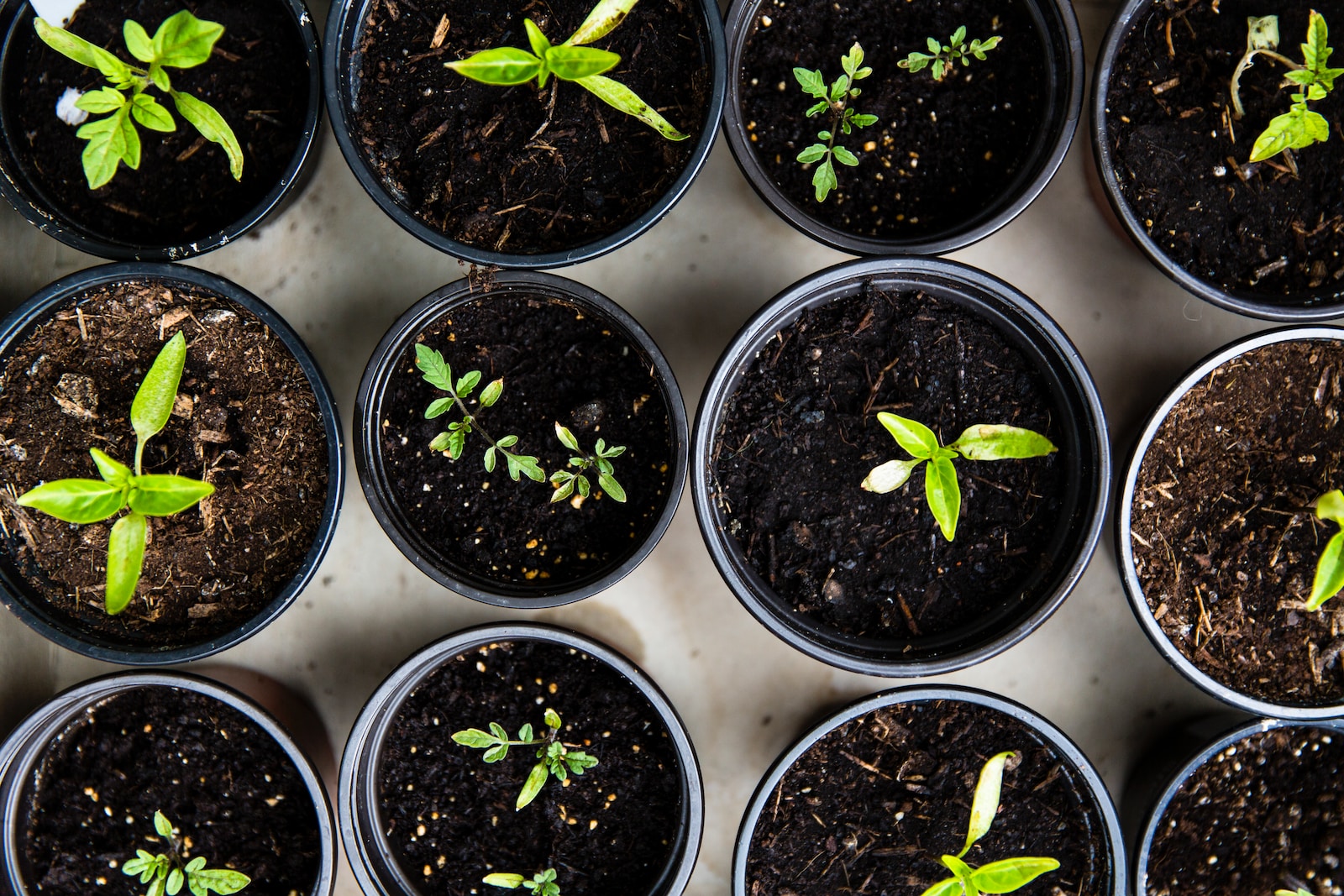
Choosing the right plants for your garden is crucial to ensure their healthy growth and survival. One of the most important factors to consider when selecting plants is the climate in your area. Different plants have different requirements for sunlight, temperature, and moisture, and it is essential to choose plants that can thrive in your climate. In this article, we will guide you through the steps to choose the right plants for your garden based on your climate.
How does one choose the right plants for their garden based on their climate?
Step 1: Know Your Climate
The first step to selecting the right plants for your garden is to know your climate. Different regions have different climates, and it is essential to understand the climate in your area to choose plants that can thrive in it. Factors such as temperature, rainfall, humidity, and wind can all affect plant growth and survival.
Step 2: Choose Plants That Are Native to Your Area
One of the best ways to choose plants that can thrive in your climate is to choose plants that are native to your area. Native plants are adapted to the local climate and soil conditions and can often grow well with minimal maintenance. They also provide food and shelter for local wildlife and can help maintain a healthy ecosystem.
Step 3: Consider the Hardiness Zone
Another important factor to consider when selecting plants is the hardiness zone in your area. The United States Department of Agriculture (USDA) has created a map that divides the country into different zones based on the average minimum temperature in the region. Plants are often labeled with the hardiness zone they can survive in, and it is important to choose plants that are suitable for your hardiness zone.
Step 4: Choose Plants That Can Handle the Amount of Sunlight in Your Garden
Plants require different amounts of sunlight to grow and thrive. Some plants require full sunlight, while others can grow in partial shade. It is important to choose plants that can handle the amount of sunlight in your garden. Observe the amount of sunlight your garden receives throughout the day and choose plants accordingly.
Step 5: Choose Plants That Can Handle the Amount of Moisture in Your Garden
Different plants have different water requirements, and it is important to choose plants that can handle the amount of moisture in your garden. Some plants require a lot of water, while others can grow in dry conditions. Consider the amount of rainfall in your area and choose plants accordingly.
Step 6: Consider the Soil Type in Your Garden
Plants also require different soil conditions to grow and thrive. Some plants prefer well-draining soil, while others can grow in heavy clay soil. Consider the soil type in your garden and choose plants that can thrive in it. You may need to amend the soil in your garden with organic matter, such as compost or manure, to improve its nutrient content and structure.
Step 7: Consider Your Personal Preferences
Finally, consider your personal preferences when selecting plants for your garden. Choose plants that you enjoy and that fit your aesthetic preferences. Consider the size and shape of the plants, their color and texture, and their flowering time.
Choosing the right plants for your garden based on your climate is essential to ensure their healthy growth and survival. By following these steps, you can select plants that can thrive in your garden and provide you with a beautiful and healthy landscape. Remember to do your research, observe the conditions in your garden, and choose plants that fit your personal preferences.


