
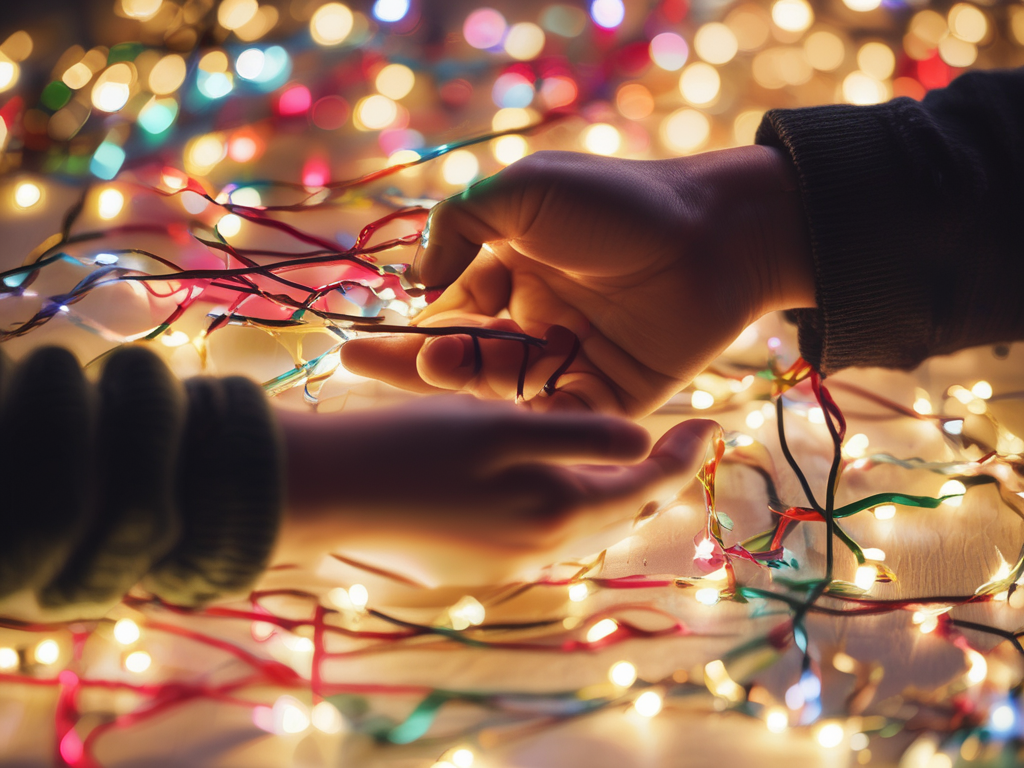
Tangled holiday lights can be a real headache, can’t they? Whether you’re trying to create a festive atmosphere or prepping for a big celebration, nothing dampens the mood quite like battling with cords that refuse to cooperate. The good news is, there are effective solutions to tackle this common frustration.
In this post, you’ll learn practical methods to easily untangle those pesky lights, saving you time and hassle. We’ll explore why lights get tangled in the first place, share simple tips to prevent future messes, and provide strategies to efficiently sort through the chaos.
By the end, you’ll find yourself equipped with the knowledge to handle holiday lights confidently, ensuring your decorations shine bright this season without the drama of tangles.
Understanding the Problem of Tangled Lights
Dealing with tangled holiday lights can be frustrating. Understanding why this happens can make a big difference in how you store and handle your lights. Let’s explore some common causes and the types of lights that are most likely to get tangled.
Common Causes of Tangling
Tangled lights usually result from a few main issues:
- Improper Storage: If you toss your lights into a box without careful arrangement, they are likely to become a jumbled mess. Damage can occur, and you’ll spend more time untangling them rather than enjoying their glow.
- Lightweight Materials: Many modern holiday lights are made of lightweight materials. These materials can easily twist and turn when moved, leading to entanglement. It takes just a few wrong moves during setup, and before you know it, your lights are knotted like a bad hair day.
- Handling During Setup: How you handle your lights while putting them up matters too. Rushing or pulling the cords can lead to tangles. Enjoy the process! Take your time to unwind the lights gently to prevent them from twisting around themselves.
Understanding these causes can help you find better ways to store and set up your lights, reducing future tangles.
Types of Holiday Lights Most Prone to Tangling
Certain types of lights are more prone to tangling than others. If you know which ones to watch out for, you can be more careful when using them.
- String Lights: These are classic holiday lights with individual bulbs strung along a wire. Their long, thin design makes them easy to tangle, especially if they aren’t stored neatly.
- Icicle Lights: These lights hang down like icicles, making them lovely but tricky. The vertical design can cause them to snag when being hung, leading to knots and tangles.
- Rope Lights: Made of a flexible tube filled with lights, these can curl and twist into a mess if not stored properly. Their shape makes it easy for them to catch on other items, which can create tangles when you least expect it.
Being aware of which lights tend to get tangled can save you time and stress during the holiday season. By understanding these common causes and types, you can approach your holiday lighting with more confidence and less hassle.
Methods for Untangling Holiday Lights
Untangling holiday lights can feel like a daunting task, especially when they seem to have a mind of their own. Fear not! There are practical methods you can use to make this process easier and even a bit enjoyable. Let’s explore some reliable techniques that can turn the tangled mess into a beautifully lit display.
The Patience Technique
When it comes to untangling lights, patience is your best friend. Start by finding a flat, well-lit area where you can work comfortably. Here’s how to approach this methodically:
- Unplug the Lights: Safety first! Make sure the lights are unplugged to avoid any accidents.
- Spread the Lights Out: Lay the tangled string flat. This helps you see the knots and twists clearly.
- Gently Work from One End: Choose one end of the string and begin to untangle. Avoid pulling too hard; use your fingers to separate the wires gently.
- Identify Knots: As you work, look for knots or loops. Slowly work these out by loosening them from both sides.
- Take Breaks: If you’re getting frustrated, take a short break. Come back with a fresh mind to tackle the problem.
This technique is all about staying calm and taking it one step at a time. Remember, the objective is to avoid damaging the lights while getting them ready for display.
Using Tools to Assist in Untangling
Sometimes, a little help from the right tools makes all the difference. Consider using these handy items:
- Scissors: For any heavily knotted areas that can’t be freed without cutting. Use with caution, as you don’t want to damage the wires.
- Tweezers: Great for picking at tight knots and reaching into small spaces where your fingers can’t fit.
- Light Hook: This tool can help pull apart tangled sections without causing stress or damage to the wires.
Having these tools on hand can speed up the untangling process and make it more effective, allowing you to focus on getting the lights ready for decoration.
Warm Water Method
If your lights are made from softer materials, the warm water method can relax the knots and help untangling. Here’s how to do it safely:
- Prepare a Container: Find a bowl large enough to hold the tangled lights and fill it with warm—not boiling—water.
- Submerge the Lights: Carefully place the tangled lights into the warm water. Make sure the plug and sockets are above the water.
- Soak for a Few Minutes: Let the lights soak for about 10-15 minutes. This warmth can help loosen tight knots.
- Gently Untangle: After soaking, remove the lights and gently begin to untangle them. The material will be more pliable and easier to work with.
Always ensure the lights are completely dry before plugging them back in to avoid any electrical hazards.
Unplug and Lay Flat
This method is about creating a favorable environment for untangling. Here’s how to do it:
- Unplug the Lights: As always, the first step is safety. Unplug your lights to prevent any risks.
- Find a Flat Surface: Lay the string of lights down on a clean, flat surface where you can easily access all areas.
- Inspect the Mess: Take a moment to look at the entire strand. This bird’s-eye view helps identify the toughest knots and tangles, giving you a plan of attack.
- Work Methodically: Start from one end and work your way to the other, gently freeing the strands from one another.
By laying the lights flat, you can see more of the wire and minimize the chances of creating more tangles as you work.
Using these methods, you can tackle that frustrating jumble of holiday lights and get them ready for display in no time. Remember, the key is patience and a bit of creativity!
Preventing Tangling in the Future
Dealing with tangled holiday lights can feel frustrating and chaotic. But there’s good news! With just a little planning and organization, you can prevent this hassle in the future. Here are some effective strategies to help keep your holiday lights neat and ready to use.
Proper Storage Techniques
Storing your holiday lights properly is the first step toward taming the mess. Here are a few methods to consider:
- Storage Reels: Invest in a storage reel specifically designed for holiday lights. This tool allows you to wind the lights around a spool, preventing knots and tangles. Just be sure to peel the lights off gently when setting them up.
- Cardboard Wrapping: Cut out pieces of cardboard and wrap the lights around them. This old-school method is simple and effective. It keeps the lights flat and untangled. Plus, it’s cost-effective since you can use materials you already have at home.
- Zip Ties: After you’ve wrapped your lights, secure them with zip ties at intervals. This will hold the lights in place and avoid any potential tangles during storage. When you’re ready to decorate, just snip the ties for a quick setup.
Labeling and Organizing
Once you’ve tackled the storage, it’s time to organize and label. This not only helps you find what you need quickly but also simplifies the setup process for future seasons.
- Labeling Storage Boxes: Use labels on your storage boxes to indicate the type and color of lights inside. You can use a simple label maker or even write them out. This helps you know exactly what you have without rummaging through every box.
- Organizing by Type and Color: Group your lights by type (string lights, LED, icicle lights, etc.) and color (white, multicolor, etc.). Having them organized like this will save you time when decorating. You can easily grab the box you need and get to work without any hassle.
By implementing these techniques, you’ll turn the chaos of untangling lights into a smooth, efficient process next holiday season. Imagine opening your storage box and seeing everything neatly organized and ready to go! With proper care, your holiday lights can bring joy without the stress of tangling.
When to Replace Holiday Lights
Holiday lights can bring joy and warmth to your celebrations, but over time, they can also lose their sparkle or become unsafe. Knowing when to replace tangled or damaged lights is essential to ensure your home’s safety and maintain the festive spirit. Here are some key signs to look out for and considerations regarding replacement.
Identifying Damage
It’s crucial to inspect your holiday lights regularly. Damage can disguise itself among the tangled strands, making it hard to spot. Here are some signs to watch for:
- Frayed Wires: Inspect the cords for any signs of wear or exposure. If you see frayed or broken wires, it’s time to let those lights go. Using damaged wires can create a fire hazard.
- Broken Bulbs: Check for any broken or cracked bulbs. Not only do they look unattractive, but a broken bulb can also cause short circuits that may lead to more damage.
- Flickering or Non-Working Sections: If only parts of the string flicker or fail to light up, this can be a sign of deeper issues. Constant troubleshooting can consume a lot of time and may not yield a long-lasting solution.
- Burning Smells or Heat: If you smell something burning or if the lights feel unusually hot, disconnect them immediately. This is a serious sign that replacement is necessary for safety reasons.
Being proactive about these damages can save you from potential hazards and help maintain a safe environment for your holiday gatherings.
Cost-Effectiveness of Replacement
You might wonder if it’s worth replacing old lights instead of trying to fix them. Here are some reasons why replacement could be a smarter choice:
- Time and Effort: Untangling and repairing holiday lights can quickly become frustrating and exhausting. When you consider the time spent fixing them, it may be more efficient to invest in new lights.
- Long-Term Savings: New lights often come with energy-efficient options that save on your electricity bills. While the initial cost might seem higher, the savings add up over time.
- Updated Features: New holiday lights come with added features like programmable settings and color-changing options. This can enhance your decorations effortlessly and add flair to your holiday display.
- Peace of Mind: Using safe, modern lights provides peace of mind. Knowing that your lights are in good condition allows you to focus on enjoying the season instead of worrying about potential hazards.
Ultimately, investing in new lights can not only save time and hassle, but it can also provide a more brilliant and safe display for your holidays.
Conclusion
Holiday lights that won’t untangle can turn a joyful decorating experience into a frustrating challenge. Remember to start by finding a dedicated space where you can gradually work through the mess. Patience and gentle handling are key as you unwind the strands.
Try using a friend’s help to make the process smoother and even a bit more fun. Once you conquer the knots, store your lights properly for easy setup next year.
Embrace the holiday spirit, and don’t let a tangle dampen your joy. Share your tricks for untangling and decorating with others, and let’s make holiday prep a bit brighter together.


