
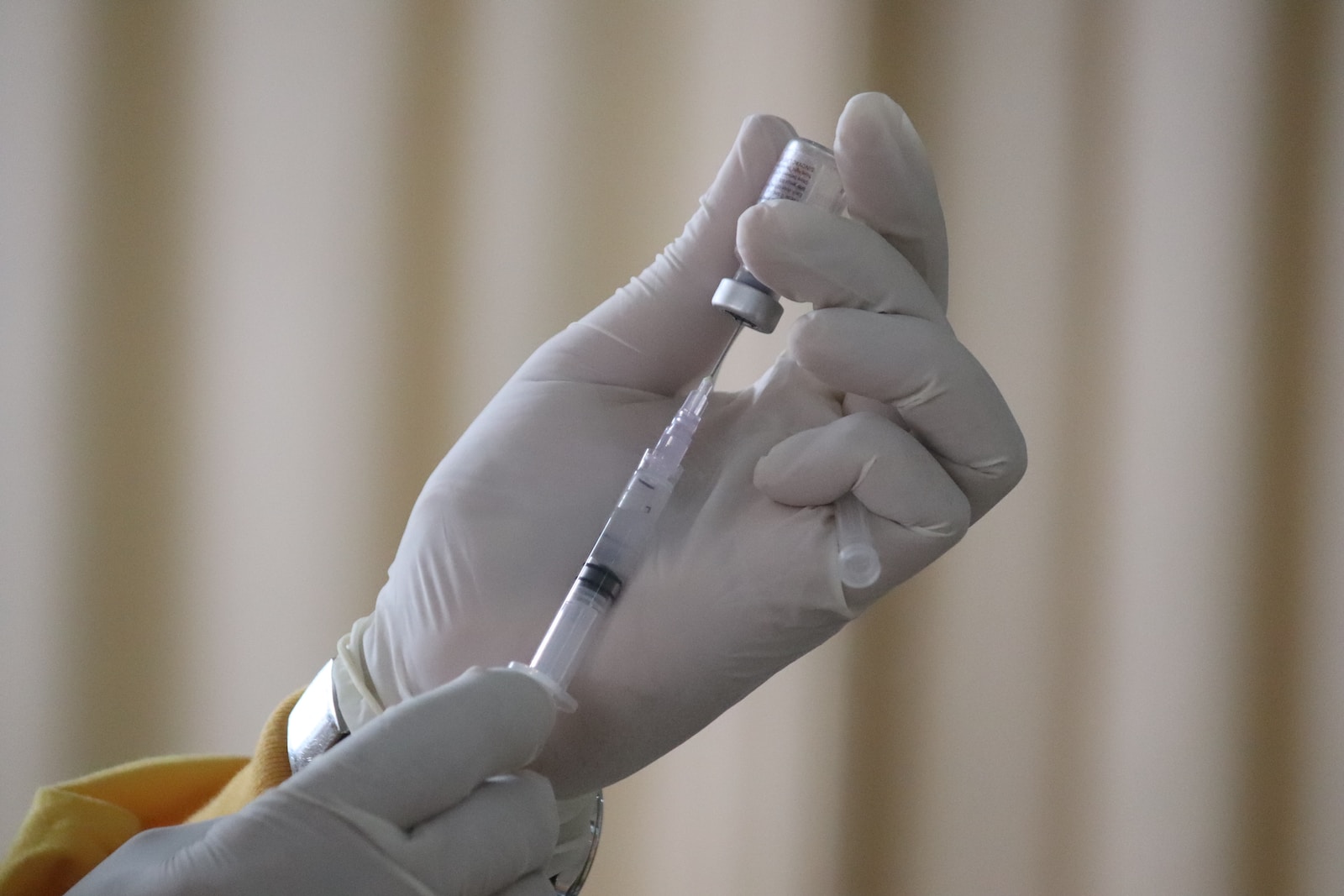
Vaccines play a crucial role in safeguarding public health by preventing the spread of infectious diseases. They work by stimulating the immune system to recognize and defend against specific pathogens. Understanding how vaccines develop immunity is essential for comprehending their effectiveness.
How Does One Develop Immunity Through Vaccines?
Understanding the Process of Developing Immunity
1. Introduction to Vaccines
Vaccines are biological preparations that contain weakened or inactivated forms of disease-causing microorganisms, such as bacteria or viruses, or parts of these microorganisms. They are designed to mimic the natural infection process while posing minimal risk to the recipient.
2. Priming the Immune System
When a person receives a vaccine, it introduces the harmless components of the pathogen into their body. These components, known as antigens, trigger an immune response. The immune system recognizes the antigens as foreign invaders and initiates a series of steps to eliminate them.
3. Activation of the Immune Response
Upon encountering the antigens in the vaccine, the immune system’s white blood cells, particularly specialized cells called B cells and T cells, spring into action. B cells produce antibodies that bind to the antigens, neutralizing them and preventing their entry into cells.
4. Memory Cells Formation
One of the most important aspects of developing immunity through vaccines is the formation of memory cells. After the initial immune response, some B and T cells differentiate into memory cells. These cells “remember” the specific antigens encountered during vaccination.
5. Rapid Response to Future Infections
In case of subsequent exposure to the actual pathogen, the memory cells recognize the antigens quickly and trigger a rapid and robust immune response. This response is more efficient than the initial response and helps to prevent or limit the spread of the infection.
6. Boosting Immunity through Multiple Doses
In some cases, vaccines require multiple doses to achieve optimal immunity. The primary dose primes the immune system, and subsequent doses, known as booster shots, enhance and prolong the immune response. Boosters help strengthen the memory cells’ ability to recognize and respond to the pathogen.
7. Herd Immunity
Vaccines also play a crucial role in establishing herd immunity, which occurs when a significant portion of a population is immune to a particular disease. When a high percentage of individuals are immunized, the spread of the disease is significantly reduced, protecting those who are unable to receive the vaccine due to medical reasons or age.
8. Vaccine Effectiveness and Duration of Protection
The effectiveness of a vaccine is determined by its ability to induce a robust immune response and provide long-term protection against the targeted pathogen. Vaccine development involves rigorous testing to ensure safety, efficacy, and the duration of protection.
9. Constant Research and Development
The process of developing immunity through vaccines is an ongoing endeavor. Researchers continually study and monitor the effectiveness and safety of vaccines. They explore new techniques, adjuvants, and delivery methods to improve vaccine development and enhance immune responses.
Conclusion
Vaccines have revolutionized public health by significantly reducing the burden of infectious diseases worldwide. Understanding how vaccines develop immunity is crucial for appreciating their importance and effectiveness. By priming the immune system, activating immune responses, and forming memory cells, vaccines provide a defense mechanism that allows the body to recognize and combat specific pathogens. Continued research and development in vaccine technology are essential for enhancing immunity, improving vaccine effectiveness, and protecting global health.
In conclusion, vaccines are powerful tools that help individuals and communities build immunity against infectious diseases. By stimulating the immune system and promoting the formation of memory cells, vaccines provide long-lasting protection and contribute to herd immunity. The ongoing research and development in vaccine science further ensure the effectiveness and safety of vaccines, promoting public health worldwide.


