
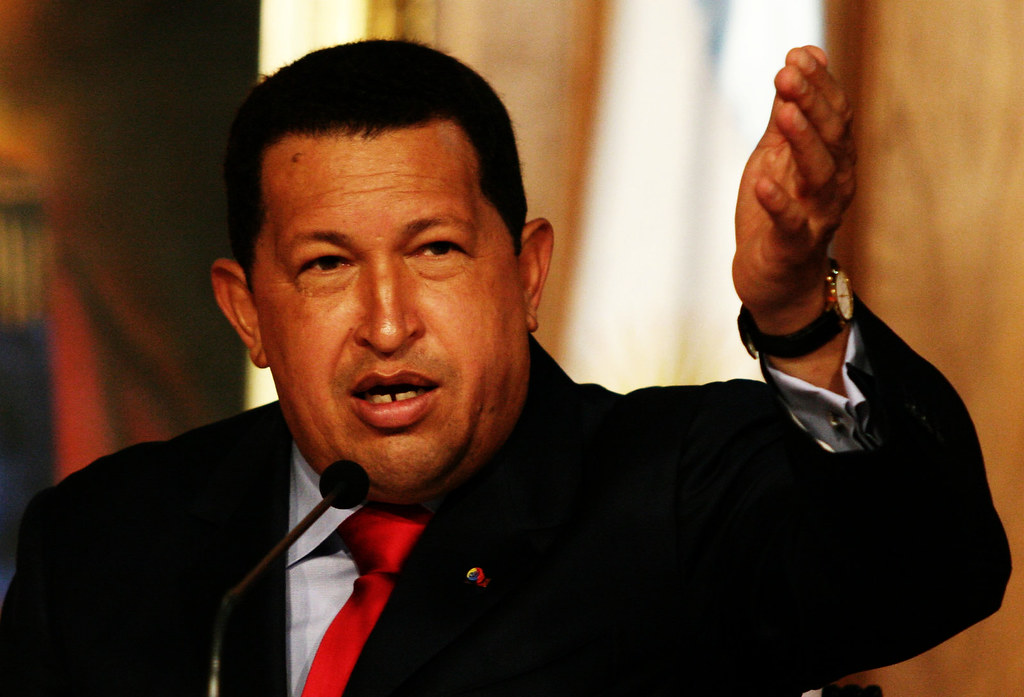
Evaluating Cuba’s Relationship with Venezuela Under Hugo Chavez
Cuba and Venezuela share a long and complex history, particularly under the presidency of Hugo Chavez. Since the late 1990s, Cuba and Venezuela have maintained a strong political and economic relationship, with Cuba being one of Venezuela’s most important allies. In this article, we will evaluate the nature of Cuba’s relationship with Venezuela under Hugo Chavez, analyzing the factors that drove their cooperation and the impact that this relationship had on both countries.
Historical Background
The close relationship between Cuba and Venezuela began in the late 1990s when Hugo Chavez came to power in Venezuela. Chavez, a self-proclaimed socialist, sought to form alliances with other leftist governments in the region, including Cuba. The two countries shared a common ideology and a history of opposition to U.S. intervention in the region.
At the time, Cuba was facing a severe economic crisis, and Venezuela offered a lifeline by providing cheap oil to the country. In exchange, Cuba sent doctors, teachers, and other professionals to Venezuela to help with social programs. This arrangement became known as the “oil for doctors” program and became a cornerstone of the relationship between the two countries.
Political Cooperation
Cuba and Venezuela’s relationship went beyond just economic cooperation. The two countries formed a political alliance based on shared ideals, such as opposition to U.S. imperialism and support for socialist policies. Hugo Chavez saw Fidel Castro as a mentor and openly expressed his admiration for the Cuban Revolution. In turn, Castro saw in Chavez a leader who shared his vision for a more just and equitable world.
Cuba provided ideological and practical support to the Venezuelan government, with Cuban advisors helping to establish social programs and offering guidance on issues such as healthcare and education. In return, Venezuela provided Cuba with much-needed resources, including oil and other goods.
The two countries also worked closely together on regional issues. They formed the Bolivarian Alliance for the Peoples of Our America (ALBA), a regional integration initiative aimed at promoting cooperation among Latin American and Caribbean countries. ALBA’s founding principles were based on solidarity, cooperation, and respect for national sovereignty, and it was seen as a counterbalance to U.S. influence in the region.
Economic Impact
Cuba’s relationship with Venezuela had a significant economic impact on both countries. For Cuba, the “oil for doctors” program provided a vital source of energy that helped to stabilize the country’s economy. It also allowed Cuba to export its social programs, such as healthcare and education, to other countries in the region, boosting its international profile.
For Venezuela, the relationship with Cuba provided a way to export its socialist ideals to the region. It also helped to establish Venezuela as a leader in the region and increased its influence in international organizations such as the United Nations.
However, the relationship was not without its challenges. The economic crisis in Venezuela in recent years has strained the relationship, as Cuba has become increasingly dependent on Venezuelan oil. The political crisis in Venezuela has also had an impact, as Cuba has been forced to take a more neutral position in the conflict between the government and the opposition.
Conclusion
The relationship between Cuba and Venezuela under Hugo Chavez was a complex and multifaceted one, based on shared political ideals and economic cooperation. The two countries formed a close alliance that allowed them to promote their shared vision of a more just and equitable world. However, the relationship also faced challenges, particularly in recent years, as economic and political crises have strained the ties between the two countries.
Overall, Cuba’s relationship with Venezuela under Hugo Chavez was a significant chapter in the history of both countries, with far-reaching consequences for their political, economic, and international relations. It remains to be seen how the relationship will evolve in the future, particularly given the ongoing political and economic challenges facing both countries.
In conclusion, evaluating Cuba’s relationship with Venezuela under Hugo Chavez requires an analysis of the historical background, political cooperation, and economic impact of their alliance. Despite the challenges they faced, their relationship was based on shared ideals of socialism and anti-imperialism, and it had a significant impact on the two countries and the region as a whole.


