
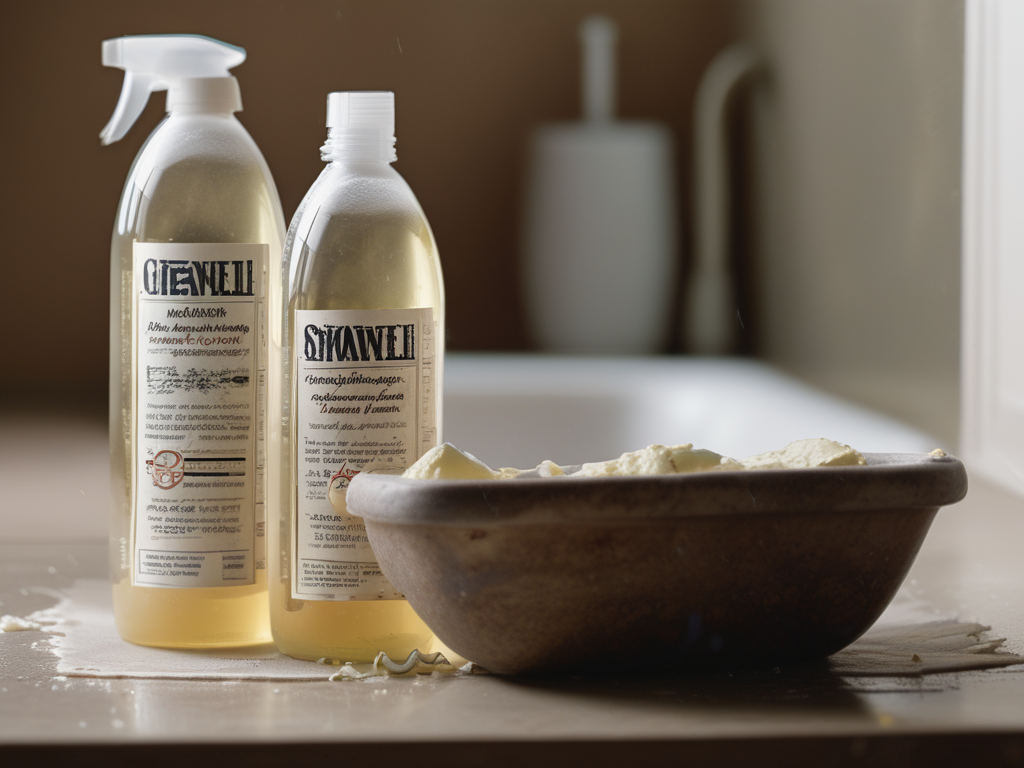
Anyone who’s battled soap scum knows it can feel like you’re up against the final boss in a video game. The thick, stubborn residue clings to shower doors, tiles, and bathtubs, turning your peaceful bathroom into a frustrating battlefield. But getting rid of soap scum doesn’t have to be an epic struggle. With some simple household ingredients and a bit of elbow grease, you can conquer this common bathroom nuisance easily and effectively. In this post, we’ll explore practical methods to eliminate soap scum without feeling overwhelmed, leaving your bathroom sparkling clean and stress-free.
Understanding Soap Scum
Soap scum is that pesky, white or grayish film that builds up on your shower doors, tiles, and tubs. It can be really stubborn, making cleaning feel like battling a final boss in a video game. But what exactly is soap scum, and why does it form?
What Is Soap Scum?
Soap scum is a chalky, firm deposit that forms in bathrooms. It appears mostly on shower walls, doors, tubs, and even faucets. Soap scum combines a few surprising elements:
- Soap Residue: The leftover bits from various soap products.
- Minerals: Usually calcium and magnesium from hard water.
- Body Oils and Dirt: Residue from our skin that mixes with the soap and minerals.
How Does Soap Scum Form?
The formation of soap scum is a chemical reaction. When soap with fatty acids mixes with minerals like calcium and magnesium found in hard water, it creates calcium stearate or “calcium soap.” This compound does not dissolve in water, leading to that filmy residue. Think of it as a magnet slowly pulling in soap particles, minerals, and body oils to build up over time.
Why Is Soap Scum a Common Issue?
Soap scum is widespread in homes for several reasons:
- Hard Water: Most homes have hard water, which contains high levels of calcium and magnesium.
- Frequent Use: Showers and baths are used every day, causing constant soap and water interaction.
- Poor Ventilation: Bathrooms often lack proper ventilation, making it easier for soap scum to cling and build up.
Keeping your bathroom free of soap scum can seem like a never-ending battle. But understanding what it is and how it forms can make the fight a bit easier.
Why Traditional Cleaning Methods Fail
Cleaning soap scum can feel like battling an unbeatable video game boss. Many traditional cleaning methods fall short in tackling this stubborn residue. Here’s why:
Ineffective Cleaners
Water Alone: Plain water doesn’t cut it with soap scum. It might rinse away some loose dirt, but the sticky blend of soap residue and minerals in the scum remains intact.
Basic Soap Products: Ironically, using regular soap to clean soap scum doesn’t work. The same ingredients causing the buildup are present in most basic soaps, making the problem worse.
Scrubbing Techniques
Over-Scrubbing: You might think scrubbing harder will help, but it often doesn’t. Soap scum is a firm, chalky residue that adheres tightly to surfaces. Over-scrubbing can damage tiles and glass without removing the scum.
Wrong Tools: Using the wrong tools like metal brushes or hard sponges can scratch surfaces. These tools can also push the soap scum around without effectively removing it.
Chemical Cleaners
Harsh Chemicals: Many people turn to strong chemical cleaners. While they may dissolve soap scum, they can release fumes that are harmful to breathe. These cleaners can also lead to skin irritation and environmental issues.
Ineffective Formulas: Not all chemical cleaners are powerful enough to break down the soap scum. Many products are more suited for lighter cleaning tasks, leaving you with unsatisfactory results.
Homemade Solutions
- Vinegar and Baking Soda: While these are popular DIY solutions, they often need multiple applications and intense scrubbing. The acidity in vinegar can help dissolve some of the minerals, but it doesn’t always tackle the fatty acids in soap.
Hard Water Minerals
Mineral Buildup: Soap scum is especially stubborn in areas with hard water. The minerals in the water react with soap, creating a thick, white residue. Traditional methods often don’t address the root cause—these mineral deposits.
Inconsistency: Water softness varies, and so does the effectiveness of any cleaning method. What works in one home may not work in another with different water quality.
Traditional methods fail because they don’t address the complex makeup of soap scum. It’s a tough mix of soap oils, skin cells, and minerals that requires more than elbow grease and basic cleaners.
Effective Home Remedies for Soap Scum
Getting rid of soap scum can feel like an epic battle, but it doesn’t have to be. There are simple and effective home remedies that can help you win this clean-up game. Here are three tried-and-true methods that can make a significant difference.
Vinegar and Dish Soap Solution
A mixture of vinegar and dish soap is a powerful ally against soap scum. Here’s how to make it:
Ingredients:
- 1 cup white vinegar
- 1 cup dish soap (Dawn works great)
Instructions:
- Heat the vinegar: Warm the vinegar in the microwave for about 30 seconds. This helps to enhance its cleaning power.
- Combine with dish soap: Pour the heated vinegar into a spray bottle.
- Mix well: Add the dish soap to the spray bottle with the vinegar.
- Shake gently: Give the bottle a gentle shake to mix the ingredients.
Application:
- Spray the solution: Generously spray the vinegar and dish soap mixture on the soap scum-affected areas.
- Let it sit: Allow the solution to sit for about 15 minutes.
- Scrub and rinse: Using a sponge or cloth, scrub the area to remove the soap scum, then rinse thoroughly with water.
Baking Soda and Vinegar Paste
For more stubborn soap scum, baking soda combined with vinegar creates a powerful paste.
Ingredients:
- 1 cup baking soda
- Enough vinegar to make a paste (about 1/4 to 1/2 cup)
Instructions:
- Mix the ingredients: In a bowl, combine the baking soda with enough vinegar to form a thick paste.
- Stir well: Ensure that the baking soda and vinegar are well mixed.
Application:
- Apply the paste: Spread the paste over the soap scum using a sponge or cloth.
- Wait and scrub: Let it sit for about 10-15 minutes, then scrub the area with a brush or sponge.
- Rinse off: Rinse the area thoroughly with water to remove any residue.
Hydrogen Peroxide Method
Hydrogen peroxide is another effective agent that can handle the toughest soap scum.
Ingredients:
- Hydrogen peroxide
- Baking soda (optional for extra scrubbing power)
Instructions:
- Prepare the peroxide: Pour hydrogen peroxide into a spray bottle.
- Optional step: For an extra boost, you can mix hydrogen peroxide with baking soda to create a scrubbing paste.
Application:
- Spray the solution: Spray the hydrogen peroxide directly onto the soap scum.
- Let it sit: Allow the hydrogen peroxide to sit on the soap scum for about 10 minutes.
- Scrub and rinse: Use a scrub brush or sponge to clean the area, then rinse thoroughly with water.
These home remedies can save you from the frustration and make the process of cleaning soap scum much more manageable. Try these methods and see which one works best for your needs.
Commercial Products to Consider
When it comes to tackling soap scum, having the right products can make a world of difference. Here, we’ll discuss some effective commercial cleaners that will help you rid your bathroom of that stubborn soap scum without feeling overwhelmed.
OxiClean Bathroom Cleaner
OxiClean Bathroom Cleaner is a popular choice for removing soap scum. Its powerful, bleach-free formula uses oxygen-based stain fighters to lift grime, soap scum, and even calcium and lime deposits without the need for harsh scrubbing.
User Tips:
- Spray and Wait: For best results, spray the cleaner generously onto the affected areas and wait for 5-10 minutes. This allows the formula to break down the soap scum.
- Use a Scrub Brush: While the product claims no hard scrubbing is needed, using a light scrub brush can help in areas with thick buildup.
- Rinse Thoroughly: Make sure to rinse the area thoroughly with water to remove all cleaner residue. This helps in preventing any potential streaking or residue buildup.
Specialized Soap Scum Removers
There are many specialized products available that focus specifically on removing soap scum. These products are formulated to target the unique challenges that soap scum presents, making them highly effective.
Some notable options include:
Scrub Free Total Bathroom Cleaner Plus OxiClean
- Effectiveness: Highly praised for its ease of use and effectiveness against soap scum and hard water stains.
- Pros: No need for rigorous scrubbing, cuts through soap scum quickly.
- Cons: May require multiple applications for extremely thick layers.
RMR Xtreme Soap Scum Remover
- Effectiveness: Fast-acting and powerful, this cleaner tackles tough soap scum without the need for repeated applications.
- Pros: Heavy-duty cleaning power, simple to use.
- Cons: Strong chemical smell, may be harsh on sensitive skin if not used with gloves.
MARBLELIFE Soap Scum Remover
- Effectiveness: Especially useful for delicate surfaces like marble and tile, this cleaner is formulated to remove soap scum without damaging the surface.
- Pros: Gentle yet effective, perfect for high-end bathroom materials.
- Cons: Typically more expensive than generic cleaners.
Using these specialized products can save you time and effort while ensuring your bathroom stays spotless. Whether you prefer the reliability of OxiClean or the targeted power of other specialized removers, there’s a solution out there to fit your needs.
Preventing Soap Scum Build-Up
Soap scum can be a real nuisance, but there are several ways to prevent it from forming in the first place. By incorporating some simple routines and making thoughtful choices about the products you use, you can keep your shower sparkling clean without the hassle.
Regular Cleaning Routines
Keeping soap scum away starts with a consistent cleaning schedule. Regular maintenance prevents build-up and makes deep cleaning less labor-intensive.
- Daily: After each shower, take a minute to rinse off the walls, doors, and tub with clean water. This quick rinse washes away soap residue before it has a chance to dry and form scum.
- Every Few Days: Use a squeegee or a microfiber cloth to wipe down the shower surfaces. Removing excess water helps avoid water stains and soap scum.
- Weekly: Invest a little time each week to use a mild bathroom cleaner or a mixture of white vinegar and water. Spray the solution onto surfaces, let it sit for a few minutes, then wipe it clean. This routine keeps soap scum and mildew at bay.
- Monthly: Do a thorough cleaning once a month. Use a more potent soap scum remover to tackle any stubborn spots. Scrub the surfaces, paying special attention to corners and grout lines.
By sticking to these routines, you’ll keep soap scum under control and maintain a cleaner shower environment.
Choosing the Right Soap and Shower Products
The type of soap and shower products you use can significantly impact soap scum build-up. Here are some tips on choosing the right products:
- Switch to Liquid Soap or Shower Gel: Traditional bar soaps often contain talc and paraffin, which leave a residue that contributes to soap scum. Liquid soaps, body washes, and shower gels tend to be less problematic because they contain cleansing agents that don’t stick as much.
- Look for Ingredients like Tetrasodium EDTA: Many liquid soaps and shampoos include ingredients like Tetrasodium EDTA, which helps prevent minerals in the water from binding with soap and forming scum.
- Consider Glycerin Soaps: If you prefer bar soap, opt for glycerin-based soaps. They produce less residue and are less likely to form soap scum.
- Avoid Excess Products: Using too many products, such as multiple conditioners and creams, can increase residue. Stick to the essentials and rinse thoroughly to minimize build-up.
- Epsom Salts in Baths: Adding Epsom salts to your bath can help take soap residue down the drain, preventing it from sticking to surfaces.
By making mindful choices about the products you use, you can reduce soap scum and keep your shower cleaner longer.
Conclusion
Getting rid of soap scum doesn’t have to feel like a tough battle. The most effective methods include using household staples like vinegar and baking soda. Mix equal parts in a spray bottle, spray the affected area, let it sit for a few minutes, then scrub away. Another good combo is vinegar and dish soap.
For a tougher approach, ammonia and a razor can help scrape off hardened scum. However, prevention is key. A quick rinse after each shower and using a squeegee can stop soap scum from forming. Keep it simple, stay consistent, and enjoy a scum-free bathroom.


