
Bird identification can be challenging, but one of the best ways to recognize a bird is by observing its flight pattern. A bird’s flight can reveal its size, shape, and behavior, making it a useful tool for birdwatchers. By understanding the basic types of bird flight patterns and their associated characteristics, birders can easily identify many species in the field. In this article, we will explore how to identify birds based on their flight patterns.
How to Identify Birds Based on Their Flight Patterns
Types of Bird Flight Patterns
There are many types of bird flight patterns, and each type is associated with specific physical and behavioral characteristics. Here are some of the most common flight patterns:
Direct Flight: A direct flight is characterized by continuous flapping of wings, without any gliding or hovering. Birds with a direct flight, such as sparrows and finches, typically have short, rounded wings and a stocky body shape.
Undulating Flight: An undulating flight is marked by a series of rises and falls as the bird flaps its wings. Birds with an undulating flight, such as woodpeckers and nuthatches, often have a short, square tail and a strong, sturdy body.
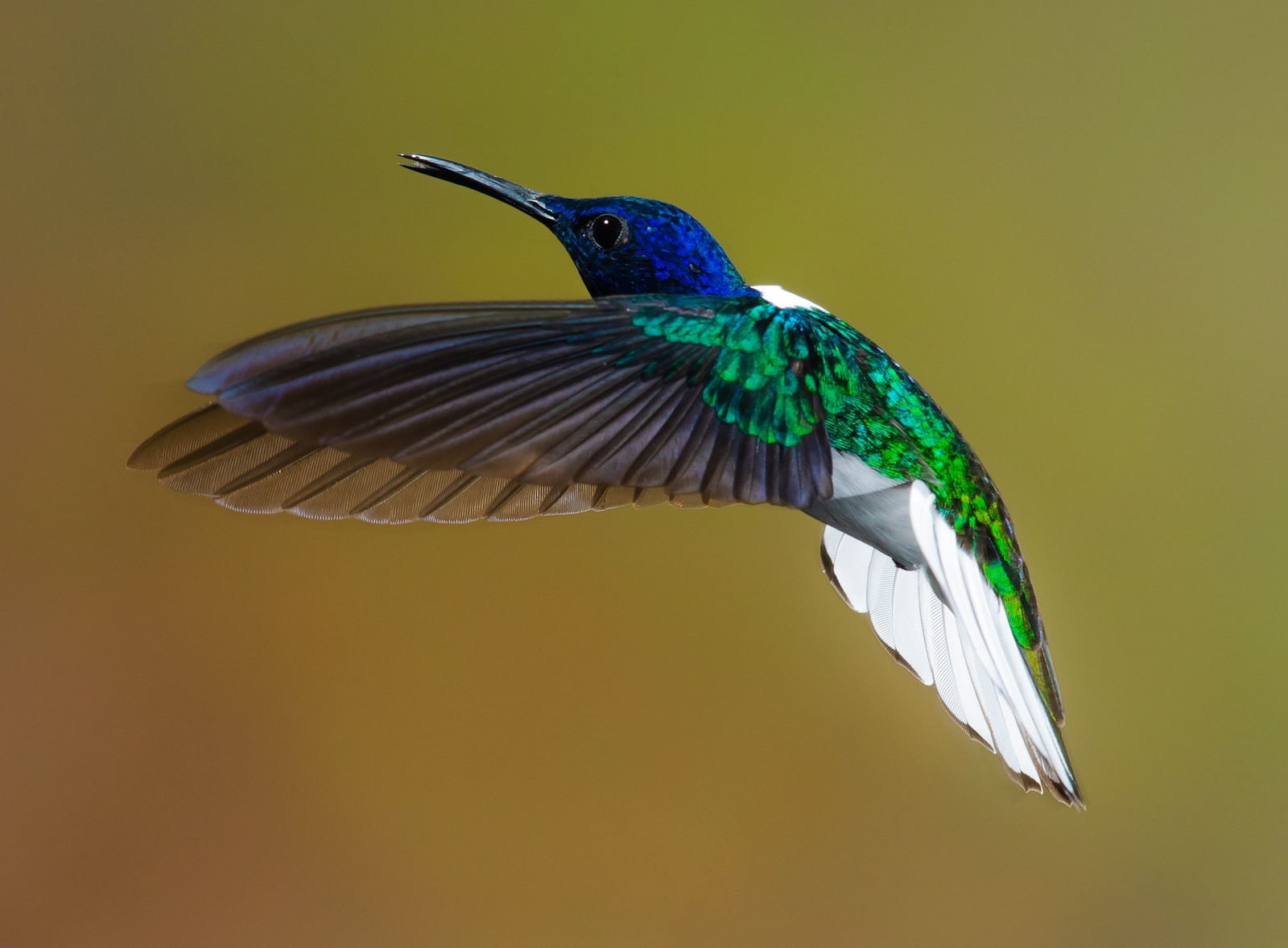
Hovering Flight: A hovering flight is when a bird remains in one place in the air by rapidly flapping its wings. Hummingbirds are well-known for their hovering flight, but other birds such as kestrels and kingfishers also have this ability. Birds with a hovering flight typically have long, narrow wings and a streamlined body.
Soaring Flight: Soaring is when a bird glides through the air without flapping its wings. This type of flight is common among birds of prey, such as eagles and hawks. Birds with a soaring flight typically have long, broad wings and a streamlined body shape.
How to Identify Birds Based on Their Flight Patterns
Now that we’ve covered the different types of bird flight patterns, let’s discuss how to use them for bird identification. The first step is to observe the bird’s flight and take note of its behavior. Here are some tips for identifying birds based on their flight patterns:
Direct Flight: Birds with a direct flight often fly in a straight line, without changing direction or altitude. They may make short, quick turns, but these are not as pronounced as the turns made by birds with other flight patterns. Look for birds with a stocky body, rounded wings, and rapid wing beats.
Undulating Flight: Birds with an undulating flight pattern often fly in a wavy, up-and-down motion, resembling a rollercoaster ride. They may also fly in a series of short, level flights, interrupted by brief periods of hovering. Look for birds with a sturdy body, short square tail, and rapid wing beats.
Hovering Flight: Birds with a hovering flight pattern remain stationary in the air by rapidly flapping their wings. They may also move backward, forward, or sideways in the air. Look for birds with a long, narrow body, and a streamlined shape. These birds will also have rapid wing beats and may appear to vibrate in mid-air.
Soaring Flight: Birds with a soaring flight pattern glide through the air without flapping their wings. They often soar in circles or spirals, using rising currents of warm air to stay aloft. Look for birds with long, broad wings and a streamlined body shape. These birds will also have a pronounced V-shape in their wings and will appear to glide effortlessly through the air.
Conclusion
In conclusion, identifying birds based on their flight patterns can be challenging but rewarding for birdwatchers. By understanding the various factors that influence flight patterns, such as wing shape, body size, and behavior, birdwatchers can improve their ability to recognize different species in the air. It is also important to be patient, observant, and to use field guides or online resources to supplement one’s knowledge. With practice, birdwatchers can become skilled at identifying birds in flight and enjoy a deeper appreciation for the beauty and diversity of the avian world.


