
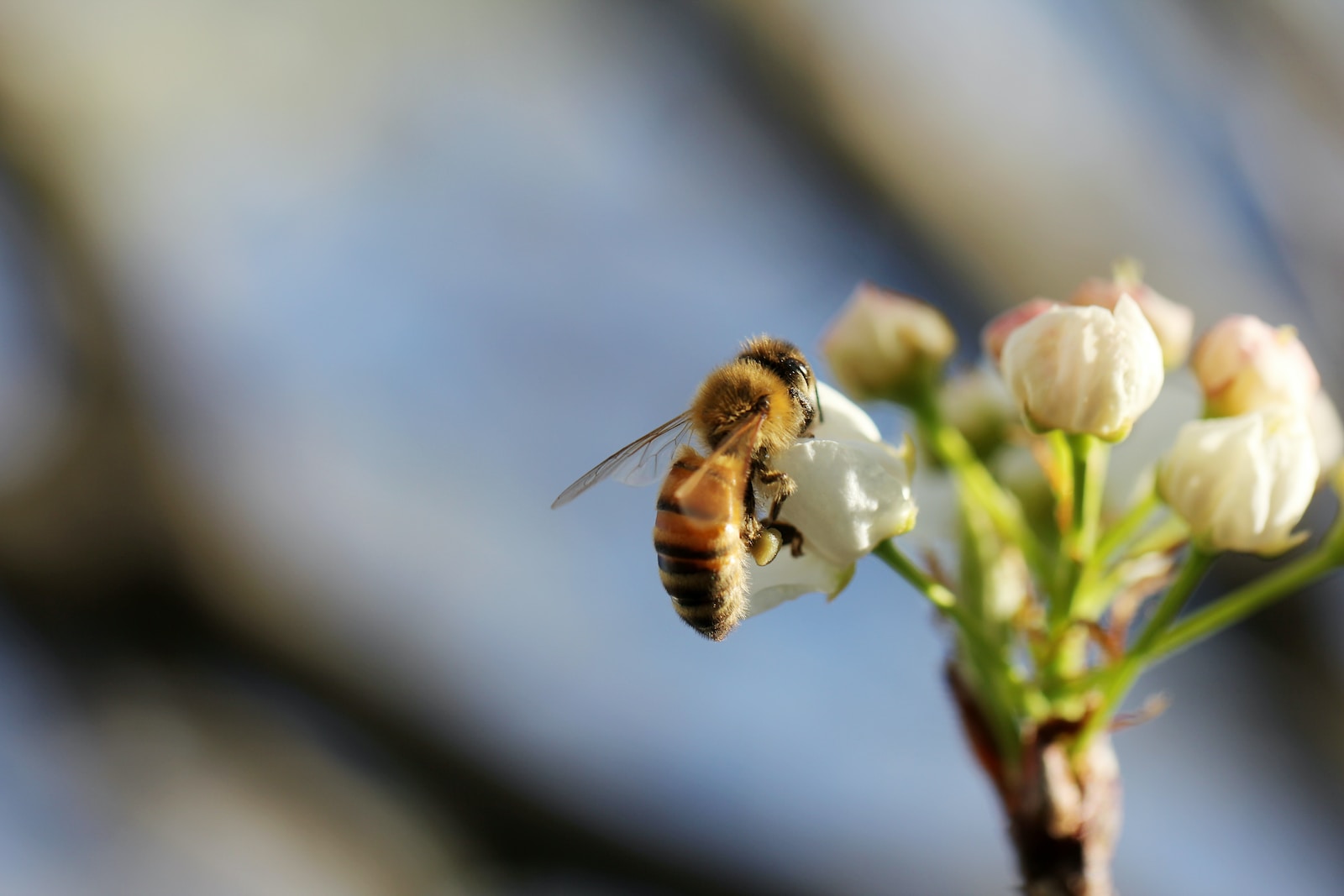
Incorporating native plants in your garden is not only aesthetically pleasing but also beneficial for the local ecosystem. Native plants are those that are indigenous to a particular area and have adapted to the climate, soil, and other environmental conditions of that region. They are an essential component of the local ecosystem and provide numerous benefits, including providing habitat for wildlife, promoting biodiversity, and improving soil health.
How to Incorporate Native Plants in Your Garden to Support the Local Ecosystem
Here are some tips for incorporating native plants in your garden to support the local ecosystem:
Research Native Plants in Your Area
The first step in incorporating native plants in your garden is to research the plants that are native to your area. The local garden center or nursery can be a great resource for information about native plants. You can also consult with local conservation organizations or gardening clubs for recommendations.
When selecting native plants, consider their growth requirements, including the amount of sunlight, water, and soil type they need. Also, think about how they will fit into your garden design and the aesthetic value they will add.
Choose Plants That Provide Food and Habitat for Wildlife
Native plants are essential for providing food and habitat for local wildlife, including birds, butterflies, and bees. When selecting plants, choose those that are known to attract and support these creatures. For example, milkweed is a critical host plant for monarch butterflies, and the seeds of the coneflower are an essential food source for goldfinches.
Additionally, consider planting a variety of plants that will provide food and shelter throughout the year. This will help support wildlife during all seasons and encourage biodiversity in your garden.
Avoid Invasive Plants
Invasive plants are those that are not native to a particular region and can outcompete and displace native plants. They can also negatively impact the local ecosystem by disrupting food webs and reducing biodiversity. When selecting plants for your garden, be sure to avoid those that are known to be invasive in your area.
Some common invasive plants to avoid include Japanese knotweed, English ivy, and purple loosestrife. Be sure to check with local conservation organizations for a complete list of invasive plants in your area.
Consider Using Native Plants for Landscaping
Native plants can be used for landscaping to create beautiful and sustainable outdoor spaces. Consider using native plants for the following landscaping features:
- Hedgerows: Hedgerows are rows of shrubs or trees that can be used for privacy or to define property lines. Native plants such as dogwoods, serviceberries, and elderberries can be used to create a beautiful and functional hedgerow.
- Rain gardens: Rain gardens are designed to capture and filter rainwater runoff. Native plants such as black-eyed susans, purple coneflowers, and swamp milkweeds are great choices for rain gardens.
- Pollinator gardens: Pollinator gardens are designed to attract and support pollinators such as bees and butterflies. Native plants such as bee balm, joe-pye weed, and black-eyed susans are perfect for creating a pollinator garden.
Using native plants for landscaping can not only enhance the beauty of your property but also provide numerous benefits for the local ecosystem.
Promote Soil Health
Native plants have adapted to the local soil conditions, making them more resistant to pests and diseases. They can also improve soil health by adding organic matter and improving soil structure. When incorporating native plants in your garden, be sure to add a layer of organic mulch to help retain moisture and suppress weeds.
Additionally, avoid using synthetic fertilizers and pesticides, which can harm beneficial soil organisms and reduce soil health. Instead, use organic fertilizers and practice organic pest control methods, such as using companion planting and releasing beneficial insects.
Maintain Your Native Plant Garden
Maintaining your native plant garden is crucial to its success. Regular care, including watering, fertilizing, pruning, and mulching, can help ensure the health and vitality of your plants. Also, be sure to remove any weeds that may compete with your native plants for nutrients and resources.
It is also essential to monitor your native plant garden for signs of pests and disease. If you notice any issues, consider using organic pest control methods, such as handpicking pests, releasing beneficial insects, or using organic pesticides.
Spread the Word
Once you have established your native plant garden, share your experience and knowledge with others. Encourage your friends, family, and neighbors to incorporate native plants in their gardens and help spread awareness about the importance of native plants for the local ecosystem.
In conclusion, incorporating native plants in your garden is a great way to support the local ecosystem and promote biodiversity. By choosing plants that are adapted to the local environment, you can create a beautiful and sustainable outdoor space that provides food and habitat for wildlife, improves soil health, and reduces the use of synthetic fertilizers and pesticides. So, get out there, do your research, and start incorporating native plants in your garden today!


