
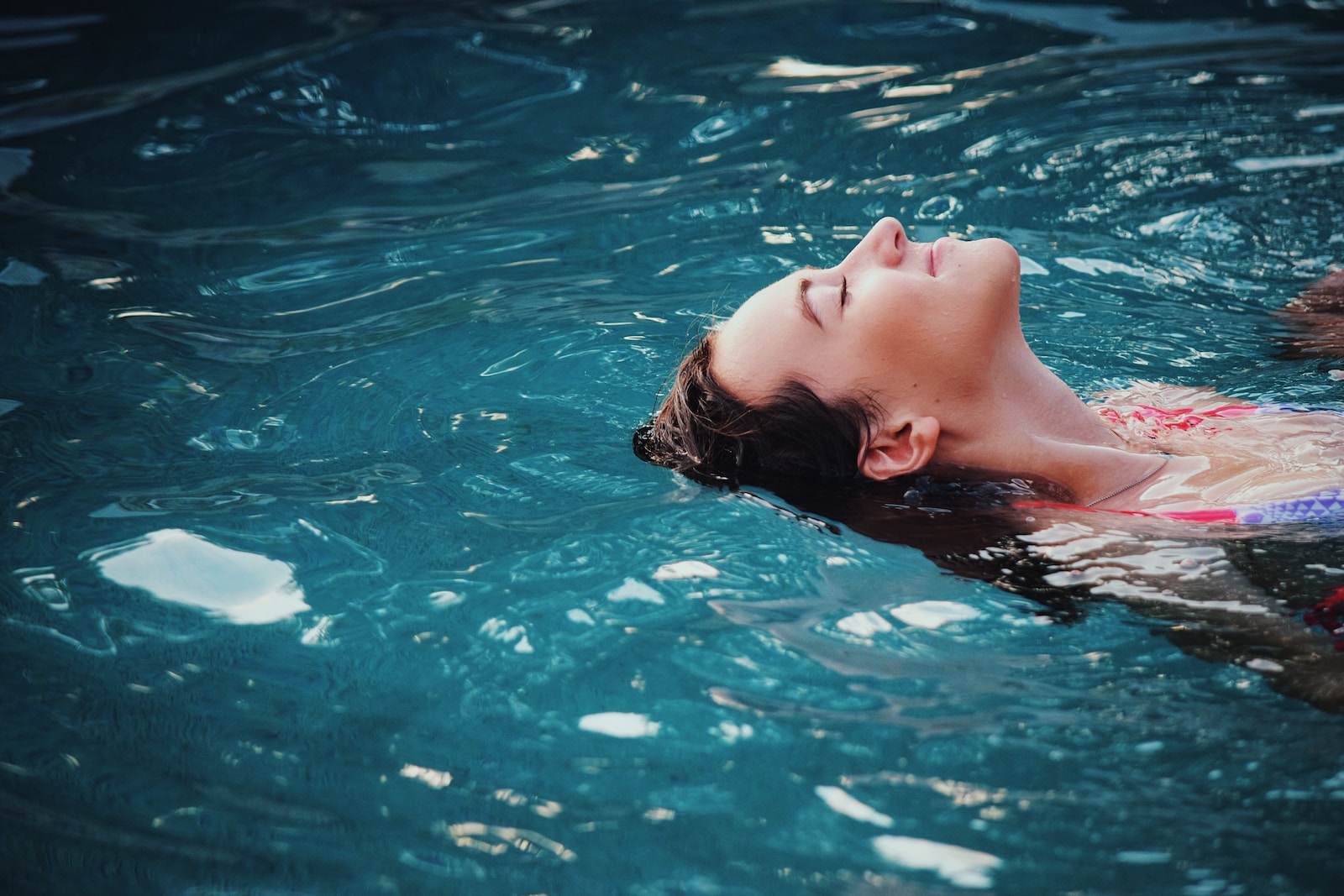
Stress is an inevitable part of daily life, and it’s important to have effective ways to manage it. Relaxation techniques, such as meditation and deep breathing, can be powerful tools for reducing stress and improving overall well-being. But how can you incorporate these techniques into your busy daily routine?
Incorporating Relaxation Techniques into Your Daily Routine
Understanding the Benefits of Relaxation Techniques
Before we dive into the practical tips for incorporating relaxation techniques into your daily routine, it’s important to understand why these techniques are so valuable. Research has shown that regular practice of relaxation techniques can have numerous physical and mental health benefits, including:
- Lowering blood pressure
- Reducing muscle tension and pain
- Improving immune function
- Decreasing symptoms of anxiety and depression
- Enhancing feelings of well-being and happiness
Identifying the Best Relaxation Technique for You
The first step in incorporating relaxation techniques into your daily routine is to identify the technique that works best for you. There are many different relaxation techniques to choose from, including:
- Meditation
- Deep breathing
- Progressive muscle relaxation
- Visualization
- Yoga
- Tai chi
Experiment with different techniques to see which one resonates with you the most. It’s important to choose a technique that you enjoy and find easy to practice regularly.
Creating a Regular Practice
Once you’ve identified the relaxation technique that works best for you, the next step is to create a regular practice. Start small, with just a few minutes each day, and gradually increase the amount of time you spend practicing.
It’s also helpful to establish a regular time and place for your practice. This could be first thing in the morning, during your lunch break, or before bed. Choose a location that is quiet and free from distractions.
Incorporating Relaxation Techniques into Your Daily Activities
One of the easiest ways to incorporate relaxation techniques into your daily routine is to combine them with activities you already do regularly. For example, you could practice deep breathing while you’re waiting in line, or meditate for a few minutes before starting your workday.
Another way to incorporate relaxation techniques into your daily routine is to take short breaks throughout the day to practice. Even just a few minutes of deep breathing or meditation can help to reduce stress and improve focus.
Making Relaxation a Priority
Finally, it’s important to make relaxation a priority in your daily life. It’s easy to get caught up in the busyness of daily life and forget to take care of yourself. But taking a few minutes each day to practice relaxation techniques can have a big impact on your overall health and well-being.
Consider adding relaxation techniques to your to-do list, just like you would any other important task. Set reminders on your phone or computer to help you remember to practice. And most importantly, give yourself permission to prioritize your own well-being.
When to Seek Professional Help
While relaxation techniques can be helpful for managing stress and improving overall well-being, they may not be enough for everyone. If you are experiencing severe physical symptoms or are struggling with anxiety or depression, it’s important to seek professional help.
A mental health professional can help you develop a personalized plan for managing stress and improving your overall well-being. They may recommend additional techniques, such as cognitive-behavioral therapy or medication, to help you manage your symptoms.
Conclusion
Incorporating relaxation techniques such as meditation and deep breathing into your daily routine can help reduce stress and improve overall wellbeing.
While it may take some time to learn and develop these techniques, the benefits can be profound. By taking just a few minutes each day to practice deep breathing or meditation, you can improve your physical and mental health, and reduce the impact of stress on your life.
Remember that there is no one-size-fits-all approach to relaxation techniques. It’s important to find the techniques that work best for you and your lifestyle, and to make them a consistent part of your daily routine. With practice and patience, you can develop the tools you need to manage stress, improve your overall wellbeing, and live a healthier, happier life.


