
Middle Eastern art is renowned for its rich cultural heritage and profound symbolism. From ancient civilizations to modern-day artists, the region has produced a plethora of artworks that communicate deep meanings and narratives through symbolic representations. Understanding and interpreting the symbolism in Middle Eastern art can offer valuable insights into the history, culture, and spiritual beliefs of the region. In this article, we will delve into the methods and approaches one can employ to decipher the symbolism found in these captivating artworks.
Interpreting Symbolism in Middle Eastern Art: Exploring Meaning and Context
Understanding Cultural Context
To interpret the symbolism in Middle Eastern art accurately, one must first comprehend the cultural context in which the artwork was created. Middle Eastern art draws heavily from religious, historical, and mythological sources, with strong influences from Islam, Judaism, Christianity, and ancient civilizations such as Mesopotamia, Egypt, and Persia. Familiarizing oneself with the region’s history, religious beliefs, and cultural traditions will provide a solid foundation for deciphering the symbols within the artwork.
Analyzing Universal Symbols
While Middle Eastern art contains unique symbols specific to its cultural heritage, it also incorporates universal symbols that transcend geographical boundaries. For instance, the use of light often symbolizes enlightenment, divine presence, or spiritual awakening. The depiction of birds can represent freedom, transcendence, or divine messengers. Flowers and plants often symbolize beauty, growth, and regeneration. By recognizing these universal symbols, one can begin to unravel the broader messages and themes conveyed by Middle Eastern artists.
Exploring Religious and Mythological Symbols
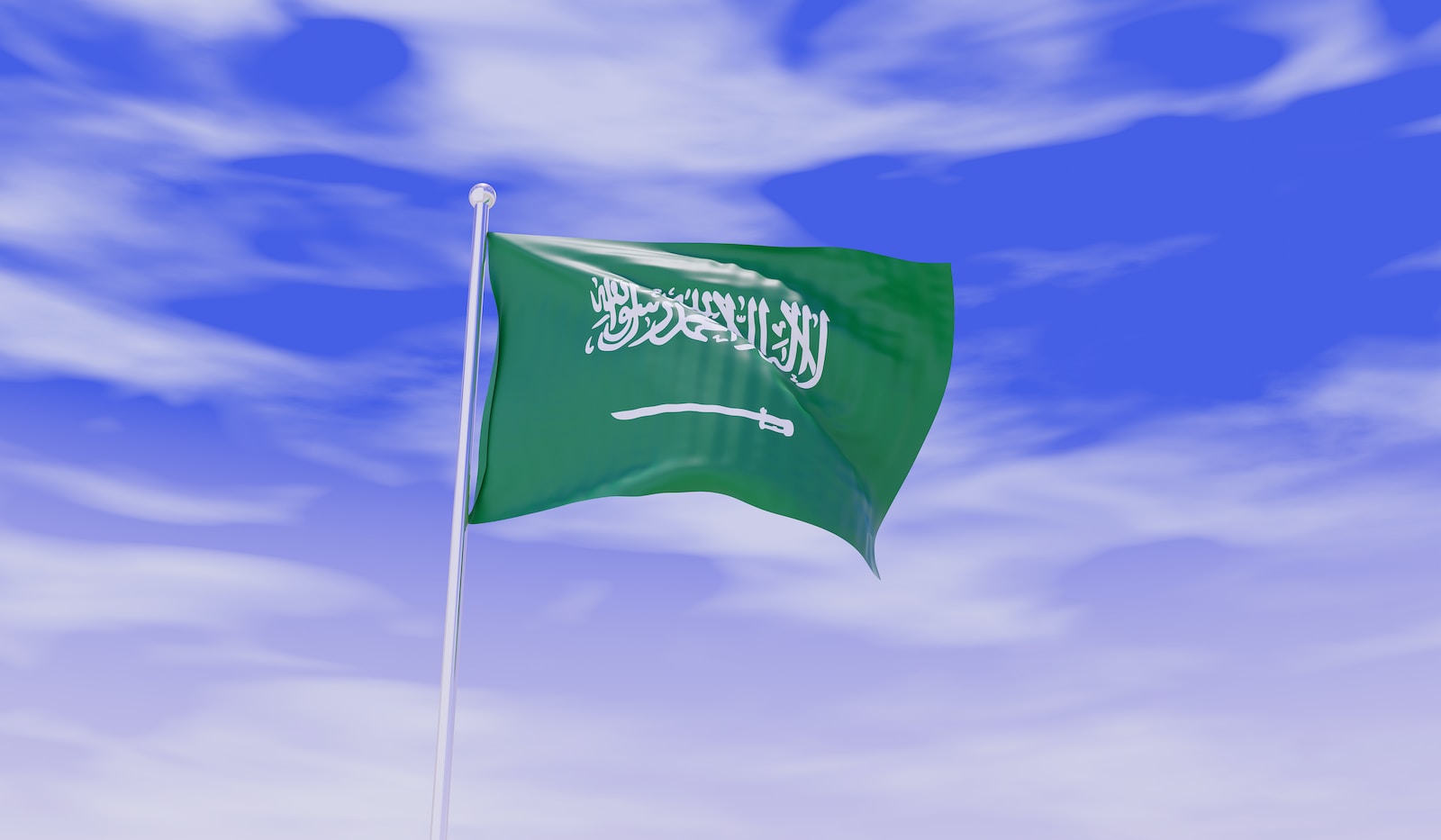
Religion plays a significant role in the symbolism of Middle Eastern art, particularly Islamic art. Islamic calligraphy, for example, not only serves as a decorative element but also carries profound spiritual meanings. The Arabic script, often quoting verses from the Quran, can represent the word of God and evoke a sense of reverence and devotion.
Furthermore, certain recurring motifs in Middle Eastern art hold specific religious or mythological connotations. The image of a lion, for instance, is often associated with power, strength, and leadership, reflecting its symbolic significance in Islamic and Persian cultures. The peacock, with its striking colors and elegant feathers, is frequently portrayed in Middle Eastern art as a symbol of beauty, immortality, and spirituality.
Deciphering Political and Social Symbols
Middle Eastern art is not limited to religious and mythological symbolism. It also reflects the socio-political climate of the region. Artists often use symbols to comment on contemporary issues, express dissent, or advocate for social change. For example, the depiction of broken chains or shackles can symbolize liberation from oppression and the fight for freedom. Images of hands reaching out or people standing together may represent unity, solidarity, and resistance against injustice.
Considering Geographical Influences
Geography and natural elements also play a significant role in Middle Eastern art symbolism. The desert, for instance, is a prevalent motif that represents both the harshness and the spiritual solitude found in the region. Mountains and rivers can symbolize stability, strength, and life-giving forces. By understanding the geographical context and the relationship between the land and its inhabitants, one can gain a deeper appreciation of the symbols used in Middle Eastern artworks.
Engaging with Artists and Art Critics
One of the most valuable resources for interpreting Middle Eastern art symbolism is engaging with artists and art critics from the region. Their insights, knowledge, and personal experiences can provide unique perspectives on the symbols employed in the artworks. Conversations, interviews, and reading articles or books by experts in the field can expand one’s understanding of the symbolism and enhance the interpretation of Middle Eastern art.
Conclusion
Interpreting the symbolism in Middle Eastern art requires a multidimensional approach that considers cultural context, religious and mythological symbols, socio-political influences, geographical elements, and engagement with artists and critics. By delving into these various facets, one can unravel the intricate layers of meaning within Middle Eastern artworks. The exploration of symbolism not only enhances our appreciation for the art but also deepens our understanding of the history, culture, and beliefs of the Middle Eastern region.


