
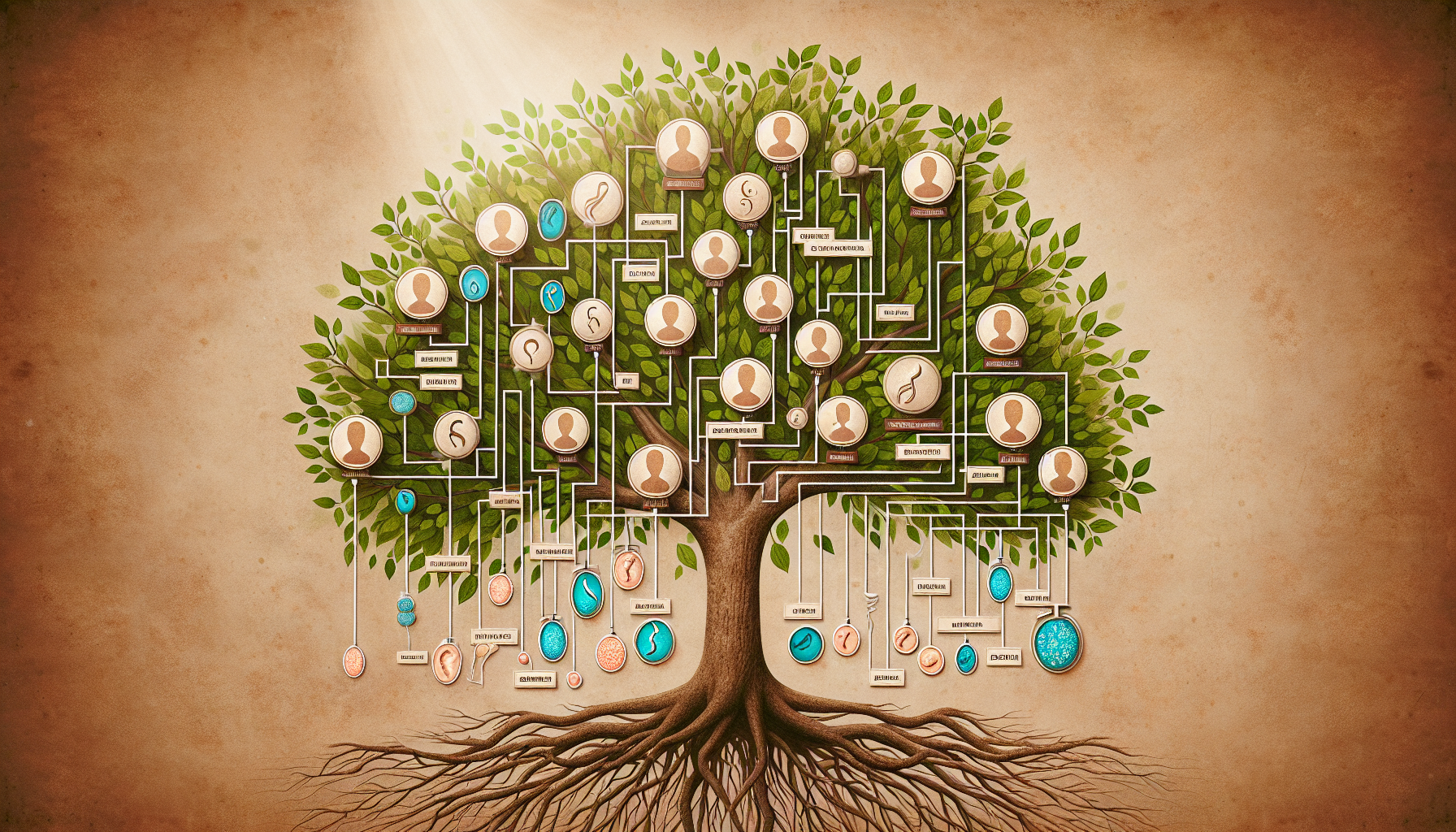
Creating a family tree is a cherished activity that helps individuals understand their lineage, heritage, and connections. However, when the branches of your family tree involve cryogenic storage and donor conception, the process can become more complex and nuanced. This guide will walk you through the steps to construct a family tree that accurately and respectfully includes these unique elements.
Understanding the Basics
Defining Cryogenic Storage and Donor Conception
Cryogenic storage refers to the preservation of sperm, eggs, or embryos at extremely low temperatures for future use in assisted reproductive technologies (ART) such as in vitro fertilization (IVF). Donor conception involves the use of donor sperm, eggs, or embryos to help individuals or couples conceive a child. These methods can lead to the creation of biological relationships that differ from traditional family structures.
The Importance of Inclusivity
When constructing a family tree that includes donor conception, it is crucial to approach the task with inclusivity and sensitivity. Acknowledge the diverse ways families are formed and ensure that all individuals involved feel represented and respected.
Gathering Information
Identifying Key Individuals
Start by identifying all key individuals who play a role in your family tree. This includes not only the direct family members but also donors and any known donor-conceived siblings. Make a list of everyone you need to include, starting with immediate family and then extending to other biological and non-biological connections.
Collecting Documents and Records
Gather documents and records that can provide information about your family history. This might include birth certificates, donor records, and any medical documents related to the cryogenic storage process. If possible, collect information about the donor’s background, as this can add valuable context to your family tree.
Engaging with Family Members
Have open conversations with family members to gather stories, memories, and additional information. Be respectful and sensitive, especially when discussing aspects of the family that involve donor conception. Some family members might find these topics challenging or emotional to discuss.
Designing the Family Tree
Choosing a Format
Decide on the format of your family tree. There are various options, including traditional diagrams, digital tools, and creative formats like scrapbooks or storybooks. Choose a format that best suits your needs and allows for flexibility in representing complex relationships.
Representing Donor Conception
When incorporating donor conception into your family tree, consider using symbols or annotations to distinguish between biological and non-biological connections. For example, you might use dotted lines to represent donor relationships or include footnotes that provide additional context.
Including Cryogenic Storage
If your family tree includes cryogenic storage, you might want to create a special section or annotation that explains this aspect. This can help others understand the unique ways your family was formed and acknowledge the role of technology in your family history.
Tips for Creating a Comprehensive Family Tree
Use Clear and Consistent Symbols
Develop a system of symbols and lines that clearly distinguish between different types of relationships. For example, solid lines can represent direct biological relationships, while dotted lines can indicate donor connections. Ensure that these symbols are used consistently throughout the tree.
Provide Contextual Information
Where necessary, include contextual information that explains the relationships. This can be done through footnotes, legends, or a separate key. Providing context helps others understand the family dynamics and the role of donor conception and cryogenic storage.
Be Respectful and Sensitive
Approach the creation of your family tree with respect and sensitivity. Recognize that discussing donor conception and cryogenic storage can be emotional for some family members. Ensure that everyone feels included and respected in the representation.
Involve Family Members in the Process
Involve other family members in the creation of the family tree. This collaborative approach can help ensure accuracy and completeness and provide an opportunity for family members to share their perspectives and stories.
Celebrate the Uniqueness of Your Family
Embrace the uniqueness of your family and celebrate the diverse ways it was formed. Your family tree is a testament to the various paths that lead to the creation of a family, and it should reflect the love, support, and connections that define your relationships.
Practical Steps to Create Your Family Tree
Step 1: Start with the Basics
Begin with the most straightforward part of your family tree: your immediate family. This includes parents, siblings, and grandparents. Write down their names, birth dates, and any other relevant information.
Step 2: Add Donor Information
Include information about the donor or donors. This might involve creating a separate section or annotation that provides details about the donor’s background. If you have multiple donors in your family, use different symbols or colors to distinguish between them.
Step 3: Incorporate Cryogenic Storage
If cryogenic storage played a role in your family’s conception, create a section that explains this. You might include a timeline that shows when the sperm, eggs, or embryos were stored and used.
Step 4: Extend to Extended Family
Expand your family tree to include extended family members, such as aunts, uncles, cousins, and grandparents. Use the same system of symbols and annotations to maintain consistency.
Step 5: Include Donor-Conceived Siblings
If you have known donor-conceived siblings, include them in your family tree. This might involve creating branches that connect to the donor rather than to your parents. Use footnotes or legends to provide context.
Step 6: Review and Revise
Review your family tree for accuracy and completeness. Ask family members to check the information and provide feedback. Make any necessary revisions to ensure that your family tree accurately reflects your family’s history and relationships.
Step 7: Share with Family Members
Once your family tree is complete, share it with family members. Consider creating copies or digital versions that can be easily distributed. This can be a meaningful way to celebrate your family’s unique history and foster a sense of connection among family members.
Conclusion
Creating a family tree that includes cryogenic storage and donor conception requires careful planning, sensitivity, and a willingness to embrace the unique aspects of your family history. By gathering accurate information, using clear and consistent symbols, and involving family members in the process, you can create a family tree that accurately and respectfully represents your family’s unique journey. Embrace the diversity of your family’s origins and celebrate the connections that make your family special. Your family tree is not just a record of biological relationships; it is a testament to the love, support, and shared experiences that define your family.


