
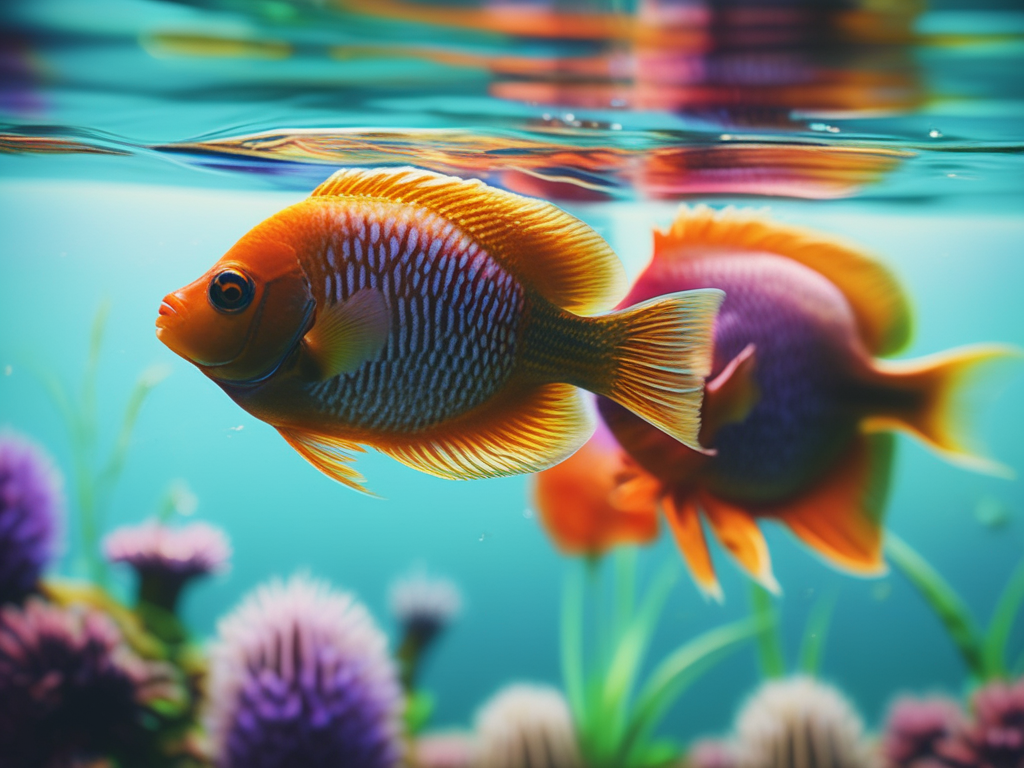
Imagine trying to tell a fish that it’s Saturday and you’re off work. Sounds silly, right? Teaching animals about human concepts is a playful yet intriguing idea. This blog explores this whimsical topic, connecting it with our cherished weekends. Though fish might never grasp the joy of weekends, discussing the concept highlights our unique human experiences. Dive in to see why such discussions are more about us than our finned friends.
Understanding Fish Behavior
Understanding how fish behave can help us explore the idea of whether it’s possible for them to grasp concepts like weekends off. Let’s dive into two key aspects that can shed light on this subject: their cognitive capacities and social structures.
Cognitive Capacities of Fish
Fish are not just swimming automatons; they have brains capable of learning. Numerous studies have shown that fish can learn through conditioning and social interactions. For instance, researchers have conditioned fish to associate a light with food. Over time, the fish learned to swim toward the light in anticipation of a meal. This type of learning demonstrates that fish can create mental associations, a fundamental building block of cognitive ability.
Another fascinating aspect involves problem-solving skills. Some fish species have been observed to use tools. For example, certain wrasses use rocks to crack open shells. This kind of behavior tells us fish can think ahead and plan actions, both important aspects of learning.
Further research has also provided evidence that fish can engage in social learning. Fish like guppies learn from each other, especially when it comes to finding food or avoiding danger. This ability to learn through observation adds another layer to their cognitive capacities, illustrating that fish can process and react to complex information.
Social Structures in Fish
Fish interactions go beyond mere cohabitation; they can form intricate social structures. Schools of fish operate like well-coordinated teams, moving in unison to avoid predators and find food. This kind of social behavior indicates that fish have a sense of awareness about their surroundings and fellow school members.
Some fish species exhibit hierarchical structures within their groups. For example, many cichlids have dominant and subordinate individuals, and these roles can change over time based on various social factors. This hierarchy shows us that fish understand social cues and can adapt their behavior accordingly.
Drawing parallels to human learning, fish can pick up on routines and patterns within their environment. They might not understand the concept of a “weekend,” but they can learn to anticipate feeding times or recognize specific behaviors from their keepers.
In summary, studying the cognitive abilities and social structures of fish helps us appreciate their capacity for learning and adapting. This understanding is crucial for exploring more complex ideas, such as the possibility of fish comprehending something as human as weekends off.
Introducing the Concept of Time to Fish
Fish might not understand the concept of weekends the way we do, but there are ways to introduce them to a sense of time. This section explores how feeding schedules and environmental cues can help fish recognize patterns and routines.
Using Feeding Schedules
Establishing regular feeding times can help fish anticipate events and develop a routine. Just like how we expect lunch at noon, fish can learn to expect food at specific times. This predictability can make them feel more comfortable and secure in their environment.
- Consistency is Key: Feed your fish at the same times every day. Morning and evening feedings work well.
- Observation: Watch how they respond. Do they swim to the top when it’s close to feeding time? This shows they’re learning the schedule.
- Portion Control: Give consistent amounts of food. Overfeeding can stress them out, so stick to a schedule.
By feeding your fish at the same times each day, you’re helping them develop a sense of what to expect and when.
Environmental Cues as Indicators
Fish can also be trained to associate certain activities with environmental changes. Think of it like turning off the lights to signal bedtime.
- Lighting Changes: Adjust the tank’s lighting to mimic natural day and night cycles. This can help fish differentiate between day and night.
- Water Temperature: Slightly alter the water temperature to signal different times. Cooler water in the evening can mimic natural conditions.
- Decor Movements: Move plants or other decorations around the tank. This can signal a “fresh start” to the fish, much like rearranging furniture.
By using these environmental cues, fish can start associating certain changes with specific activities, creating a rudimentary sense of time. This method alongside feeding schedules can help fish become more accustomed to their routines, even if they don’t quite grasp the idea of weekends.
Creating a Weekend Routine
We all enjoy our weekends as a time to unwind and relax. Your fish can also benefit from a little break in their routine. Establishing a weekend routine can create a balanced environment for your aquatic friends. Let’s look at how you can make this happen.
Establishing a Weekly Schedule
Creating a weekly schedule for your fish is the first step. This schedule will help them understand the difference between weekdays and weekends. Here’s a sample schedule to get you started:
Weekdays (Monday – Friday):
- Morning: Turn on aquarium lights, feed fish, check water temperature
- Afternoon: Observe fish behavior, clean any visible debris, perform water quality test if needed
- Evening: Feed fish, check water temperature, turn off aquarium lights
Weekends (Saturday – Sunday):
- Morning: Turn on aquarium lights, check water temperature
- Afternoon: Observe fish behavior, perform minimal maintenance, but no feeding
- Evening: Turn off aquarium lights
This consistent routine helps fish get used to regular feeding times during the week, and a calm, feeding-free weekend.
Implementing Breaks
Just like us, fish can benefit from breaks. Introducing days without feeding or activities mimics the concept of a weekend. Here’s how to implement these breaks:
- Skip Feeding: On weekends, try not feeding your fish. This mirrors their natural habitat where food is not always available daily.
- Reduce Stimulation: Keep the environment calm. Avoid tapping on the glass or introducing new decorations.
- Limited Maintenance: Do basic checks but hold off on major cleaning or water changes. This helps maintain a relaxed atmosphere.
Think of these weekends as a mini-vacation for your fish, giving them time to rest and recharge. It’s like giving them a chance to float in a peaceful pond, free from disturbances.
Implementing these simple steps can help your fish distinguish between weekdays and weekends, ensuring a healthy and balanced life in their aquatic home.
Reinforcement Techniques
Understanding how to communicate with fish may sound challenging, but certain reinforcement techniques can make it easier. By using rewards and monitoring their behavior, we can help fish recognize patterns, such as weekends off. Let’s explore some effective ways to make this happen.
Rewards and Conditioning
Rewards play a critical role in teaching fish to understand any new concept. Just like training a dog or any other pet, fish can respond well to rewards. Here’s how you can use rewards and conditioning to help fish recognize weekdays versus weekends:
- Daily Rewards: Give your fish extra food or unique toys during the weekdays. This consistent reward helps fish associate weekdays with something positive.
- Weekend Change: On weekends, refrain from giving the usual extra rewards. The absence of these treats will make weekends feel different from weekdays.
- Consistency is Key: Be consistent with your rewarding schedule. Fish thrive on routine, and any inconsistency can confuse them.
The goal is to create a clear distinction between weekdays and weekends through these rewards. Over time, your fish will start to recognize the pattern and understand the concept of weekends.
Observation and Adjustment
Monitoring fish behavior is essential to ensure the reinforcement techniques are effective. By observing and making necessary adjustments, you can help your fish adjust better to the routine.
- Watch for Changes: Pay attention to any changes in your fish’s behavior. Do they seem to react differently on weekends versus weekdays? This is a sign they are starting to understand.
- Adjust Rewards: If your fish isn’t responding as expected, tweak the rewards. Maybe increase the amount of food on weekdays or add a different toy.
- Behavioral Cues: Look for cues such as increased activity on weekdays when rewards are given. These cues indicate that the fish is beginning to understand the pattern.
By actively monitoring your fish and adjusting your techniques, you can enhance their understanding of weekends off. Small tweaks and careful observation will go a long way in making this concept clear to your fish.
Challenges and Limitations
Exploring how one might make a fish understand the concept of weekends off involves recognizing the cognitive abilities and limitations of fish. Fish, like all animals, have their own unique ways of learning and reacting to their environment. This section delves into the challenges and limitations faced when trying to teach such abstract human concepts to fish.
Understanding Limitations of Fish Learning
Fish learning is based primarily on conditioning and environmental cues. Unlike mammals, fish do not have the same capacity for complex thought processes or abstract reasoning. Here are some factors that might hinder fish from grasping the concept of weekends:
- Brain Structure: Fish have simpler brain structures compared to mammals. Their brains are mainly geared toward basic survival functions such as finding food, avoiding predators, and mating.
- Lack of Social Structure: Many fish species do not have complex social structures. This makes it difficult to teach them concepts that require an understanding of social norms or schedules.
- Limited Memory Capacity: Fish have limited short-term and long-term memory capabilities. They can remember pathways and conditioning tasks but tend to forget complex sequences over time.
- Environmental Dependence: Fish rely heavily on their environment to learn and adapt. Changes in water conditions, light, and food availability are primary drivers of their behavior, not abstract schedules.
Understanding these limitations helps us appreciate the challenges involved in trying to teach fish the human concept of weekends.
Realistic Expectations
Given their cognitive limitations, it is important to set realistic expectations about the extent of understanding fish can achieve. Here’s what one can realistically expect:
- Basic Conditioning: Fish can learn through conditioning. For example, feeding them at the same time every day can train them to expect food at that time. This is a basic level of understanding that does not extend to grasping time concepts like weekends.
- Response to Environmental Cues: Fish can respond to changes in their environment. If weekends were marked by specific environmental cues, such as a change in lighting or water flow, fish might alter their behavior in response. However, this is not the same as understanding the concept of a “weekend.”
- Behavioral Changes: With consistent training, fish might show behavioral changes in response to specific stimuli, like feeding on weekends only. But this is more about them responding to a pattern rather than understanding weekends as humans do.
In conclusion, while fish can adapt to some patterns and cues, expecting them to fully grasp the concept of weekends is unrealistic. Setting these expectations helps in appreciating the beauty of their simpler, yet fascinating cognitive world.
Conclusion
Teaching a fish about weekends might seem whimsical, but it highlights the broader challenge of understanding animal cognition. While fish can’t grasp “weekends” in human terms, creating structured feeding routines or environmental changes can mimic the concept subtly. This imaginative exercise underscores the complexity and potential of animal learning.
Consider how routines shape behavior and think about new ways to connect with animals. Share your insights and let’s explore how far we can push the boundaries of animal intelligence.
Thanks for taking the time to read. Feel free to leave your thoughts below.


