
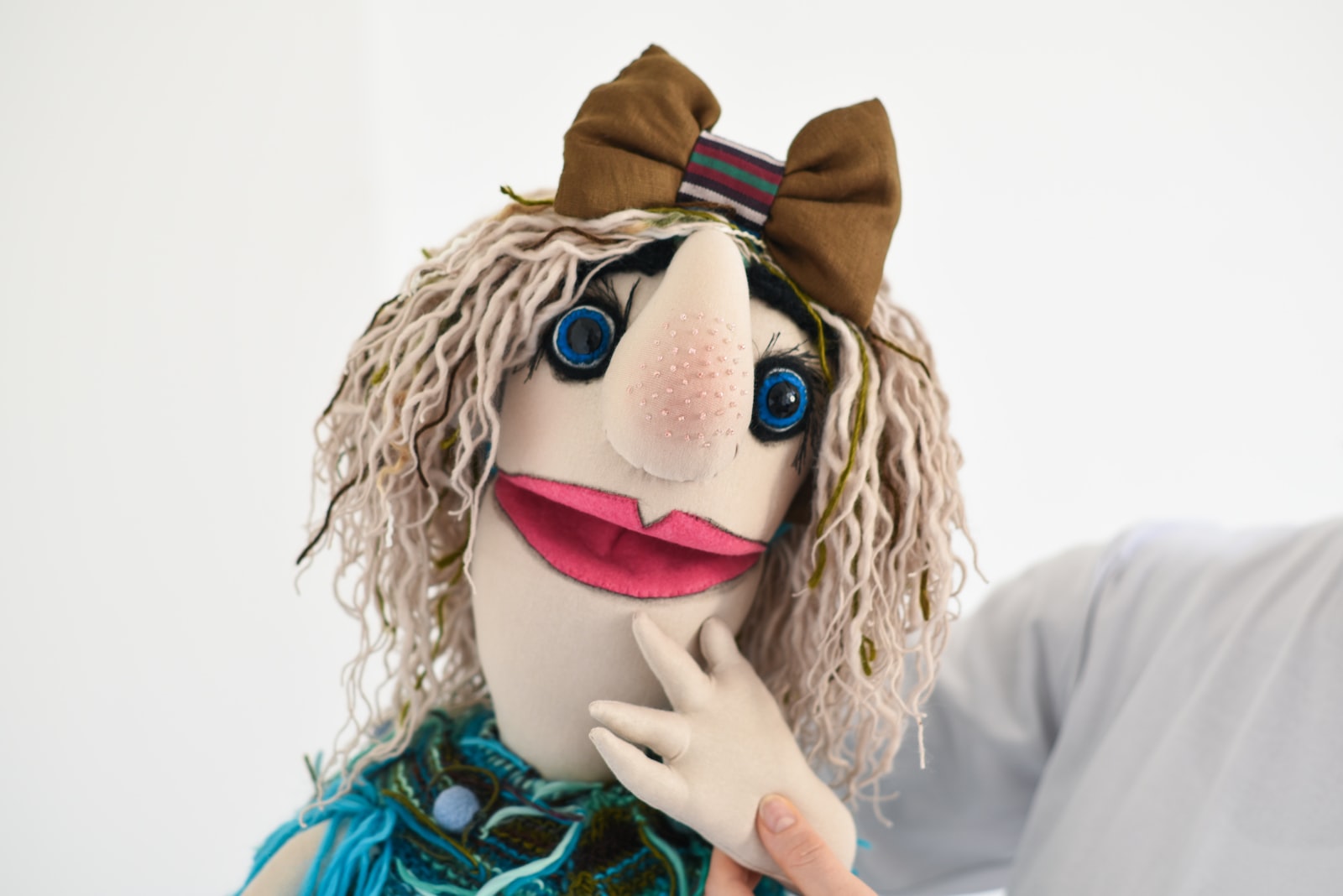
Puppetry is an ancient and fascinating art form that has been around for centuries. From traditional puppetry shows to modern-day movies and television shows, puppets continue to captivate audiences of all ages. If you are interested in creating your own puppet, there are several techniques and materials you can use to bring your puppet to life.
Before we get started, it’s important to note that making a puppet requires some basic supplies and tools. Some of the supplies you will need include fabric, foam, glue, scissors, paint, and various embellishments. The tools you will need may include a hot glue gun, a sewing machine, a pair of pliers, and a pair of scissors.
Step 1: Choose your Puppet Style and Design
The first step in making a puppet is to decide what kind of puppet you want to create. There are many different types of puppets, each with its unique style and design. Some of the most popular types of puppets include hand puppets, rod puppets, marionettes, shadow puppets, and finger puppets. Once you have chosen the type of puppet you want to create, you can start designing your puppet.
Consider the character’s personality, clothing, facial features, and other defining characteristics. You can draw a sketch of the puppet to help you visualize what it will look like once it’s finished.
Step 2: Create a Pattern
Once you have a design in mind, the next step is to create a pattern. A pattern is a blueprint for your puppet, and it will help you create the various parts of your puppet, such as the head, body, and arms.
To create a pattern, you can use a piece of paper or cardboard to draw the shape of each part of the puppet. You can then cut out the pieces and use them as a template for cutting the fabric or foam.
Step 3: Choose Your Materials
The materials you choose for your puppet will depend on the style and design you have chosen. For example, if you are creating a hand puppet, you may use fabric or felt for the body and foam for the head. If you are creating a marionette, you may use wire for the frame and fabric for the clothing.
When choosing your materials, consider their durability and ease of use. You want to choose materials that will withstand the wear and tear of repeated use and that are easy to work with.
Step 4: Cut Out the Parts
Once you have created a pattern and chosen your materials, the next step is to cut out the parts of the puppet. You can use the pattern as a guide to cut the fabric or foam to the correct shape and size. Be sure to cut out all of the parts you will need for your puppet, including the body, head, arms, and any other accessories.
Step 5: Sew or Glue the Parts Together
After you have cut out all of the parts for your puppet, you can start sewing or gluing them together. If you are using fabric, you can use a sewing machine to stitch the parts together. If you are using foam, you can use hot glue to attach the parts. Be sure to follow the design you created and the pattern you made, so the puppet looks and moves as intended.
Step 6: Add Details
Once you have assembled the basic structure of your puppet, you can start adding details to make it look more realistic. You can add facial features, such as eyes, nose, and mouth, using paint, fabric, or other materials. You can also add clothing, accessories, and other embellishments to give your puppet a unique personality.
Step 7: Attach Controls or Strings
The final step in making a puppet is to attach the controls or strings that will allow you to move the puppet in the way you want. The type of control or string you use will depend on the type of puppet you have created. For example, if you have made a hand puppet, you may use your hand to control the movement of the puppet’s head and arms. If you have made a marionette, you may use strings to control the movement of the puppet’s arms, legs, and other parts.
It’s important to test the controls or strings to make sure they work properly before performing with the puppet.
Tips for Making a Puppet:
- Start with a simple design: If you are new to making puppets, it’s a good idea to start with a simple design. This will help you get a feel for the materials and techniques involved in puppet making.
- Use high-quality materials: The quality of the materials you use will affect the durability and appearance of your puppet. Use high-quality materials to ensure your puppet looks and performs its best.
- Take your time: Making a puppet takes time and patience. Don’t rush the process, take your time, and enjoy the creative process.
- Experiment with different materials: There are many different materials you can use to create a puppet, such as fabric, foam, paper, and wood. Experiment with different materials to find what works best for your puppet.
- Practice moving the puppet: Once you have created your puppet, practice moving it to get a feel for its range of motion and how it will behave during a performance.
In conclusion, making a puppet is a fun and rewarding experience that can be enjoyed by people of all ages. Whether you are a beginner or an experienced puppet maker, there are endless possibilities for creating unique and interesting puppets. By following these steps and tips, you can create a puppet that will captivate and delight audiences for years to come.


