
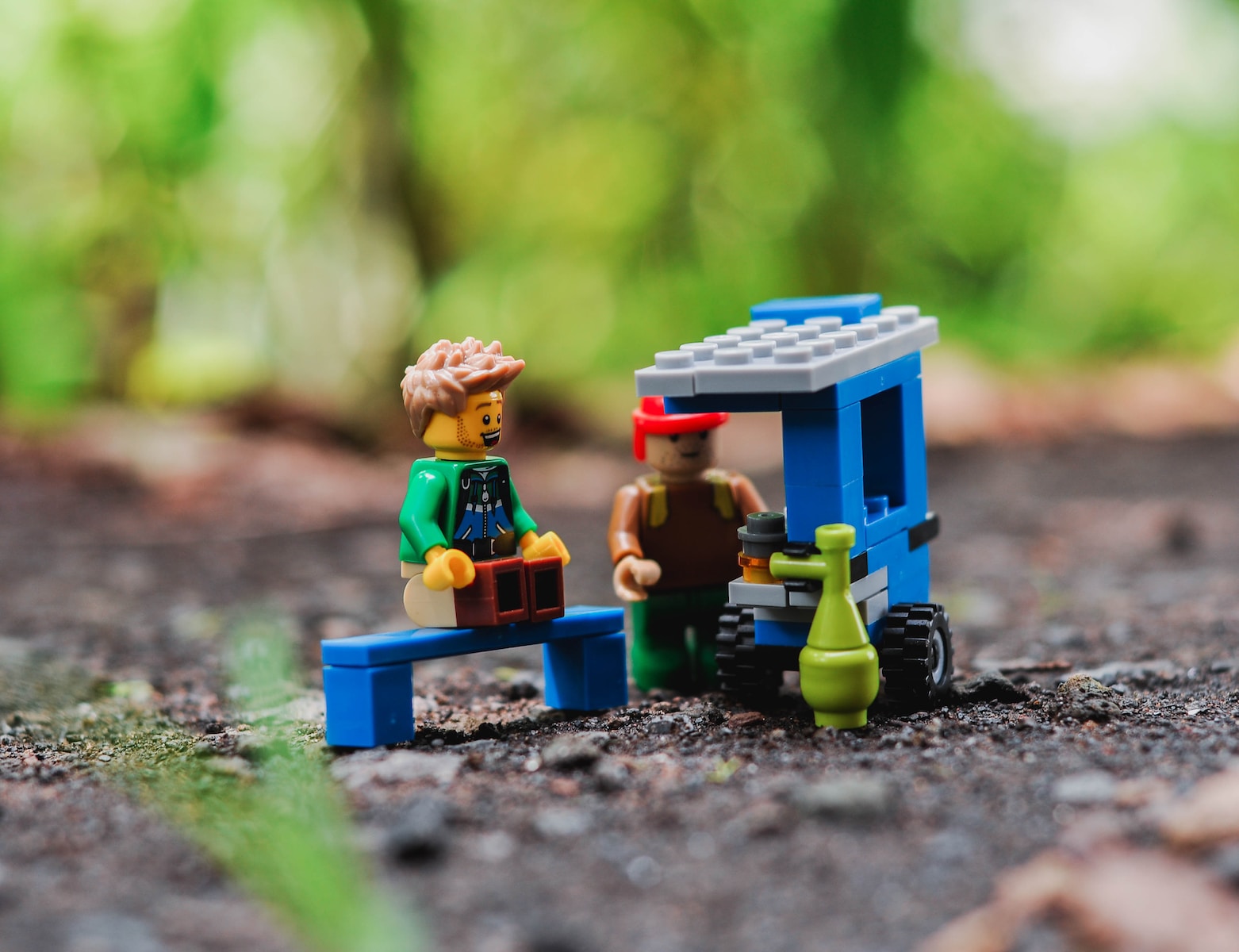
Miniature towns are fascinating to create and look at. They allow you to create a world that is entirely your own, full of intricate and detailed buildings that you can customize and arrange to your liking. But how do you make those tiny buildings? Here are some steps and tips to get you started.
How to Make Miniature Buildings for Miniature Towns
Step 1: Gather Materials and Tools
Before you start building, make sure you have all the necessary materials and tools. You will need a cutting mat, a ruler, a hobby knife, a glue gun, craft glue, scissors, and various types of paper and cardboard. You may also want to use a cutting machine, such as a Cricut, to help with precision cutting.
Step 2: Choose Your Scale
Decide on the scale of your miniature buildings before you start building. The most common scales for miniature buildings are 1:12 and 1:24. A 1:12 scale means that one inch of the miniature building represents 12 inches of the real building, and a 1:24 scale means that one inch of the miniature building represents 24 inches of the real building.
Step 3: Choose a Design
Once you have decided on the scale, choose a design for your miniature building. You can find inspiration from real buildings, pictures, or your imagination. Sketch out the design on paper to help you visualize the final product.
Step 4: Build the Structure
Begin building the structure of your miniature building. Start with the walls, using thin cardboard or chipboard. Cut the walls to the right size and shape and glue them together. You can use a ruler and a hobby knife to make precise cuts. If you want windows, cut out the window shapes and add some clear plastic or acetate to create the glass.
Step 5: Add Details
Once you have the basic structure of your miniature building, it’s time to add some details. Use paint or markers to add color and texture to the walls. Add doors, shutters, and other decorative elements to give the building character. You can use a variety of materials to create details, such as craft foam, beads, and wire.
Step 6: Finish the Building
After you have added all the details, it’s time to finish the building. Add a roof made of cardboard, foam core, or balsa wood. Paint the roof to match the rest of the building. Add any final details, such as a chimney or awnings.
Step 7: Create a Miniature Town
Once you have made one or more miniature buildings, it’s time to create a miniature town. Arrange the buildings on a base made of foam core or cardboard. You can add details to the base, such as sidewalks, streets, and landscaping. You can also add miniature people, cars, and other elements to bring the town to life.
Tips for Making Miniature Buildings
- Use reference images to help you create accurate and realistic designs.
- Use a sharp hobby knife to make precise cuts.
- Experiment with different materials to create unique textures and details.
- Use a glue gun for stronger, faster bonding, and craft glue for more delicate details.
- Take breaks to avoid eye and hand strain from working on small details for extended periods.
- Don’t be afraid to make mistakes – miniature building is a learning process!
Conclusion
In conclusion, creating miniature buildings for miniature towns is a fun and rewarding hobby that requires patience, attention to detail, and a bit of creativity. While it may seem daunting at first, with practice and the right tools and materials, anyone can create stunning and intricate miniature buildings that will bring their miniature town to life. Whether you’re a seasoned model maker or just starting out, building miniature buildings is a great way to exercise your creativity and enjoy the satisfaction of bringing your vision to life. So gather your supplies, pick a design, and start building your own miniature town today!


