
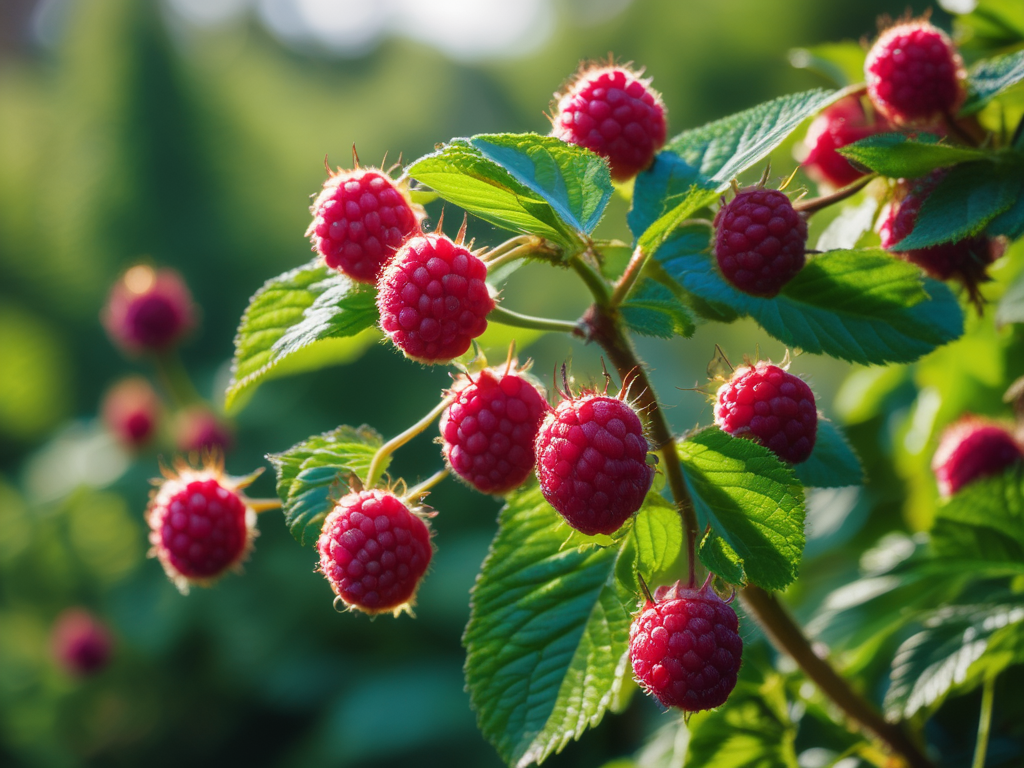
Raspberries are a delightful addition to any garden. Yet, their vigorous growth can sometimes get out of hand. Managing their exuberance is key to reaping bountiful, healthy harvests. Let’s explore how to keep your raspberry plants in check and ensure they thrive without taking over.
Understanding Raspberry Growth Patterns
Raspberries are known for their rapid growth and spreading ability. Various factors, including genetics and environmental conditions, contribute to their robust nature.
Genetic Factors Influencing Growth
Different raspberry varieties exhibit unique growth habits. Some, like the everbearing types, produce multiple harvests per season. These varieties tend to be more vigorous compared to the summer-bearing types, which produce a single crop. Knowing the growth tendencies of the varieties planted can help in planning their management.
Environmental Conditions Affecting Growth
The environment plays a crucial role in how raspberries grow. They thrive in well-drained soil, with plenty of sunlight and consistent moisture. Poor soil quality, lack of sunlight, or inadequate watering can stress the plants, often leading to erratic growth.
Preventative Measures for Controlling Growth
Proactive measures in managing raspberry plants can prevent them from becoming unruly. Here are some strategies to keep them in check.
Pruning Techniques
Pruning is essential for managing the size and health of raspberry plants. Regular pruning involves removing old canes after they have fruited and thinning the remaining canes to improve air circulation.
- Summer-Bearing Raspberries: After harvesting, cut the fruited canes at the ground level.
- Everbearing Raspberries: Cut back the fruited part of the canes in late summer, and in winter, prune the older canes to the ground.
Regular pruning promotes healthy growth and higher fruit yields.
Training and Support Systems
Support systems like trellising can guide raspberry growth and prevent sprawling. Trellis systems keep canes upright, reduce diseases by improving air circulation, and make harvesting easier. Use sturdy stakes and wires to create a framework for the canes to grow along.
- Single Wire Trellis: A simple system with a single wire about 3-4 feet above the ground.
- Double Wire Trellis: Two horizontal wires, one at 3 feet and another at 5 feet, for more support.
Nutrient Management
Proper fertilization practices can significantly impact raspberry growth. Both soil testing and selecting the right fertilizers are crucial.
Soil Testing and Nutrient Balance
Conducting soil tests helps determine nutrient levels and pH balance, ensuring the soil provides the right nutrients for growth. Ideal soil pH for raspberries is slightly acidic, around 5.8 to 6.2. Regular testing and amendments can maintain optimal conditions.
Organic vs. Synthetic Fertilizers
Fertilizers can be either organic or synthetic. Organic fertilizers, such as compost and manure, release nutrients slowly and improve soil structure. Synthetic fertilizers offer precise nutrient ratios but can lead to rapid growth spurts, requiring careful application.
- Organic Fertilizers: Improve long-term soil health, encourage strong root systems.
- Synthetic Fertilizers: Provide immediate nutrients, useful for quick fixes.
Monitoring and Adjusting Growth Strategies
Ongoing observation and adaptability are key in managing raspberry growth. Being vigilant allows for timely interventions when needed.
Signs of Overgrowth
Indicators of overgrowth include excessive cane density, reduced air circulation, and poor fruit quality. If you notice your plants becoming dense with lots of new shoots, it’s time to intervene with pruning and thinning.
Adjusting Care Based on Season
Seasonal changes influence raspberry growth. During spring, focus on training and supporting new growth. In summer, emphasize pruning and managing fruiting canes. Fall is the time for final pruning and preparing plants for winter. Adjusting care ensures plants remain healthy year-round.
Conclusion
Managing the vigorous growth of raspberries is crucial for healthy fruit production. By understanding how raspberries grow and implementing proactive measures like pruning, using support systems, and managing nutrients, you can keep your raspberries productive and under control. Regular monitoring and adjusting based on seasonal needs further ensure a thriving raspberry patch. Proper management not only tames their rambunctious nature but also leads to bountiful, delicious harvests.


