
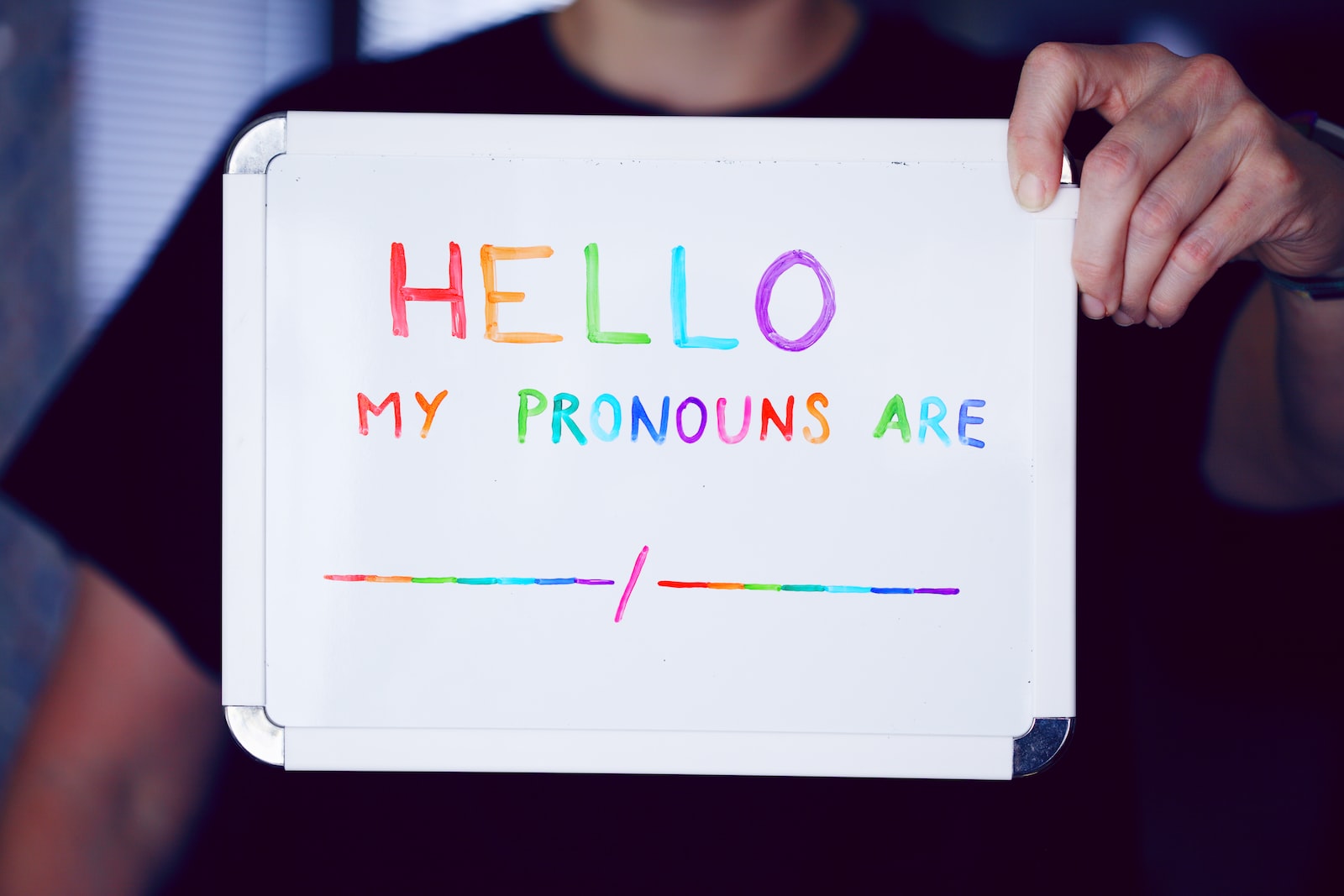
Balancing one’s gender identity with societal expectations isn’t easy, but it’s essential for personal peace. Society often imposes rigid norms, shaping how people think they should act, look, or even feel. These pressures create internal conflicts, leaving many questioning how to stay true to themselves while fitting in. The first step is understanding that your identity is valid, even if it doesn’t align perfectly with what’s expected. Reconciliation comes from self-acceptance, creating space for who you are, and recognizing that norms don’t define your worth.
Understanding Gender Identity
Gender identity is deeply personal. It reflects how individuals perceive themselves and how they wish to be recognized. However, reconciling this with the societal expectations layered upon us can often present challenges. To start addressing these, we need to understand the fundamental concept of gender identity and where societal norms stem from.
The Definition of Gender Identity
Gender identity refers to an individual’s deeply held sense of their own gender. This is distinct from biological sex, which is typically assigned at birth based on physical anatomy. Gender identity encompasses a spectrum that includes more than just “male” and “female.” People may identify as transgender, nonbinary, genderqueer, or another identity that resonates with their authentic selves.
The spectrum of gender identities demonstrates that gender isn’t binary; it’s fluid and diverse. For example, a person may identify as a woman, but not align with all societal expectations traditionally associated with femininity. Others may identify as neither male nor female, finding a comfortable space somewhere in between or entirely outside conventional definitions.
What does “balancing gender identity with societal expectations” mean?
Understanding these differences fosters inclusivity and respect. Feeling comfortable with one’s identity starts with knowing that it is okay to exist outside of rigid categories. The Trevor Project provides valuable resources to help individuals and allies better engage with these topics.
Societal Norms and Expectations
Societal expectations surrounding gender date back centuries, rooted in historical, cultural, and religious traditions. These norms, often rigid and prescriptive, were established to maintain certain societal structures. For instance, centuries of patriarchy have leaned on defining roles strictly—men as providers, women as caretakers. While these roles may have served specific purposes in the past, they can now limit individual expression.
Although progress has been made in many societies, outdated expectations still persist. Mass media, family traditions, and even education systems perpetuate narrow ideas of how men and women “should” behave. When someone’s gender identity doesn’t fit within these molds, they’re often met with confusion, resistance, or outright rejection.
Balancing one’s gender identity with societal expectations isn’t easy
Understanding how these norms developed allows us to recognize their arbitrary nature. They are not rules set in stone but constructs that can evolve—and should evolve—to accommodate the diversity of human experiences. For strategies on overcoming these pressures, resources like the Meridian Counseling Blog provide insightful perspectives.

Photo by Alexander Grey
Understanding these societal constructs is the first step in challenging them. By questioning where societal norms come from and why they persist, individuals can feel empowered to step outside those expectations and embrace their true selves.
The Psychological Impact of Societal Expectations
Living in a society with entrenched norms can feel overwhelming, especially when your authentic self doesn’t align with others’ expectations. These societal rules, often unspoken, can weigh on us like an invisible burden, dictating how we ought to behave, express emotion, or even identify ourselves. For those reconciling their gender identity with these norms, the psychological effects can be profound.
Mental Health Challenges
When societal expectations conflict with personal identity, emotional strain often follows. Many struggle with anxiety, worrying about acceptance or facing judgment. This can manifest in everything from self-doubt to full-on panic attacks. Society’s rigid framework forces constant questioning: “Am I enough as I am?”
Depression may also develop, especially when individuals feel isolated or misunderstood. The gap between one’s inner truth and external pressures can create a chasm that feels impossible to bridge. Those not recognized for who they truly are may experience deep loneliness, as if they’re stuck behind an emotional shield no one can see through.
Another significant challenge is identity conflict. This occurs when someone feels torn between being true to themselves and meeting societal expectations. It’s like being pulled in two directions—one leading to authenticity and the other to conformity. This battle, if unresolved, can also lead to low self-esteem, hopelessness, and even suicidal ideation in severe cases. For more insight into the mental health repercussions of societal pressures, this discussion provides a deeper understanding.
Coping Mechanisms
Managing societal pressure starts with reframing how you perceive it. Recognizing that norms are constructs—fluid rather than fixed—helps to lessen their power over you. But how can you practically cope?
- Connect with supportive communities: Surrounding yourself with people who understand or share your experiences can reduce feelings of isolation. Groups that celebrate diversity offer safe spaces to be yourself without judgment.
- Set personal boundaries: Learning to say “no” is key. It’s about safeguarding your mental well-being, even if it feels uncomfortable at first.
- Seek therapy or counseling: A mental health professional can equip you with tools to navigate emotional conflicts. Therapeutic approaches like Cognitive Behavioral Therapy (CBT) are especially effective in changing negative thought patterns that stem from pressure.
- Practice mindfulness and self-care: Activities like meditation, journaling, and even just breathing exercises can ground you. Taking time for yourself is essential for resilience when facing external stressors.
There is also value in educating loved ones. Many negative interactions stem from misunderstanding, not malice. Offering resources, like this guide to navigating social pressures, may open doors to empathy and mutual respect.

Photo by Mikhail Nilov
While societal expectations can seem overwhelming, you are not powerless. These coping strategies can provide tools to ease the burden, allowing you to focus on becoming the most authentic version of yourself.
Navigating Personal Identity and Societal Norms
Reconciling gender identity with societal norms can feel like walking a tightrope, balancing personal authenticity against external expectations. These norms often dictate a script, but you have the power to rewrite it. Let’s explore how to chart a path that prioritizes your truth while navigating society’s demands.
Building a Support Network: Emphasize the importance of finding supportive communities and allies.
You can’t overstate the value of having a solid support network. When faced with societal expectations, connections with people who affirm your identity act as a lifeline. Supportive friends, family members, and allies offer emotional comfort that reminds you you’re not alone.
Communities tailored to gender identity, like online forums or local groups, provide safe spaces for open dialogue. These are environments where you can share experiences, gain advice, and connect with those who “get it.” You may hear stories that resonate deeply with your own, reminding you that reconciliation doesn’t have to be a solitary journey.
For instance, platforms like the Human Rights Campaign and The Trevor Project offer ample resources to help you find or create these vital connections. They offer everything from educational articles to peer-led support groups. Consider these communities your family of choice, an ecosystem that celebrates your authentic self.

Photo by RDNE Stock project
Challenging Stereotypes and Norms: Encourage readers to actively challenge societal stereotypes and express their gender identity authentically.
When societal norms feel restrictive, pushing back is an act of liberation. Stereotypes box people into roles that often don’t reflect their realities. By questioning these constraints, you make space for authenticity—not just for yourself but for others watching.
Challenge norms in simple but meaningful ways. Correct misunderstandings when someone assumes your pronouns or comments on your expression. Speak up about how you identify whenever you feel safe to do so. In doing so, you teach others to rethink harmful assumptions.
But this process isn’t about confrontation alone. It’s about choosing authenticity. Dress in a way that feels like “you,” use language that aligns with your identity, and find small ways to let your personality shine. Societal expectations don’t own you, and adjusting them starts with not shrinking to fit.
For actionable insights into breaking gender roles, check out this guide on challenging stereotypes. It sheds light on how creating change doesn’t require grand gestures—small acts can ripple outward, reshaping societal attitudes one step at a time.
Utilizing Resources for Support: Provide information on organizations and resources that can aid individuals in their journey.
No one has to navigate these waters without a map. Resources designed for those reconciling their gender identity can offer valuable tools, from emotional support to legal guidance. These organizations act as beacons, ensuring you’re never navigating blind.
Start with advocacy groups like GLAAD or PFLAG, which provide programs, educational material, and access to competent counselors. For younger audiences, the Trevor Project is a frontrunner in crisis prevention and education around LGBTQ+ issues. Consider them lifeboats in an often turbulent sea of societal expectations.
For anyone exploring their gender identity in-depth, books, podcasts, and online guides also serve as invaluable tools. They educate, affirm, and equip individuals to journey forward with confidence. Whether it’s connecting with others or answering lingering questions, these resources ensure that no one feels adrift.
Real-Life Examples and Stories
Hearing about others’ experiences can be powerful when reconciling gender identity with societal expectations. Real-life stories show that while the journey can be complex, it’s also deeply personal and unique. These narratives illuminate the strength it takes to live authentically and advocate for change, offering inspiration to anyone grappling with their own path.
Case Studies of Personal Journeys
One story that resonates with many is Eric’s, who transitioned to align with his true self. For Eric, reconciling his gender identity wasn’t just about navigating personal truth; it was also about educating those around him. After enduring years of discomfort in spaces that didn’t affirm his identity, Eric found refuge in a community that celebrated his journey. Eric emphasized that being surrounded by accepting individuals offered him the courage to embrace his authenticity fully. Learn more about Eric’s experience here.
Another notable story is Sophie Ottaway’s, who lived years in denial of her gender identity. When Sophie made her story public, she not only reconciled her identity but also sparked vital conversations about acceptance. For her, reconciling meant finally living openly, and in the process, breaking down stereotypes for others who might feel trapped. Sophie’s journey showcases how authenticity inspires both personal liberation and societal change. Read about Sophie’s story.
Mel, a parent of a transgender son, provides yet another lens into the complexities of reconciliation. Supporting Jacob, her son, through his transition was transformative for their family. Jacob’s courage in asserting his gender inspired Mel to reassess her assumptions about gender norms. This story reminds us that the reconciliation journey often involves not just the individual but also their loved ones. Discover Mel and Jacob’s story.
Some journeys focus on advocacy, like that of Keiran Elden, who identifies as genderfluid. Keiran realized that societal norms about gender didn’t resonate, leading them to explore their identity gradually. They’ve since become an advocate for others, speaking about the importance of self-discovery and gender inclusivity. Keiran’s reflection reveals the depth of growing beyond societal constraints. Read about Keiran’s insight.

Photo by Katie Rainbow 🏳️🌈
These personal accounts highlight that reconciling gender identity and societal norms is never linear. Each journey reflects a mosaic of challenges, triumphs, and lessons. They remind us that embracing one’s truth, even in the face of resistance, can create ripples of change for everyone.
Encouraging Personal Reconciliation
Finding peace with your gender identity while existing in a world of societal expectations can be a deeply personal journey. This process isn’t about fitting into a pre-existing mold but about creating space for your authentic self. It’s an evolving dialogue between who you are and the norms you encounter daily. Let’s explore ways to embrace your identity with confidence and purpose.
Embracing Your Truth
Authenticity starts with acknowledging and accepting your gender identity, no matter how it contrasts societal norms. For some, this might include redefining what traditional masculinity or femininity means. For others, it’s about existing beyond these categories altogether. The path forward isn’t linear, but each step builds self-awareness and strength.
When embracing your truth, start small. Try expressing your gender identity in ways that feel safe and empowering. Surround yourself with people who recognize and celebrate your individuality. Acceptance from others can help you feel less constrained and more free to honor your authenticity. A helpful resource for navigating this process is offered by Meridian Counseling which provides strategies for overcoming societal barriers.

Photo by Kamaji Ogino
Reframing Societal Norms
Societal expectations often feel rigid, but it’s important to remember they’re constructs, not universal truths. Any change begins by questioning the validity of these norms. Are they rooted in fairness and inclusivity? Or do they merely reflect outdated traditions?
When norms feel suffocating, remind yourself that progress isn’t about conforming but breaking free. History proves that societal expectations are fluid, often reshaped by individuals brave enough to live authentically. By reframing norms as outdated ideas rather than fixed rules, you create room to exist as yourself without guilt or hesitation.
Articles like this comprehensive guide from Within Health highlight the pressures people face and how to overcome them. Understanding societal constructs is the first step in dismantling their power over you.
Celebrating Your Journey
While reconciling gender identity with external expectations can be challenging, it’s also rewarding. Each personal victory—whether it’s asserting your pronouns, updating a wardrobe, or feeling understood by someone you love—deserves celebration.
Living beyond societal scripts isn’t just about personal joy; it’s also about paving pathways for others. You become part of a broader movement that validates diversity, nudging society toward greater inclusiveness. Your story can inspire change, showing others they don’t need to sacrifice selfhood for acceptance.
dealing with gender identity with societal expectations
The journey isn’t about reaching a fixed destination but embracing life’s moments with authenticity. Seek inspiration in stories, like this article from Zero to Three, which highlights how fostering understanding can transform lives.
Reconciliation isn’t about perfection—it’s about growth. Take pride in your steps forward, no matter how small. Recognizing your worth and embracing your truth are revolutionary acts in themselves.


