
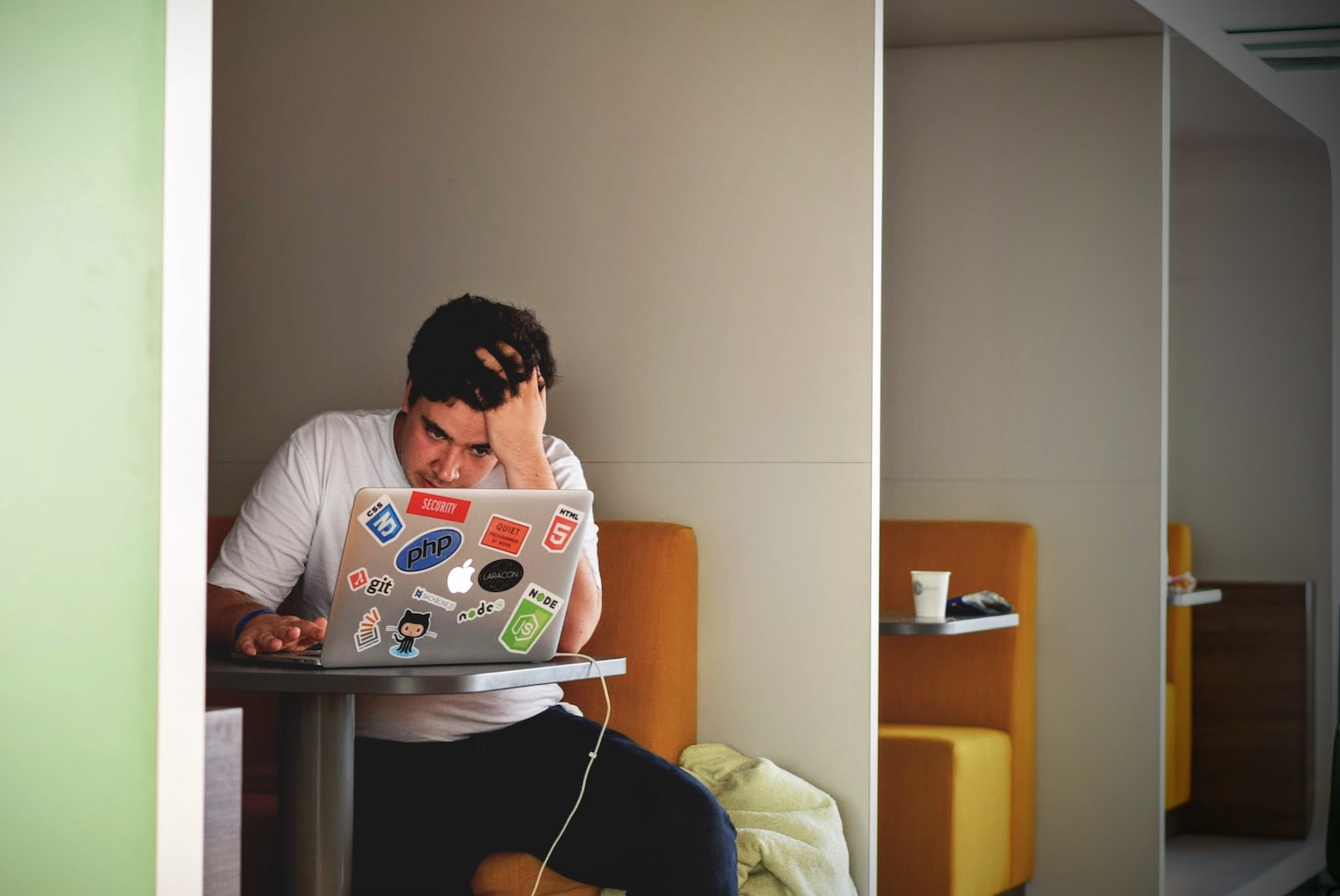
Stress is a part of life, but it doesn’t have to take over your day-to-day experiences. There are many ways to reduce the amount of stress you experience on a daily basis, from making lifestyle changes to incorporating stress-reducing techniques into your daily routine. Here are some strategies that can help you manage your stress levels.
How does one reduce the amount of stress they experience on a daily basis?
1. Identify your stressors
The first step in reducing the amount of stress you experience on a daily basis is to identify your stressors. Make a list of the situations or events that trigger your stress response. These could be anything from a demanding boss to a long commute. Once you have identified your stressors, you can start to develop strategies for managing them.
2. Make lifestyle changes
Making lifestyle changes can also help reduce your stress levels. For example, getting enough sleep, eating a healthy diet, and regular exercise can all help reduce stress. Try to prioritize these activities in your daily routine.
3. Practice relaxation techniques
Relaxation techniques, such as deep breathing, meditation, or yoga, can also help reduce stress. Try incorporating these techniques into your daily routine, even if it’s just for a few minutes a day. You may also want to try progressive muscle relaxation, which involves tensing and then relaxing different muscle groups.
4. Prioritize your tasks
Another way to reduce stress is to prioritize your tasks. Make a to-do list and prioritize the tasks that are most important. This will help you stay focused and avoid feeling overwhelmed. Remember to also schedule in breaks throughout your day to give yourself time to recharge.
5. Set boundaries
Setting boundaries can also help reduce stress. Learn to say “no” to requests that are not essential or that you do not have time for. This will help you avoid overcommitting yourself and feeling overwhelmed.
6. Practice mindfulness
Practicing mindfulness can help reduce stress by helping you stay present and focused on the present moment. Try to stay aware of your thoughts and emotions without judgment. You can practice mindfulness by taking a few minutes each day to focus on your breathing, or by taking a mindful walk outside.
7. Get organized
Getting organized can also help reduce stress. Try to keep your home and workspace clean and organized. This can help reduce clutter and create a sense of calm. You may also want to try using a planner or calendar to keep track of your tasks and deadlines.
8. Connect with others
Connecting with others can also help reduce stress. Spending time with friends and family can provide a sense of social support, which can help reduce stress levels. You may also want to try joining a support group or talking to a therapist.
9. Take breaks
Taking breaks throughout your day can also help reduce stress. Try to take short breaks every hour or two to give yourself time to rest and recharge. During your breaks, try to do something that relaxes you, such as taking a walk or listening to music.
10. Practice self-care
Lastly, practicing self-care can help reduce stress. This could involve doing something you enjoy, such as reading a book or taking a bath, or treating yourself to a massage or other form of self-care. Remember to prioritize self-care in your daily routine.
In conclusion, reducing the amount of stress you experience on a daily basis is important for both your physical and mental health. By identifying your stressors and incorporating stress-reducing techniques into your daily routine, you can improve your overall well-being and reduce the negative effects of stress on your body and mind. While some stress is normal and even beneficial, chronic stress can lead to a range of health problems, including anxiety, depression, and heart disease.
It’s important to remember that everyone is different, and what works for one person may not work for another. Finding the right combination of strategies that work for you may take some trial and error. If you find that your stress levels are still high despite your best efforts, don’t hesitate to seek professional help. A mental health professional can help you develop a personalized plan for managing your stress.
In addition to these strategies, there are also some general tips that can help you reduce stress in your daily life. For example, try to avoid overloading yourself with too many tasks or responsibilities, learn to say “no” when you need to, and practice positive self-talk to help manage negative thoughts and emotions.
Overall, reducing the amount of stress you experience on a daily basis requires a combination of self-awareness, self-care, and the willingness to make lifestyle changes. By taking steps to manage your stress levels, you can improve your quality of life and increase your overall well-being. Remember, it’s never too late to start prioritizing your mental and physical health.


