
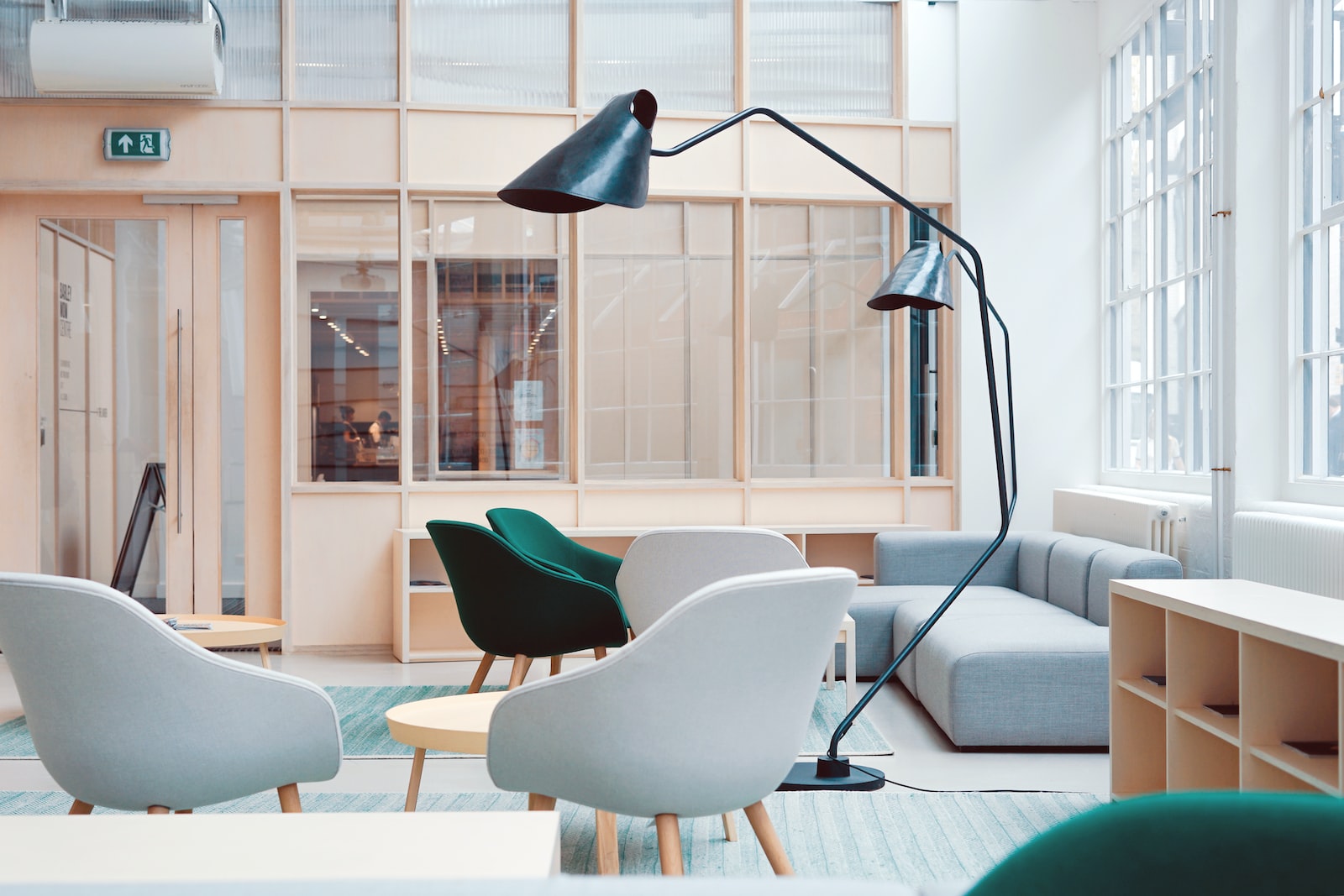
When designing an interior space, selecting and arranging furniture is an essential step to create a cohesive and harmonious look. The right furniture can complement the architectural design of a space, enhancing its functionality and aesthetic appeal. Whether you’re working on a new construction or redesigning an existing space, here are some tips on how to select and arrange furniture to complement an architectural design.
Understand the architectural style
The first step in selecting furniture that complements the architectural design is to understand the style of the building. Whether you’re working on a modern, contemporary, or traditional space, the architectural style will inform the type of furniture that works best. For example, a minimalist approach to furniture and decor might work well in a modern space with clean lines, while traditional spaces might require more ornate and decorative pieces.
Consider the room’s function
The furniture you select should also reflect the room’s intended function. For example, a living room should have comfortable seating for relaxing and entertaining, while a dining room requires a table and chairs for meals. Understanding the room’s primary function will help guide your furniture selection, ensuring that you choose pieces that are both practical and visually appealing.
Think about scale and proportion
When selecting furniture, it’s essential to consider the scale and proportion of the space. For example, a large sofa in a small room can make the space feel cramped and cluttered, while a small chair in a large room can make the space feel empty and uninviting. Pay attention to the size of the furniture and how it fits within the overall layout of the room. The right scale and proportion will help create a balanced and cohesive look.
Create a focal point
Creating a focal point in a room can help tie together the architectural design and furniture. The focal point might be a fireplace, a piece of art, or a unique architectural feature. Once you’ve identified the focal point, arrange the furniture around it to draw attention and create a sense of balance. For example, a sofa facing a fireplace can create a cozy and inviting atmosphere, while a dining table centered under a chandelier can create an elegant and sophisticated look.
Consider the flow of traffic
When arranging furniture, it’s important to consider the flow of traffic in the room. People should be able to move around the space easily without feeling cramped or obstructed. Arrange the furniture in a way that allows for a clear path between the different areas of the room. For example, place a sofa in a way that doesn’t block the entrance or exit to the room, and leave enough space between the dining table and walls to allow for easy movement around the table.
Choose furniture that complements the architectural elements
One way to ensure that your furniture complements the architectural design is to choose pieces that complement the existing features of the space. For example, if the building has exposed brick walls, consider choosing furniture with warm, natural textures that will enhance the brick’s character. If the space has large windows with a view, consider choosing furniture that won’t obstruct the view and allows natural light to flow freely throughout the room.
Mix and match furniture styles
Mixing and matching furniture styles can create a visually interesting and dynamic space. For example, pairing a modern sofa with a vintage coffee table can create a sense of contrast and balance. When mixing and matching furniture styles, it’s important to consider the overall aesthetic of the room and ensure that the pieces work well together. Avoid combining styles that clash or overwhelm the space, and focus on creating a sense of harmony and balance.
Conclusion
Selecting and arranging furniture to complement an architectural design is a crucial step in creating a cohesive and functional interior space. By understanding the architectural style, considering the room’s function, thinking about scale and proportion, creating a focal point, considering the flow of traffic, choosing furniture that complements the existing architectural elements, mixing and matching furniture styles, you can create a space that is both visually appealing and practical. Remember to always consider the function of the space, and choose furniture that is both functional and aesthetically pleasing. With these tips, you can create a space that complements the existing architectural design and enhances its overall appeal.


