
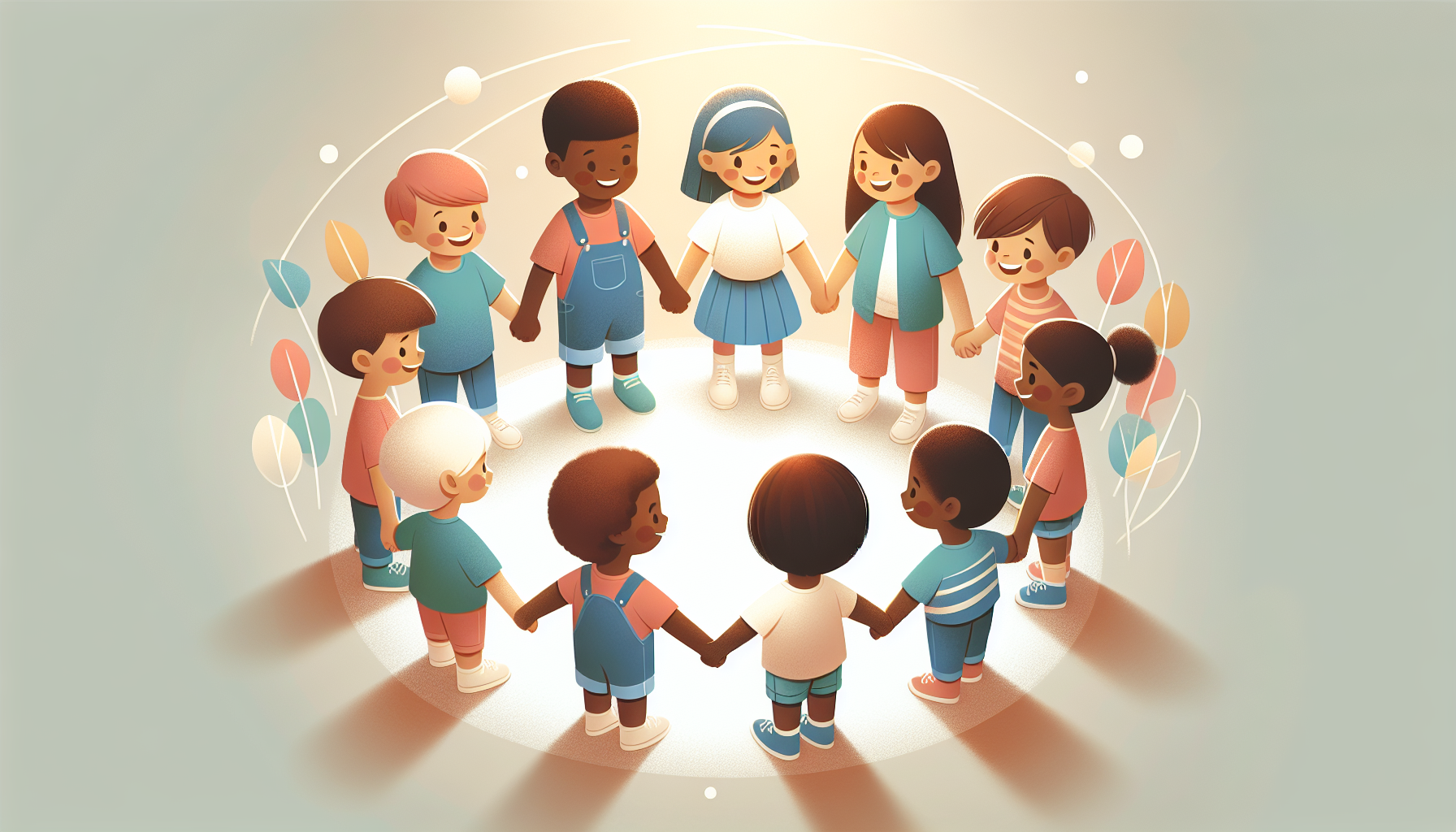
In the age of modern reproductive technology, many children are born through sperm donation. As these children grow up and seek connection with others who share their unique origins, the idea of forming a club like “Kids of Donor 1234” can be both appealing and daunting. The challenge lies in creating a group that fosters a sense of community and support without it feeling exclusive or mysterious. Here are some practical and engaging steps to start such a club while keeping it inclusive and approachable.
Understanding the Purpose of the Club
Building a Support Network
The primary goal of a club like “Kids of Donor 1234” is to create a support network for individuals who share the same biological donor. This network can provide emotional support, shared experiences, and a sense of belonging. It’s important to communicate this purpose clearly to avoid any misconceptions about the club being a secretive or exclusive group.
Celebrating Shared Origins
Another aim is to celebrate the unique origins and the diverse backgrounds of its members. The club should be a place where members can openly discuss their experiences, learn from each other, and celebrate their individuality while recognizing their shared heritage.
Setting the Tone and Structure
Choosing an Inclusive Name
While “Kids of Donor 1234” is a straightforward name, you might want to consider adding a subtitle that emphasizes inclusivity and community. For example, “Kids of Donor 1234: A Community for Shared Origins” signals that the club is about building connections rather than exclusivity.
Defining Clear Objectives
Clearly define the club’s objectives from the outset. This could include providing emotional support, sharing information and resources about donor conception, organizing social events, and creating a platform for open discussion. Make these objectives publicly available to ensure transparency.
Creating a Welcoming Atmosphere
Design the club’s branding and communication to be friendly and welcoming. Avoid using language or symbols that could be interpreted as secretive or exclusive. Instead, use inclusive and positive imagery and messages that emphasize community and support.
Organizing the Club
Establishing a Founding Committee
Start by forming a small founding committee of individuals who share your vision for the club. This group will help plan and organize the initial activities, set the tone for the club, and ensure that the club’s values are upheld.
Developing a Mission Statement
Draft a mission statement that outlines the club’s purpose, goals, and values. This statement should emphasize the club’s commitment to inclusivity, support, and celebration of shared origins. Make this mission statement a central part of your club’s identity and communication.
Creating a Membership Plan
Develop a clear and simple membership plan. Make it easy for new members to join by providing an online sign-up form and clear instructions. Ensure that the membership process is inclusive and welcoming, with no barriers that could make the club seem exclusive or secretive.
Promoting the Club
Utilizing Social Media
Use social media platforms to promote the club and its activities. Create profiles on popular platforms like Facebook, Instagram, and Twitter, and regularly post updates about club events, member stories, and relevant news. Use hashtags like #KidsofDonor1234, #SharedOrigins, and #CommunitySupport to reach a wider audience.
Hosting Informational Events
Organize informational events to introduce the club to potential members and the broader community. These events can be both online and in-person, depending on what’s feasible. Use these gatherings to explain the club’s purpose, share personal stories, and answer any questions.
Collaborating with Related Organizations
Reach out to organizations that support donor-conceived individuals and their families. Collaborate with these groups to promote your club and share resources. These partnerships can help legitimize your club and increase its reach.
Planning Club Activities
Regular Meetings and Social Events
Plan regular meetings and social events to keep members engaged and connected. These could include monthly meetups, themed discussions, workshops, and social outings. Make these events fun and engaging to build a sense of community.
Educational Workshops and Discussions
Organize educational workshops and discussions on topics relevant to donor-conceived individuals. These could include sessions on understanding genetic heritage, dealing with identity issues, and navigating relationships with donor siblings and biological parents.
Community Service Projects
Encourage members to participate in community service projects. This not only helps to foster a sense of community within the club but also gives back to the broader community. These projects can be a great way to bond and promote a positive image of the club.
Fostering a Positive Club Culture
Encouraging Open Communication
Promote a culture of open communication within the club. Encourage members to share their thoughts, experiences, and feedback. Create a safe and respectful environment where everyone feels comfortable speaking up.
Celebrating Diversity
Celebrate the diversity of your members. Highlight different backgrounds, experiences, and perspectives within the club. This can be done through member spotlights, storytelling sessions, and cultural events.
Providing Emotional Support
Recognize that members may have varying emotions and experiences related to their donor conception. Provide resources and support for those who may need it, including access to counseling services and peer support groups.
Addressing Potential Challenges
Maintaining Transparency
Transparency is key to avoiding the perception of the club as a secret society. Be open about the club’s activities, decision-making processes, and goals. Regularly update members and the public about what the club is doing and why.
Handling Confidentiality
While transparency is important, so is respecting members’ privacy. Clearly communicate how personal information will be handled and ensure that members feel secure sharing their stories within the club. Establish guidelines for confidentiality and make them known to all members.
Managing Group Dynamics
As the club grows, managing group dynamics can become challenging. Foster a culture of respect and inclusivity to ensure that all members feel valued and heard. Address conflicts promptly and fairly to maintain a positive atmosphere.
Conclusion
Starting a club called “Kids of Donor 1234” can be a rewarding way to connect with others who share your unique origins. By focusing on inclusivity, transparency, and a sense of community, you can create a supportive and welcoming group that avoids the pitfalls of seeming like a secret society. Through thoughtful planning, engaging activities, and a positive club culture, “Kids of Donor 1234” can become a place where members feel understood, supported, and celebrated for their shared heritage.


