
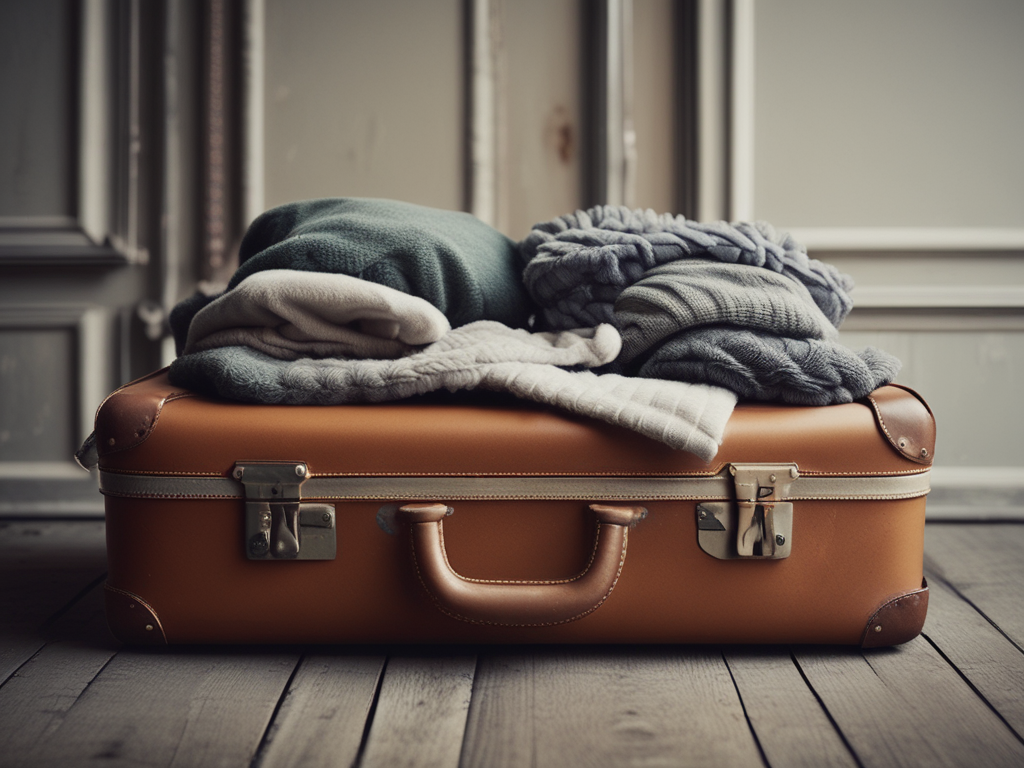
We’ve all been there—standing over a bulging suitcase, cramming in those last-minute “just in case” items, only to return home with half of them untouched. The art of packing doesn’t always come naturally, and the fear of being unprepared often leads to overpacking. But what if you could step into your next trip with a light bag and a lighter mind? The secret lies in understanding your true travel needs and reshaping your packing habits. By focusing on essentials, optimizing clothing choices, and learning the right questions to ask yourself before adding an item, you cultivate a stress-free and efficient travel experience. Shed those extra pounds—of luggage, that is—and embrace the freedom of mindful packing.
Understanding ‘Just in Case’ Items
When preparing for a trip or a move, it’s easy to fall into the trap of packing items with the thought, “I might need this, just in case.” This mindset often leads to carrying unnecessary baggage that weighs us down. By exploring what these ‘just in case’ items are and why we tend to pack them, we can begin to lighten our loads—both physically and mentally.
Definition and Examples
‘Just in case’ items are those possessions you pack because you think you might need them, even if there’s a slim chance of that happening. Imagine the last time you went on a weekend getaway. Did you pack an extra sweatshirt or those high-tech gadgets you hardly touch? Here’s a look at some common ‘just in case’ items:
- Extra Clothing: An additional pair of shoes or outfits for all seasons, even if the forecast says sunny skies.
- Rarely Used Gadgets: Specialized electronics or toys that usually stay in a drawer, like a travel iron or a selfie stick.
- Emergency Supplies: Medical kits or sewing kits for fixing loose buttons, despite their usefulness being far from immediate.
These items create a false sense of security but often lead to clutter and stress instead of utility.
Psychological Factors
The urge to pack ‘just in case’ items isn’t just a habit—it’s a psychological need fueled by fear and anxiety. Ever felt the pang of fear about leaving something behind? You’re not alone. This is driven by:
- Fear of Forgetting: The anxiety of missing out on a ‘what if’ scenario can be crippling. It’s the same feeling that makes us double-check if the door’s locked or the oven’s off.
- Need for Control: In a world full of uncertainties, packing extra items feels like having control over unexpected situations. It’s like wearing a seatbelt even when the car is parked—unnecessary but comforting.
- Cultural Influences: Societal norms often reinforce the idea that being prepared means having more. It’s like bringing a Swiss Army knife to a picnic; it might be overkill, but it makes you feel prepared for any eventuality.
Understanding these factors can help us recognize why we act this way and assist in letting go of unnecessary items. By addressing these habits, we can focus on what truly matters, making our journeys lighter and more enjoyable.
Strategies to Avoid Packing ‘Just in Case’ Items
When you’re planning a trip, it’s easy to get caught up in the “what if” mindset. What if it rains? What if there’s a spontaneous dinner party? While it’s natural to worry about being unprepared, packing too many “just in case” items can weigh you down and make travel more stressful. Instead, try these practical strategies to pack smart and light.
Create a Packing List
Creating a packing list is like mapping out your travel essentials. Start by considering your itinerary. Are you spending most of your time exploring cities, hiking, or relaxing on the beach? Lay out the days and list the specific activities to understand what you’ll truly need.
A packing list helps you keep track of what is essential and avoid the temptation of throwing in extras at the last minute. Think of it as your travel blueprint, guiding you away from those pesky “maybe I’ll need this” items. Have you ever tried writing down your packing needs item by item? You’d be amazed at how this simple act can streamline your luggage.
Limit Your Options
Ever noticed how too many choices can be overwhelming? It’s true for packing as well. By limiting your options, you can make sure each item in your suitcase serves a clear purpose. Choose neutral colors that easily mix and match. Stick to versatile clothing that works for multiple occasions.
Imagine your wardrobe as a puzzle. Each piece should fit seamlessly with another, creating endless combinations with fewer items. This approach not only saves space but keeps your packing focused. Less really can be more in travel. Ask yourself: Do I really need three pairs of shoes, or will two suffice?
Set a Packing Limit
Setting a packing limit is like setting a personal boundary. Decide on a strict number of items or a specific suitcase size and stick to it. This not only curbs overpacking but also encourages thoughtful selection of what you bring.
Picture your suitcase as if it were a container with a defined capacity. You wouldn’t stuff it beyond its limits, so why do that with packing? Setting a realistic cap ensures you carry only what you truly need. It’s like a game of Tetris, where each piece must fit perfectly.
These strategies can transform your packing experience from chaotic to calm. By planning ahead and setting boundaries, you can enjoy your travels without the literal and figurative weight of unnecessary baggage.
Evaluating Necessity Before Packing
When it comes to packing, we often fall into the trap of bringing “just in case” items that never leave our suitcases. How many times have you returned from a trip with clothes you never wore or gadgets that remained untouched? Packing smartly starts with evaluating what is truly essential. By closely examining our needs and priorities, we can reduce unnecessary clutter and travel with ease.
The 20/20 Rule
Have you ever packed an umbrella for a sunny vacation, thinking, “What if it rains?” The 20/20 Rule is a simple yet powerful strategy to combat such overpacking tendencies. Here’s how it works: if an item costs less than $20 and can be replaced within 20 minutes at your destination, consider leaving it behind.
Why this rule? It encourages us to focus on items that are truly indispensable, eliminating the mental burden of endless “what ifs.” It’s a gentle reminder that most places we travel have stores too. Think about it — do you really need to pack every possible medication, or could the local pharmacy suffice?
Consider the Destination
Packing should be an intentional act that takes into account where you’re heading. Before you start throwing things into your suitcase, pause and picture your destination. What amenities are available there? What items can you borrow or rent rather than bring yourself?
For instance, if you’re visiting a city, chances are you won’t need that bulky beach towel or the extra hairdryer. Hotels often provide basic toiletries, so lugging your entire bathroom cabinet might not be necessary. Dining mostly at restaurants? Skip the portable utensils and go lighter on snacks.
Consider crafting a mental map of your destination, visualizing the typical day-to-day activities. What stores, services, and facilities are around? The key is to differentiate between genuine necessities and those “comfort items” that, while nice to have, are not mandatory. Remember, packing is not about preparing for every single possibility but about making thoughtful choices that align with your plans.
Evaluative packing promotes a healthier, hassle-free travel experience. By asking ourselves deeper questions about our destination and embracing the 20/20 rule, we can cut down on clutter and travel with peace of mind.
Adapting a Minimalist Mindset
Packing can sometimes feel like you’re preparing for battle. You might find yourself pitting essential items against “just in case” items that sneak their way into your bag. By adopting a minimalist mindset, you can take control of your suitcase and your journey. Let’s explore how two key principles can reshape your packing habits and free you from the burden of over-packing.
Embrace Flexibility
When traveling, flexibility is your best friend. Imagine you’re heading to the mountains, and suddenly the weather changes. Rather than having packed redundantly for every potential scenario, trust in your ability to adapt. Being versatile in both mind and luggage allows you to handle the unexpected with ease. Here’s why flexibility is a game-changer:
- Confidence in Decision-Making: Knowing you can adapt makes it easier to decide on what not to pack.
- Room for Experiences: With less baggage, you have more space to embrace new adventures and bring back memories instead of unnecessary items.
- Stress Reduction: A lighter load means less hassle through airports and during transit, all thanks to your willingness to roll with what comes your way.
The essence of travel isn’t about being prepared for everything. It’s about being open to whatever unfolds.
Prioritize Quality Over Quantity
It’s tempting to throw everything you “might” need into your suitcase, but focusing on quality over quantity can be liberating. Consider your favorite pair of jeans that works with everything or that timeless black dress you can always rely on. Packing fewer, but high-quality items ensures you’re ready without being overloaded. Here’s how to nail it:
- Versatile Clothing Choices: Select items that mix and match effortlessly. A minimalist wardrobe multiplies options without weighing you down.
- Durability Over Flimsiness: High-quality items last longer and withstand the challenges of travel better than cheaper alternatives.
- Investment Pieces: Think of each item as an investment in your comfort and style. Choose pieces that boost confidence and can be worn multiple ways.
By choosing quality, you’re not just saving space; you’re enhancing your travel experience with reliable, loved wardrobe staples.
Adapting a minimalist mindset isn’t just about leaving things behind; it’s about gaining freedom—the freedom to move with ease, the freedom to focus on the journey, and the freedom to immerse yourself in the present. Embrace this approach, and your next trip might just feel a little bit lighter.
Dealing with Anxiety Around Packing
Packing for a trip can be a daunting task that often stirs up unease. Many find themselves overwhelmed as they tuck away items, fearing they might forget something vital. This anxiety can turn the travel experience into a stress marathon rather than a relaxing getaway. Acknowledging and managing this anxiety can make all the difference in your travel experience.
Practice Mindfulness
Mindfulness can be a powerful tool to combat packing anxiety. This method encourages you to be present in the moment, focusing on packing without worrying about what you might miss. By practicing mindfulness, travelers can transform their packing routine into a calm and centered activity.
- Focus on Breathing: When anxiety hits, pause and take a few deep breaths. Breathing deeply can help calm the mind and make you more aware of what you are doing without being sidetracked by anxious thoughts.
- Be Present: Concentrate on each item as you pack it. Think about its purpose and utility. This attentive approach helps ensure that what you are packing is truly important and can reduce the impulse to add unnecessary “just in case” items.
By being mindful, you’re not just packing a bag; you’re preparing for a journey with intention and clarity.
Accepting Imperfection
Embracing that it’s okay not to have everything perfectly planned is essential in reducing packing anxiety. No travel adventure unfolds perfectly, and that’s part of the charm.
- Let Go of Perfection: Understand that forgetting something doesn’t spell disaster. Most things can be purchased or improvised at your destination. By allowing room for imperfections, you open yourself up to enjoying the trip, rather than being weighed down by what didn’t make it into your suitcase.
- Be Flexible: Accept that plans may change, and be willing to adapt. This adaptability can help you flow with your travel experience rather than fight against it.
Accepting imperfection is about recognizing that travel is an experience to be savored, not a checklist to be completed with military precision. Embrace the unpredictabilities and enjoy the journey.
Conclusion
Traveling without the burden of “just in case” items transforms the entire journey. By focusing on essentials and embracing versatile, multipurpose items, travelers often find themselves with lighter baggage and a freer mind. Understand the true needs of your trip and realize that in most cases, over-preparation leads to unnecessary stress and clutter.
Begin with a solid plan based on your itinerary, and trust that many unexpected needs can be met on the road if they arise. This enhances the travel experience, making it more about the adventure rather than the anxiety of hauling unused items.
Ready to embrace the art of minimalist packing? Consider trying it on your next trip and see how it not only lightens your luggage but also your travel mindset. Share your packing success stories or struggles in the comments below—your input can inspire others!


