
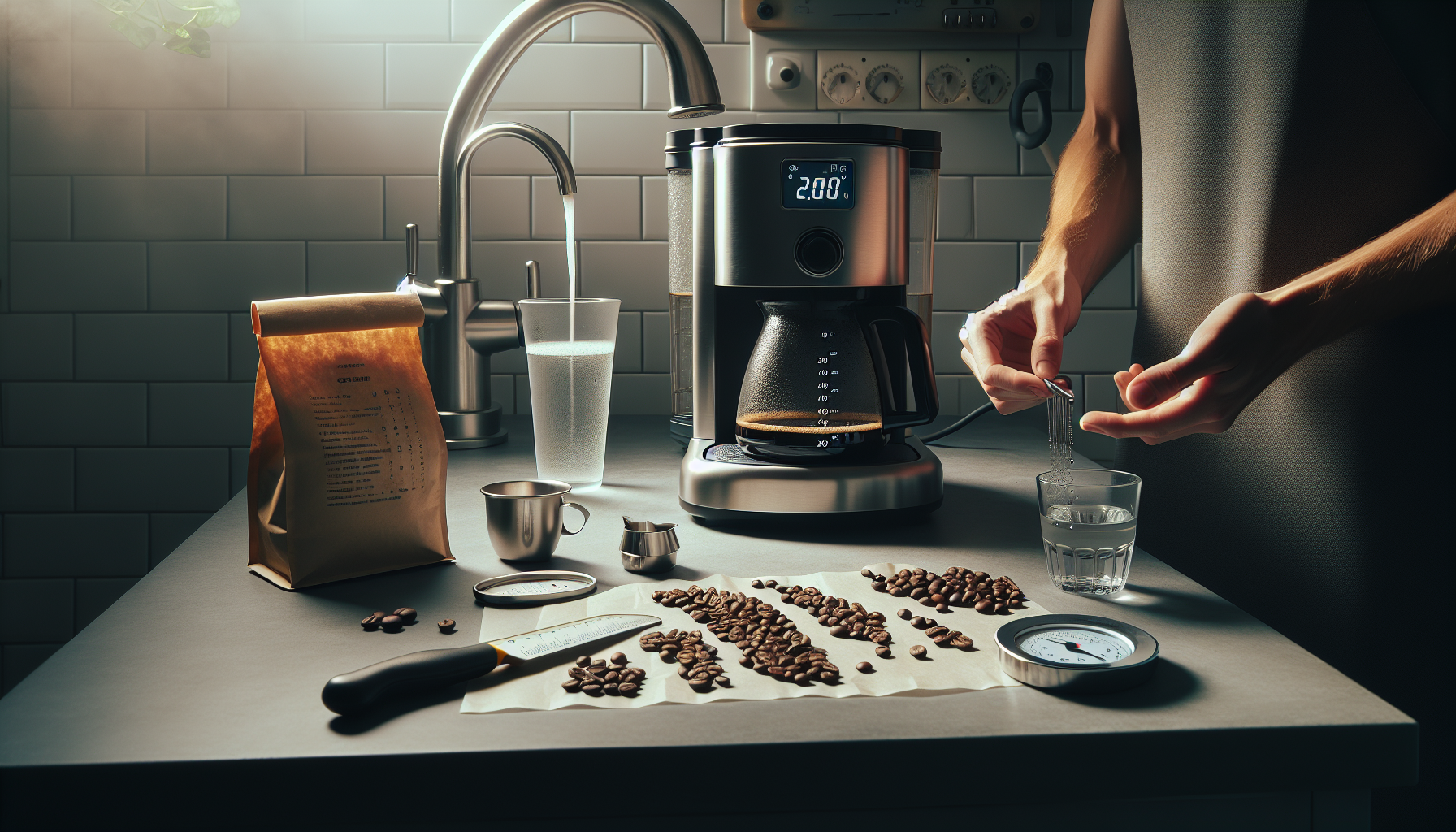
For coffee lovers, a perfect cup of coffee in the morning can make the day. But if your coffee maker is consistently producing coffee that tastes like mud, it can be frustrating. You might have tried different coffee beans, water, and cleaning methods, but the coffee still tastes bad. Fortunately, there are some tips and tricks to teach your coffee maker to brew coffee that doesn’t taste like mud.
How does one teach their coffee maker to brew coffee that doesn’t taste like mud?
Use Freshly Ground Coffee Beans
One of the most common reasons why coffee tastes like mud is because the coffee beans are stale. Stale coffee beans lose their flavor and aroma over time, and they can produce bitter coffee. To ensure that your coffee is fresh and flavorful, use freshly ground coffee beans. Grind the beans just before brewing, and make sure to use the right grind size for your coffee maker.
Adjust the Coffee-to-Water Ratio
The coffee-to-water ratio is crucial in making a good cup of coffee. If you use too much coffee, the coffee will be too strong and bitter. On the other hand, if you use too little coffee, the coffee will be weak and watery. To avoid this, use the right coffee-to-water ratio. A general rule is to use two tablespoons of coffee per six ounces of water. However, this ratio can vary depending on your taste preference.
Use the Right Water Temperature
The water temperature also plays a significant role in brewing coffee. If the water is too hot, it can over-extract the coffee and produce a bitter taste. If the water is not hot enough, it can under-extract the coffee and produce a weak taste. The ideal water temperature for brewing coffee is between 195°F and 205°F. Most coffee makers have a built-in heating element that heats the water to the ideal temperature. However, some coffee makers may not heat the water to the right temperature, so it’s essential to check the temperature before brewing.
Choose the Right Filter
The filter you use can also affect the taste of your coffee. Paper filters absorb oils from the coffee, which can result in a smoother and cleaner taste. However, paper filters can also trap the flavors and aroma of the coffee. On the other hand, metal filters allow more oils to pass through, resulting in a richer and fuller taste. However, metal filters can also let some sediment pass through, which can make the coffee taste muddy. Choose the right filter based on your preference and taste.
Experiment with Different Brew Methods
There are various ways to brew coffee, such as drip, French press, pour-over, and espresso. Each method has its unique brewing process, which can affect the taste of your coffee. If your coffee maker is consistently producing coffee that tastes like mud, try experimenting with different brew methods. You might find a method that suits your taste preference and produces coffee that doesn’t taste like mud.
Clean Your Coffee Maker Regularly
A dirty coffee maker can also affect the taste of your coffee. Over time, coffee oils and residue can build up in the coffee maker, which can make the coffee taste bad. To avoid this, clean your coffee maker regularly. Most coffee makers have a cleaning cycle or a manual cleaning process. Follow the manufacturer’s instructions on how to clean your coffee maker.
In conclusion, teaching your coffee maker to brew coffee that doesn’t taste like mud requires a bit of trial and error, patience, and attention to detail. By following the tips and tricks mentioned above, you can create a delicious cup of coffee that will satisfy your taste buds every time. Remember, making good coffee is an art, and with a little bit of practice and experimentation, you can become a master barista in no time!


