
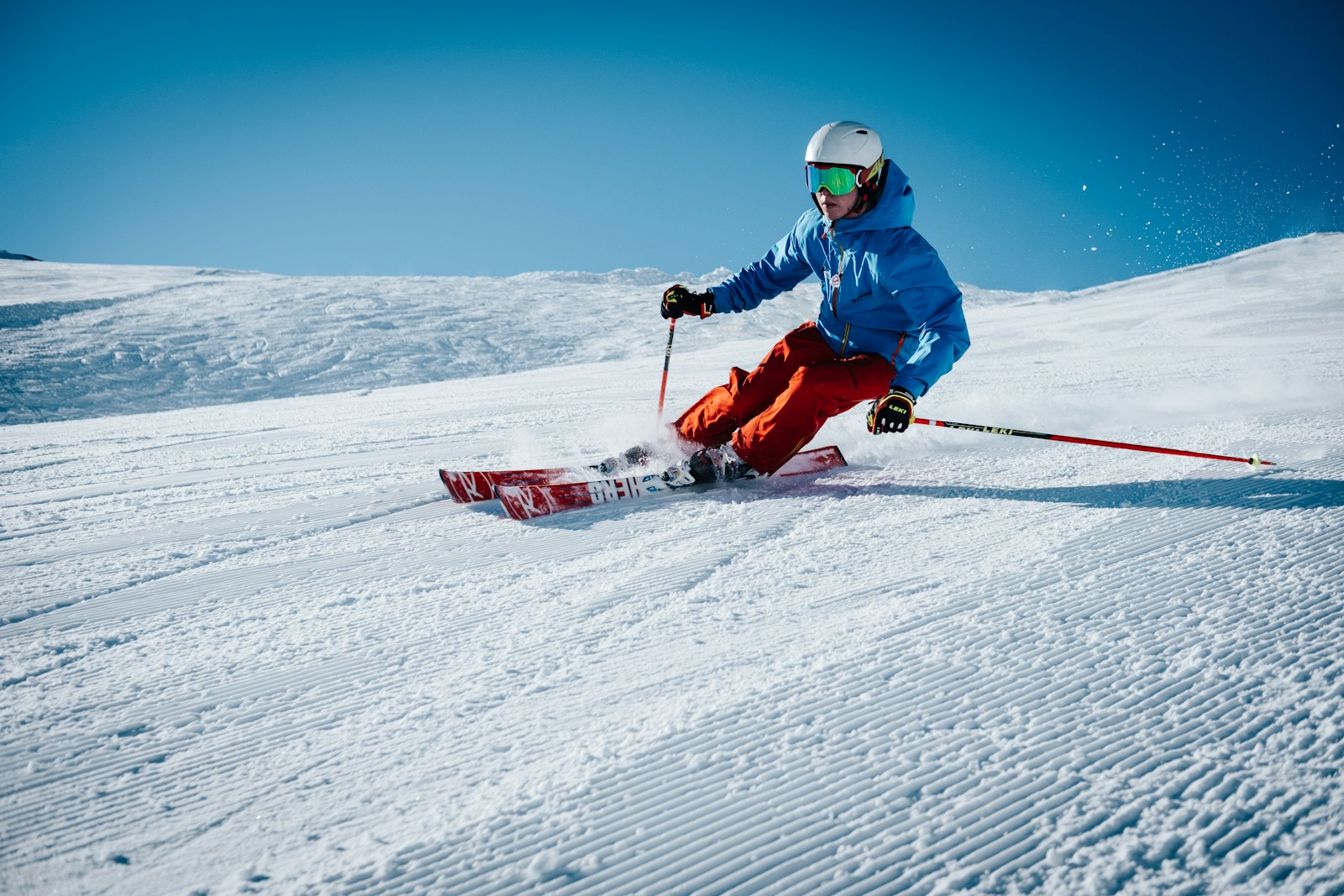
Picture this: your family is up at dawn, buzzing about fresh powder and perfect ski conditions. Someone is waxing skis, someone else is talking about black diamonds, and your aunt is already in her ice-skating outfit. You, on the other hand, are staring at your snow boots like they are medieval torture devices.
If you secretly dread every ski trip, snowboarding weekend, sledding day, or “fun family” resort vacation, you are far from alone. Many people feel pressured to join winter sports, then feel guilty for even thinking the words “I hate this” while everyone else seems thrilled.
It does not have to turn into a holiday feud. With a bit of clarity, some kind language, and a few cozy backup plans, you can speak up, lower your stress, and still enjoy time with the people you love, even if you never touch a ski lift again.
Why It Feels So Hard To Say You Hate Winter Sports
Disliking winter sports is not the real problem. The hard part is how it looks inside a family where skiing, snowboarding, ice skating, sledding, snowshoeing, or snow tubing have become symbols of fun, togetherness, and “what we do.”
There is a lot wrapped up in those snow days, and it helps to name what is going on before you try to change anything.
Family winter traditions and the pressure to play along
Holiday trips have a way of turning into sacred rituals. The “annual ski weekend,” the Christmas Eve skating outing, the New Year’s Day sledding hill, all start as one-off ideas and slowly become “our thing.” Once that happens, opting out can feel like breaking a family rule.
Maybe you know that sinking feeling. The group text lights up in October with talk about the big mountain trip. Everyone shares memories of last year’s runs. You remember last year too, but what you recall most clearly is standing on a windy slope wondering if toes can actually freeze off, counting minutes until hot chocolate.
When a tradition has a strong story around it, like “we are a ski family,” saying you are miserable in the cold feels almost like saying you do not belong.
Guilt about money, time, and effort your family puts into winter trips
Winter sports are not cheap. Lift tickets, snowboard rentals, ski lessons, helmets, snow pants, travel, lodging, it all adds up fast. Parents or partners may save all year for that one big ski trip. You see the credit card bills or the long hours at work that make it possible.
That can leave you feeling trapped. You might think, “They spent all this money, I have to ski,” even if you feel unsafe on the slopes or hate the entire experience. This kind of guilt shows up with kids and teens too, which is why some parents read resources like fitness tips for kids who do not like sports just to figure out how to handle it.
Money is real. Effort is real. Your comfort and safety are real too. Feeling grateful does not mean you owe your body to the mountain.
Worry that saying no to skiing or skating means rejecting your family
Many families quietly mix up “doing an activity together” with “loving each other.” If you say you do not want to ski or skate, they may hear, “I do not want to be with you,” even when that is not what you mean at all.
You might also feel that fear inside yourself. You may worry that if you skip the slopes, you will miss every important conversation, joke, or memory. Naming the difference helps. Hating skiing is not the same as hating your family. You can care about the people, and even about the holiday, while changing how you show up.
That idea, that love and activities are not the same thing, sits at the core of every healthy boundary, whether it is about sports or something more loaded, as writers on holiday boundaries with family often point out.
Get Clear On What You Actually Dislike About Winter Sports
Before you talk to anyone else, you need to know what is going on for you. “I hate winter sports” sounds big and dramatic, which makes it easy for people to argue with. Clarity shrinks the drama.
When you can explain what part you dislike, the talk becomes more practical and less like a verdict on the whole family.
Do you hate all winter sports, or just some parts of them?
Start with simple questions. Do you hate the cold, the early mornings, or the heavy gear. Is it the speed, the heights, the noise, or the risk of falling that sets your teeth on edge. Maybe the slopes are fine, but the crowded ski lifts make you panic.
You might recognize yourself in short profiles like, “I love hot chocolate but hate ski lifts,” or, “I like walking in fresh snow but not racing down hills,” or, “I enjoy watching snowboarding, I just do not want it to involve my knees.” The more honest detail you can find, the easier it is to describe what you need.
Your comfort, health, and safety are valid reasons to opt out
Plenty of people have straightforward reasons. Anxiety on steep slopes. Past injuries that make falls risky. Sensory overload from noise, bright light on snow, or tight gear. Motion sickness from lifts. Low stamina after an illness. Or just a steady, quiet feeling of “my body does not feel safe doing this.”
None of those need to be turned into a dramatic speech to count. You do not need a doctor’s note or a tragic backstory to say, “This is not good for me.” Your body is reason enough.
Decide what you are still willing to do during winter activities
Most families relax when they hear what you can do, not just what you will not do. So once you know what feels bad, consider what still feels okay.
Maybe skiing is out, but you are happy to walk around the village, sit in the lodge, or join après ski hot chocolate time. Maybe you like gentle sledding on a small hill, a flat snowshoe walk, or taking photos at the base. Many resorts now highlight non-skier options, from spas to food tours, as you can see in roundups of ski resorts that work well for non-skiers.
The goal is not to perform or pretend. It is to find a version of the day that does not drain you or scare you.
How To Talk To Your Family About Hating Winter Sports Without Starting a Feud
Once you understand your own limits, the next step is talking to the people around you. This part feels risky, especially if you have gone along with winter sports for years. A simple structure helps: good timing, clear “I” statements, warmth about the relationship, and steady calm if things get bumpy.
Pick the right moment to bring it up (not on the ski lift)
Timing matters. Telling everyone you are done with skiing while they are already in their boots is almost guaranteed to spike emotions. Try to talk before the trip is booked or at least before everyone is suiting up.
Good moments include a quiet phone call a week or two before the trip, a calm evening at home, or a planning chat when people are discussing dates and activities. You want a setting where no one is rushing out the door and where there is still room to adjust plans.
Use clear, kind “I” statements so it does not feel like an attack
Blame makes people tense. Clarity, without blame, gives them something to work with. “You all force me to ski” corners everyone. “I really do not enjoy skiing, but I still want to spend holiday time together,” leaves room for care and for problem-solving.
You can try phrases like, “I feel anxious on the slopes, so I would rather skip skiing and join everyone for dinner,” or, “I am not comfortable on ice, so I am going to sit out skating this year, but I’d love to be in charge of hot chocolate.” Short, honest, about you, not about what anyone else is doing wrong.
Name what you value about your family time so they feel loved
It helps to say out loud what you want to keep. That might be holiday dinners, late-night card games, baking, movie marathons, or slow walks through town with lights and music.
A sentence like, “I love our big dinners and late-night card games, I just do not like snowboarding,” separates the relationship from the sport. It reassures your family that you are not rejecting them, only shifting how you spend your energy during the day.
Stay calm if someone reacts badly or teases you
There may be jokes. There may be guilt trips. Someone might say, “Come on, do not be boring,” or, “We paid for your pass, you have to at least try.” This is where a simple, steady response helps.
You can repeat your line, kindly but firmly. “I get that you think it is fun, but I still do not feel comfortable on skis,” or, “I know you love it, and I am happy for you, it just is not for me.” You do not need a new explanation every time. You also do not need to argue anyone into agreeing.
If people are willing to listen, great. If they are not, your job is to hold your boundary without turning it into a speech.
When you need backup: talking to a partner or ally first
Sometimes it helps to have one person on your side before you face the full group. This could be a partner who already knows you hate skiing, a sibling who also prefers the lodge, or a cousin who is good at redirecting conversations.
You can share your plan and ask for simple support, like speaking up during planning or backing you when someone jokes too hard. Just having one ally in the room can take the “family feud” feeling down a level and make the conversation feel more balanced.
Offer Cozy Alternatives So You Still Feel Included in Holiday Fun
Saying “no” to winter sports does not have to mean saying “no” to winter. When you come with ideas in hand, it signals that you still want shared time, just in a way that works for you.
Suggest low risk or low effort winter activities you can handle
If you are open to some outdoor time, you might suggest activities that feel gentler. That could be easy sledding on a small hill, a walk through town to see lights, building a snowman with younger kids, or a short snowshoe on flat ground.
You can also offer to be the camera person, the snack runner, or the one who watches from the sidelines and cheers. Many non-skiers describe how they learned to enjoy resort trips by picking these lighter roles, as stories about how to have fun at a ski resort if you do not ski often show.
Plan cozy indoor holiday activities everyone can enjoy
Not every memory has to be set on ice or a slope. You might suggest a hot chocolate bar in the evening, a board game night, a big puzzle, cookie baking, a movie marathon, holiday crafts, or reading by the fire.
If family members are set on a full ski day, you can frame these ideas as “the other half” of the holiday. Sports during the day, cozy time at night. That way, people who love the slopes get their fun, and you get moments that feel warm and relaxed instead of tense and cold.
Offer to help with non-sport tasks so you still contribute
Part of the pressure to ski or skate comes from wanting to be seen as helpful, not like the one person doing nothing. You can bridge that gap by taking on roles that match your skills and comfort.
Maybe you cook one of the dinners, keep an eye on kids who are too young for the lifts, set up snacks, organize rides, or plan the evening schedule. You are still part of the trip’s success, just not strapped to a snowboard.
Setting Boundaries For Future Winter Holidays Without Drama
Once you have one honest talk, the next goal is to keep things from sliding back to “surprise, you are skiing again” next year. Future-you will thank present-you for being clear early.
Speak up earlier next time so it is part of the planning, not a surprise
It is easier to adjust a plan than to stop a moving train. When talk of next year’s ski trip pops up, you might say, “If we do another mountain trip, I would love to come, but I will not be skiing. Can we plan some other things I can join too.”
Saying it calmly, before money is spent and schedules are fixed, gives everyone space to factor your needs in. It also sends a signal that this is not a one-time whim but an ongoing truth.
Mix up holiday traditions so winter sports are not the only option
Some families genuinely enjoy winter sports and will keep them on the menu. Even then, there is room to broaden what “holiday tradition” means. You might suggest a cabin trip that focuses on cooking and board games, a city holiday with lights and museums, or a shorter ski day inside a longer visit with more non-sport time.
Travel writers who cover ski resorts that work for non-skiers in Europe and beyond often highlight this mixed approach, where some people ski hard and others spend the same days at spas, markets, or cafés. Variety can keep traditions from getting rigid.
Accept that some people may never fully get it, and that is okay
There will always be that one relative who cannot imagine not loving the slopes. They may keep asking you to “give it another try” or act baffled that anyone would choose the lodge over the run.
You cannot control their understanding. What you can control is your consistency. Kind, steady, repetitive messages work over time: “I am glad you enjoy it. I am going to stick with my way of doing winter.” Your body, your time, and your comfort belong to you, even if others would choose differently for themselves.
Conclusion
You can hate winter sports and still love your family, your holidays, and even the snow, as long as it is at a safe distance and with a warm drink in hand. The key is knowing what you dislike, speaking up early and kindly, offering real alternatives, and setting steady boundaries for future trips.
The first honest conversation may feel awkward, but it does not have to be a disaster. Try one small step before the next ski trip or skating outing, maybe a short “I” statement or a gentle suggestion for a cozy evening plan. Over time, you can build holidays that fit both your family’s traditions and your own sense of comfort, which is a pretty good winter win for any how-does-one.com reader.


