
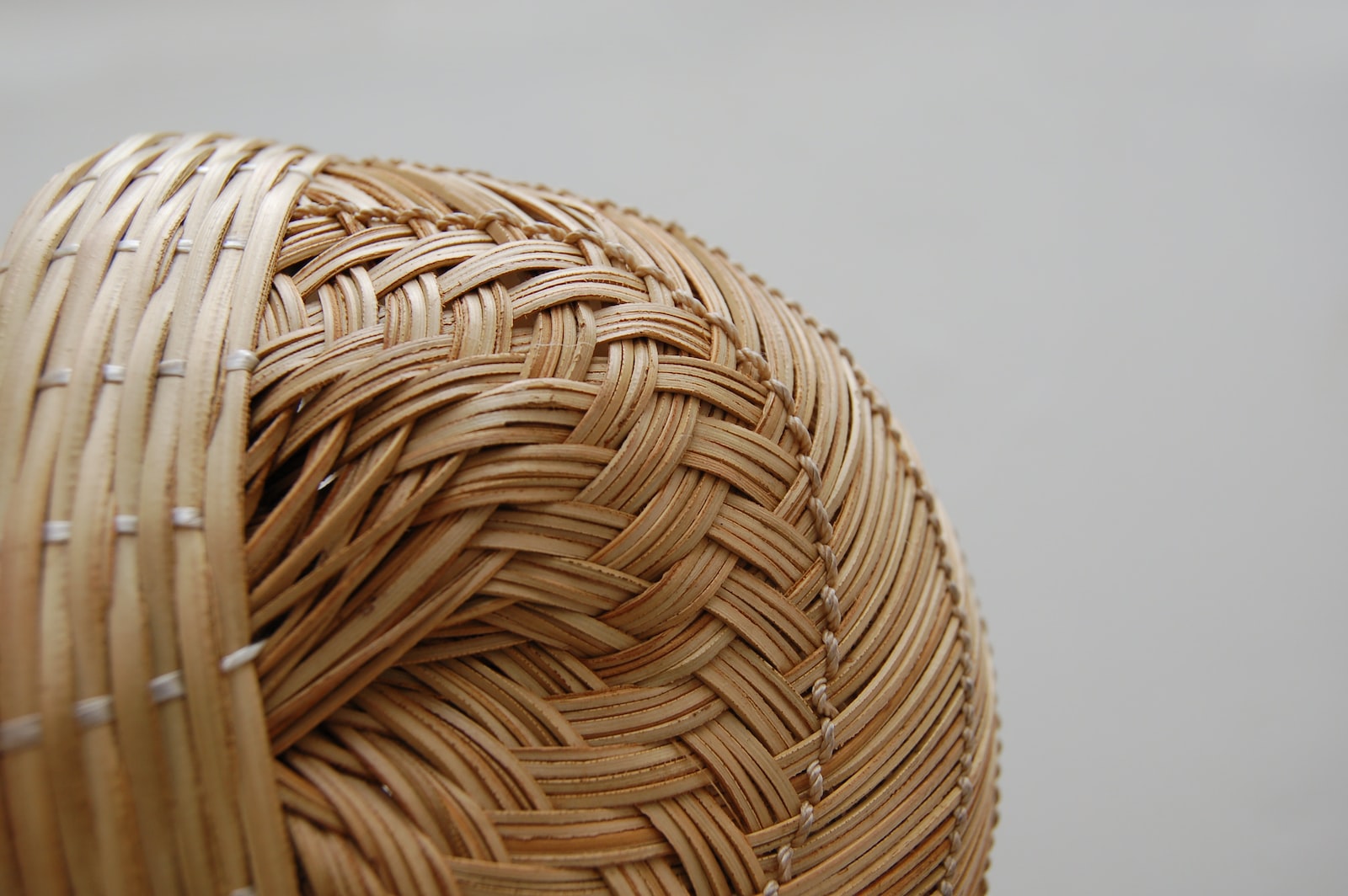
Basket weaving is an ancient craft that has been practiced by humans for thousands of years. Throughout history, baskets have been used for a variety of purposes, from carrying food and water to storing tools and other items. Today, basket weaving is still a popular hobby and craft, enjoyed by people all over the world.
One of the most interesting aspects of basket weaving is that it can be done using a wide variety of materials. While baskets can be made from man-made materials such as plastic or metal, many people prefer to use natural materials such as reed, willow, bamboo, or other types of plant fibers.
Weaving a basket from natural materials requires a combination of skill, patience, and creativity. To begin, the weaver must select the appropriate materials for the type of basket they wish to create. This involves choosing the right type of plant fiber, as well as selecting the appropriate thickness and length of each strand.
Once the materials have been selected, the weaver must prepare them for weaving. This typically involves soaking the plant fibers in water for several hours or overnight, in order to make them more pliable and easier to work with.
The next step is to create the base of the basket. This is typically done by weaving a series of horizontal and vertical strands together, using a technique known as “over and under” weaving. The weaver starts by placing one strand of material vertically on the table or work surface, and then weaving a horizontal strand over and under it. This process is repeated, with each new strand woven over and under the previous strands, until a solid base has been created.
Once the base has been completed, the weaver can begin to shape the sides of the basket. This is done by bending the vertical strands of the base upwards, and then weaving new horizontal strands over and under them to create a wall. The weaver can then continue to add new rows of weaving, shaping the basket as they go along.
One of the most important skills in basket weaving is learning how to create a tight weave. This requires careful attention to detail, as well as practice and patience. A loose or sloppy weave can result in a basket that is weak or flimsy, while a tight weave will create a strong, sturdy basket that will last for years.
As the basket takes shape, the weaver can begin to add decorative touches or embellishments. This might include adding colored or patterned strips of material, creating a unique design using a combination of weaving techniques, or incorporating other materials such as beads, feathers, or shells.
Once the basket is complete, the weaver must finish it off by trimming any excess material and securing the ends of the weaving strands. This can be done using a variety of techniques, depending on the type of basket and the materials used.
Overall, weaving a basket from natural materials is a rewarding and enjoyable craft that offers a unique opportunity to connect with the natural world. Whether you are a beginner or an experienced weaver, there are endless possibilities for creativity and expression in this ancient art form. With practice and dedication, anyone can learn how to weave a beautiful, functional basket that will be treasured for years to come.


