
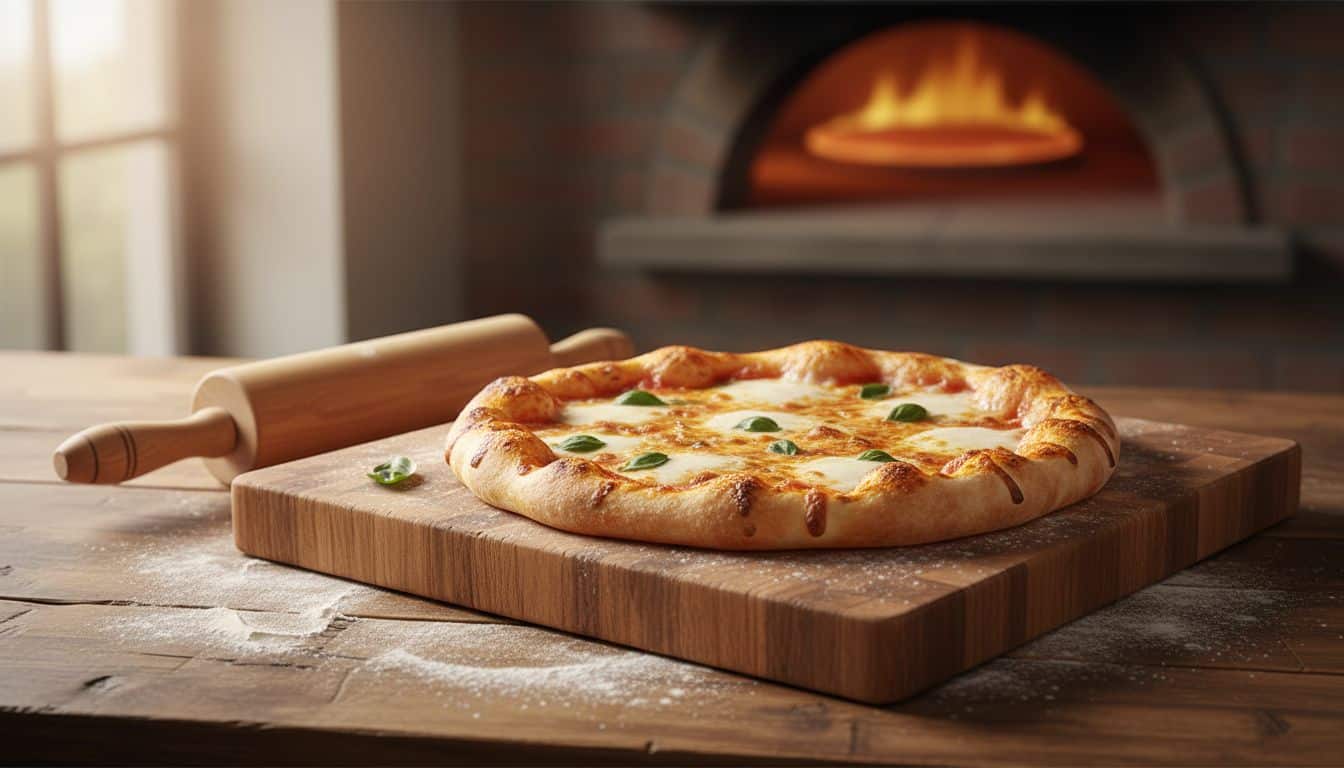
Few foods earn loyalty as quickly as pizza. A great slice feels easy, but a bad one fails in plain sight, with limp crust, flat sauce, and toppings piled so high they slide off in surrender.
If you want better pizza at home, you don’t need a brick oven or chef talk. You need balance, a little patience, and enough heat to let the dough do its job.
Why pizza works, and why style matters
Pizza looks simple because the parts are familiar. Dough, sauce, cheese, and toppings don’t sound mysterious. Still, the meal only sings when those parts pull in the same direction.
Modern pizza took shape in Naples, and Britannica’s overview of pizza is a useful snapshot of how the dish spread and changed. That history matters because it explains a basic truth: there isn’t one “real” pizza. There are styles, and each style asks for a different kind of crust, bake, and topping plan.
A Neapolitan pizza wants a soft, airy edge and a light hand with toppings. A New York slice needs structure, so it can fold without collapse. Pan pizza likes a crisp, fried bottom and a thicker crumb. Chicago deep-dish plays by its own rules, with sauce, cheese, and crust working more like a baked pie than a street slice.
That means the best pizza isn’t the one with the most stuff on it. It’s the one that knows what it is. If you load a thin crust like a casserole, the center turns wet. If you bake a thick pan pizza too fast, the top browns before the middle sets. Once you see pizza as a set of trade-offs, the whole subject becomes less mystic and more manageable.
The parts that matter most at home
Start with patient dough
Home cooks often blame themselves when pizza disappoints. Most of the time, the dough needed more time, not more panic. Flour, water, salt, and yeast can do a lot, but only if you let them rest.

A longer rest improves flavor and texture because the dough has time to relax and ferment. That’s why recipes like Bon Appetit’s all-purpose pizza dough lean on an overnight chill. You don’t need to knead forever, either. Mix until the dough comes together, then give it time.
Good pizza dough comes from patience more than muscle.
When you’re ready to shape it, handle the dough gently. Press from the center outward and keep some air in the rim. A rolling pin can flatten the life out of it, especially if you want a light edge. Also, let cold dough warm up a bit before stretching. Otherwise, it fights back like a stubborn bedsheet.
Choose toppings that know how to behave
Toppings should support the crust, not bury it. That sounds obvious, yet many homemade pizzas fail because every favorite ingredient gets invited at once.
Sauce is the first place restraint pays off. Use a thin layer, because too much moisture slows browning. Cheese needs the same common sense. Fresh mozzarella tastes great, but it can leak water, so blot it or use less. Low-moisture mozzarella browns better and gives you that classic stretch.
Then there are vegetables. Mushrooms, spinach, and peppers all carry water, and water is the enemy of crisp crust. So cook them first, or slice them thin and use a light hand. Meat needs balance too. Pepperoni earns its place because it brings fat, salt, and crisp edges. Sausage can work well, but loose chunks should be cooked first.
If you want ideas that don’t taste random, these smart topping combinations show why some pairings click and others turn muddy. Pizza isn’t improved by excess. It gets better when each bite still has room for crust, sauce, and cheese.
Heat changes everything
A good home oven can make good pizza, but only if you treat heat like an ingredient. Most people bake pizza before the oven is truly ready. The light turns off, the timer beeps, and the crust still hasn’t met real heat.
Preheat longer than you think. If you’re using a stone or steel, give it at least 30 to 45 minutes. That stored heat helps the bottom set fast, which keeps the center from turning pale and soft. No stone? A heavy sheet pan, preheated upside down, still helps.
Bake hot. Most home ovens do best at their highest safe setting, often 475 to 550 degrees F. Put the pizza on a lower-middle rack if the bottom needs more color. Move it higher only if the top lags behind. Also, don’t crowd the pie with sauce or toppings at the last second and expect heat to save it. Even strong heat has limits.
Watch for a few simple signs. The rim should puff and brown. The cheese should melt fully, with a few deeper spots. Most of all, the bottom should feel dry and firm, not floppy. If the top looks done but the base is pale, the pizza came out too soon.
Pizza rewards attention, not perfection. Once you understand style, dough, toppings, and heat, the gap between a decent pie and a memorable one gets much smaller.
That is part of the charm. Pizza feels casual, even playful, yet the best slice still comes from a few calm choices made at the right time.


