
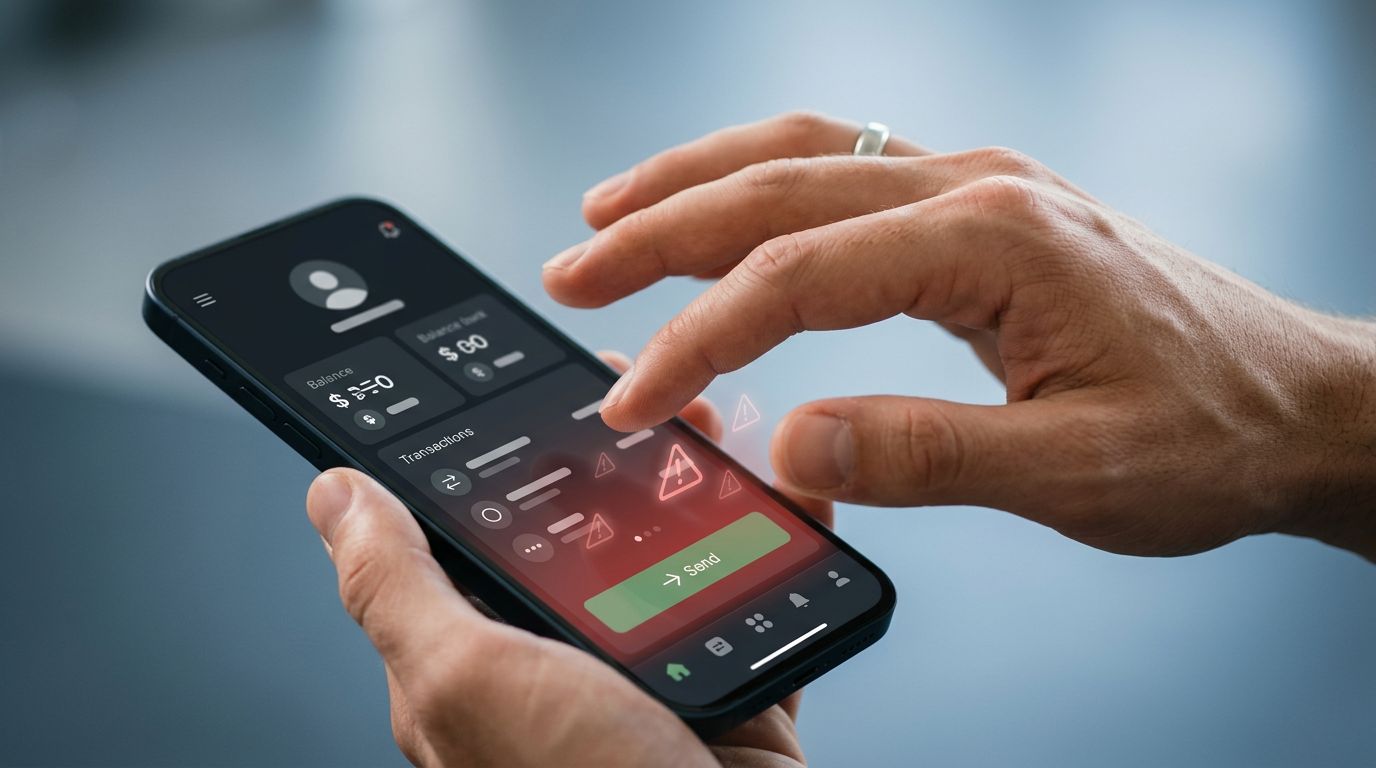
A Zelle scam rarely arrives wearing a fake mustache. It usually shows up sounding helpful, urgent, or weirdly confident, right when you don’t have the patience to play detective.
That is what makes Zelle scam signs easy to miss. The app feels familiar, the request sounds plausible, and the money moves fast. If you know what to watch for before you tap “send,” the whole thing gets much easier to stop.
Why Zelle scams feel believable
Zelle is built for speed. That is the point, and it is also the problem. When a payment arrives or a request pops up, it can feel as casual as texting a friend for pizza money. But Zelle is closer to handing over cash than swiping a credit card. Once money is sent, getting it back is often hard, and sometimes not possible.
Scammers know this. They do not need to hack your phone in a dark room with dramatic music. They need a story that makes you move fast. A fraud alert, a missed delivery fee, a buyer who is “ready right now,” a stranger who accidentally paid you, a romantic disaster that somehow needs rent money by noon. Different script, same trick.
One of the most common examples is the “pay yourself” setup. You get a text or call that looks like it came from your bank, then someone tells you to move money to protect it. Zelle explains this well in its warning about the pay yourself scam. The short version is simple: your bank will not ask you to send money to yourself, to a “safe” account, or to anyone else to fix fraud.
A real fraud team may tell you to review a transaction. It will not tell you to Zelle money to solve the problem.
That is the first mental shift to make. Do not ask, “Does this message look official?” Ask, “Why does this person need me to send money now?” A scam often falls apart the second you pull on that thread.
The red flags that show up before the payment
The easiest Zelle scam signs to miss are emotional, not technical. Pressure is a big one. If someone wants you to act before you think, they are borrowing urgency because they cannot borrow trust.

Watch how the request is framed. Maybe it is “send this now so your account stays secure.” Maybe it is “I already paid, you just need to upgrade your account.” Maybe it is “refund me right away, I sent money by mistake.” When the story changes every few minutes, or you feel hurried into solving a problem you did not create, step back.
The wording matters too, though not in a cartoon way. Bad grammar alone proves nothing. Honest people type like they are fighting their own keyboard. What matters is the whole pattern: vague greetings, no clear details, strange links, requests for codes, or a message that sounds official but pushes you away from your bank’s actual app or website. The marketplace and fake payment examples collected by LifeLock line up with this pattern again and again.
Another red flag is a request that makes Zelle do a job it was never meant to do. Zelle works best with people you know and trust. It is a poor referee for strangers, online sellers, rush-shipped bargains, and messy “I’ll pay you back after this clears” situations. If the whole deal only works if you skip normal checks, that is not convenience. That is camouflage.
Then there is secrecy. A scammer may ask you not to tell your bank, not to cancel, not to speak with family, or not to “mess up the process.” That is a giant neon warning sign, even when the message itself looks tidy and calm.
The scam stories people keep falling for
Scam stories change outfits, but they keep the same bones. Right now, a few setups show up over and over because they are effective, cheap to run, and easy to scale.
The fake fraud alert is still near the top. You receive a text or call saying your account is under attack. Then comes the twist: you are told to verify a code, move money, or send a Zelle payment to stop the damage. That is backwards. Fraud teams block bad transfers. They do not ask you to create one. CNBC’s rundown of common Zelle scam warnings highlights this same pattern.
The “accidental payment” story is another one. A stranger sends money, then pleads for it back. Maybe they sound embarrassed. Maybe frantic. Maybe they claim it was rent money for a child, a parent, or a dog with suspiciously expensive taste. If you send your own money back before your bank reviews the situation, you may be covering a stolen payment with your real funds.
Marketplace deals are messy in a different way. A buyer says they sent money, but you need to pay a fee to unlock it. A seller wants a deposit through Zelle before you can see the item. Someone sends a screenshot that looks like payment proof, but the money never lands. The details vary, yet the hook is the same: they want you to trust the screenshot, the story, or the pressure instead of your actual account.
Then there are the softer traps, romance scams, job scams, fake invoices, and account takeover attempts. These do not always sound like fraud at first. They sound personal. That is the point. Once feelings or fear get involved, people stop checking the basics. A request for your one-time code, your bank password, or a “small test payment” is still a scam, even if it arrives wrapped in charm.
How to slow things down without feeling rude
Most scam prevention is not high-tech. It is social. It is the small, stubborn choice to pause when someone wants speed.
Start with the source, not the message. If your bank supposedly contacted you, do not reply to the text and do not use the number inside it. Open your banking app yourself, or call the number on the back of your card. That one move cuts off a huge share of impersonation scams.
Next, verify the person in a separate channel. If a friend asks for money, call them. If a buyer says payment is pending, check your bank directly. If a seller wants a deposit, ask yourself whether you would hand the same amount in cash to a stranger in a parking lot. If the answer is no, your phone does not make it safer.
This part can feel awkward, especially when the other person seems sincere. Still, awkward is cheap. Fraud is expensive. You do not owe instant trust to a voice, a screenshot, or an urgent story. You owe yourself ten calm minutes and a second look.
A good rule is to treat any request for secrecy, codes, or extra fees as a stop sign. Zelle does not require you to pay a fee to receive money. Your bank does not need your one-time code to “confirm” it is really you on a call it initiated. If someone insists otherwise, the script has already gone bad.
When something feels off, do less, not more. Do not click. Do not send a “test” payment. Do not refund money from your balance to fix someone else’s problem. Check your account directly, save screenshots, and contact your bank if needed. Calm beats clever here.
Conclusion
Spotting a Zelle scam before sending money usually comes down to one question: who benefits from the rush? If the answer is not clearly you, stop and verify.
The clearest warning signs are pressure, strange payment instructions, requests for codes, and stories that only work if you skip basic checks. Trust your pause. That small delay is often the only gap a scammer cannot cross.


