
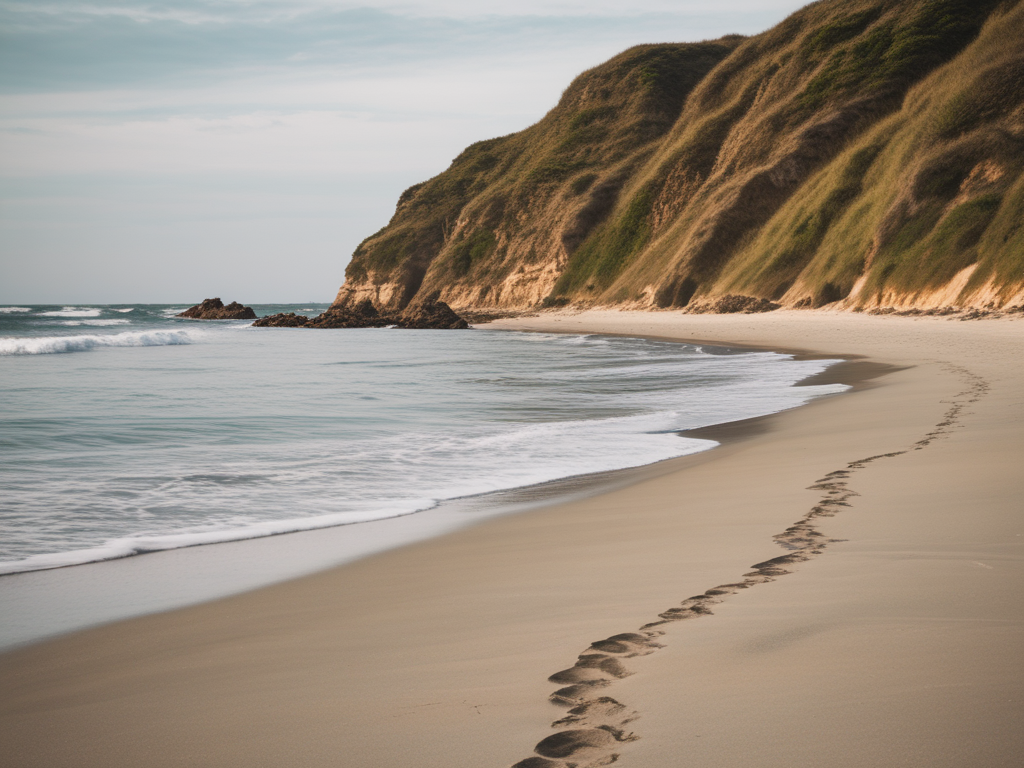
Finding the perfect spot on the beach can often feel like an uphill battle, especially when loud families scatter their chaos nearby. The sun may be shining, the waves gently crashing, but if your peace is shattered by boisterous laughter and raucous games, that serene day out can quickly turn sour.
To ensure a calming beach experience, you need a few effective strategies to navigate this dilemma. Start by scouting less crowded areas, exploring different sections of the beach, or even visiting during off-peak times. Understanding how to find that sweet spot, far enough away from the commotion yet close enough to enjoy the ocean breeze, is essential.
This guide will unwrap tried-and-true techniques that help you secure your slice of tranquility. From identifying quieter beach locations to timing your visit perfectly, you’ll learn how to enjoy the seaside without constant distractions ruining the joy. It’s time to reclaim your space and soak up the sun in peace.
Understanding Beach Dynamics
Selecting the ideal spot on the beach can often feel like a strategic game. It’s not just about finding a place to lay down your towel; the surrounding environment and timing can greatly impact your beach experience, especially when avoiding noisy crowds. The dynamics of the beach play a crucial role in this. Understanding the unique elements of beach layouts and identifying the best times to visit can make all the difference in achieving a peaceful day by the ocean.
Beach Layouts and Their Impact
Beaches aren’t all created equal. Different features can significantly influence the noise levels you’ll encounter. For instance:
- Coves create natural barriers that can deflect sound. If you find the right cove, you might be far removed from the commotion of nearby families.
- Sand Dunes can act as an effective sound barrier as well. They absorb sound and can keep the distant noise of beachgoers at bay.
- Distance from Amenities such as restrooms, food stalls, and parking areas often correlates with noise levels. Places closer to these amenities tend to be busier and noisier. If you want a quieter spot, try to stake your claim further away from these conveniences.
In essence, think of the beach as a sound landscape. The shapes and structures around you either echo the laughter of families or create havens of tranquility. Learning how these layouts affect noise can help you make smarter choices about where to set up your beach day. For a deeper dive into how these dynamics work, check out this informative article on how beach weather affects noise.
The Best Times to Visit
Timing is everything when it comes to beach outings. If peace is your priority, you need to consider both peak and off-peak periods. The beach can transform dramatically throughout the day.
Visiting the beach early in the morning often means enjoying fewer crowds and cooler temperatures. There’s something magical about watching the sunrise while the waves gently lap at your feet.
Similarly, late afternoons can also be a great time. As families begin to pack up and head home, you may find the beach emptying out. You can relish the warmth of the sun without the bustling crowds.
To plan your visit, keep these tips in mind:
- Morning Hours: Arrive between 7 AM and 10 AM for the most serene experience.
- Late Afternoon: Visit after 4 PM when most families begin to depart.
For additional insights into peak beach times, see what other parents are saying about beach timing on Reddit.
By understanding beach layouts and optimizing your timing, you can ensure that your next beach trip is not only enjoyable but also peaceful, away from the noise of loud families.
Tips for Locating a Quiet Spot
Finding the ideal peaceful spot on the beach often requires some strategic planning. No one wants to be too close to those loud families or boisterous groups. Here are some practical tips to help you secure a quiet area for your beach day.
Exploring Less Popular Areas
Instead of rushing to the main segment of the beach, consider exploring the less frequented edges or periphery areas. These spots often offer more tranquility. Many people flock to the easily accessible areas, leaving the quieter sections available for those willing to venture a little further. Think of these areas as hidden gems waiting to be discovered. Whether it’s on a rocky outcrop or a secluded cove, you might find an oasis of calm not far from the crowd. This approach is not only relaxing but can also provide stunning scenery, making your beach experience even better. For more insights on quiet beaches, check out this helpful guide.
Utilizing Natural Barriers
Natural barriers like rocks, dunes, and vegetation can significantly reduce noise levels. Positioning yourself behind such features can create a softer sound environment. Imagine a thick row of palm trees swaying in the breeze, blocking the sound of excited children and loud radios. These features don’t just help with noise; they often provide a bit of shade as well, making your stay at the beach more comfortable. Consider the layout of the area and choose spots that are naturally shielded from the noise of other beachgoers. Familiarizing yourself with the beach’s geography can enhance your overall experience.
Arriving Early
Getting to the beach bright and early can truly make a difference. You’ll have a better chance of claiming that coveted quiet spot before anyone else gets there. Plus, arriving early allows you to enjoy the serene atmosphere of the morning waves, often accompanied by stunning sunrises. When you arrive first, you can choose a location that offers peace and quiet away from louder crowds. Consider packing your gear the night before to streamline your departure. This simple act can turn your beach day into a relaxing escape.
Choosing Locations Near Amenities
Interestingly, areas near amenities like restrooms or food stands can sometimes be quieter. While it may seem counterintuitive, these locations often draw less noisy crowds, as many people prefer to settle further away from these conveniences. Plus, having these facilities nearby can enhance your day at the beach. You won’t have to trek far when nature calls, and you can easily grab a snack without disrupting your peaceful oasis. Keep this in mind when you pick your perfect beach location. For more on finding suitable beach destinations, explore this guide.

Photo by Asad Photo Maldives
Implementing these strategies can help you enjoy a quieter beach day, allowing you to relax and connect with the soothing sounds of the ocean. Remember, the beach is vast, and with a bit of exploration and planning, you can find your perfect spot.
Engaging with Fellow Beachgoers
Finding a peaceful spot on the beach while avoiding loud families can feel like a tricky puzzle. However, engaging with fellow beachgoers can help create an atmosphere of respect and cooperation. It’s all about striking the right balance. You can communicate your needs without being confrontational. Here are some effective ways to engage with those around you, especially when noise levels get a bit too high.
Setting Boundaries
Sometimes, it’s necessary to set boundaries with the families around you to ensure a peaceful experience. Politely addressing noise issues is key. You can approach them and say something like, “Hey there! I love the energy you guys bring, but the noise is a bit much for my little ones. Could you keep it down just a bit?” This way, you express your feelings without sounding accusatory.
Consider these tips for effective communication:
- Use “I” statements instead of “you” statements. For example, say, “I’m having a hard time hearing my music” instead of “You’re too loud.”
- Stay calm and friendly. A smile can go a long way in softening your request.
- Choose the right time to ask. Avoid interrupting their fun, maybe wait until they take a break or when they sound quieter.
If you’re looking for more specific advice, check out this article on Vacation Etiquette to learn how to be a considerate beachgoer while communicating effectively.
Offering Friendly Suggestions
A light-hearted approach can work wonders in promoting quieter behavior. Humor can break the ice and encourage cooperation without hard feelings. Here are some creative suggestions to consider:
- Use playful banter: Say something like, “Are you guys trying to start a beach concert? We might need earplugs soon!” This can lighten the mood and help them realize the noise level.
- Share a fun idea: You might suggest playing beach games that don’t require loud shouting, like frisbee or paddleball. Propose, “How about we have a sandcastle-building competition instead? That would be fun—and quieter!”
Engaging in friendly conversations can enhance your beach day. For more ideas on light-hearted interactions, explore resources like this icebreaker questions guide which can inspire easy dialogue.
Using these techniques can lead to a more enjoyable beach experience for everyone. It’s all about creating a shared space where everyone can relax and have fun.
Evaluating Beach Options
Finding the perfect beach spot that isn’t overrun by families can feel like searching for a needle in a haystack. However, with a bit of strategy and knowledge, you can identify more tranquil options. Here are tips to help you evaluate the best beach spots for peace and quiet.
Recommended Quiet Beaches
When it comes to quiet beaches, a few places stand out for their serene environments, away from the lively crowds. Here are some recommended spots for peace-seekers:
- Second Beach, Washington: This beautiful beach is less crowded and is perfect for those looking to enjoy nature without the noise of large groups. The tall trees surrounding the beach add to its serene atmosphere. More information can be found in this Travel & Leisure post.
- Dry Tortugas National Park, Florida: Accessible only by boat or seaplane, this remote beach is known for its stunning beauty and isolation. You can enjoy swimming, snorkeling, or just lounging in peace.
- Assateague Island, Maryland and Virginia: Known for its wild ponies and natural beauty, this beach offers a quieter experience. It’s a great spot for camping and observing wildlife in a serene setting. Check out further insights in this article about secluded beaches in the U.S..
- Lanikai Beach, Hawaii: It’s famous for its soft sand and turquoise waters. Although it can get popular during peak season, there are times when it remains peaceful, especially early in the morning.

Photo by Asad Photo Maldives
Beach Characteristics to Look For
When searching for a quiet beach, consider specific characteristics that can indicate a peaceful environment. These features can enhance your beach experience, making it more enjoyable and relaxing.
- Location and Accessibility: Beaches that are a bit harder to reach often deter large crowds. Look for spots that require a bit of effort to access, such as a short hike or a boat ride. This extra step usually maintains a more tranquil atmosphere.
- Natural Barriers: Look for beaches that have natural features like cliffs, rocks, or large trees. They not only provide beautiful scenery but also act as sound barriers from noise.
- Size of the Beach: Larger beaches can distribute people more evenly, so you won’t feel crammed in a small area. Wider expanses of sand allow for more room to breathe, even when there are other visitors nearby.
- Time of Day: Early mornings and late evenings are often quieter at popular beaches. The soft light of sunrise or sunset adds to the charm while giving you a chance to enjoy solitude.
By considering these beaches and characteristics, you can find a peaceful spot to enjoy the sun, sand, and surf without the distraction of noisy families.
Conclusion
Finding the ideal beach spot that’s peaceful and away from noisy families involves a blend of strategy and mindfulness. Consider time of day, location, and beach layout to enhance your experience. Opting for less popular beaches or exploring further from entrances can significantly reduce disruptions.
Prioritize your comfort and enjoyment. Take the time to scout for that perfect spot where you can relax and recharge, away from distractions.
As you plan your next beach day, reflect on what truly enhances your enjoyment of the sun, sand, and sea. What strategies will you use to create your own serene beach experience? Sharing your thoughts or experiences could inspire someone else to seek their peaceful haven. Your beach time deserves to be a refuge, so make it count.


