
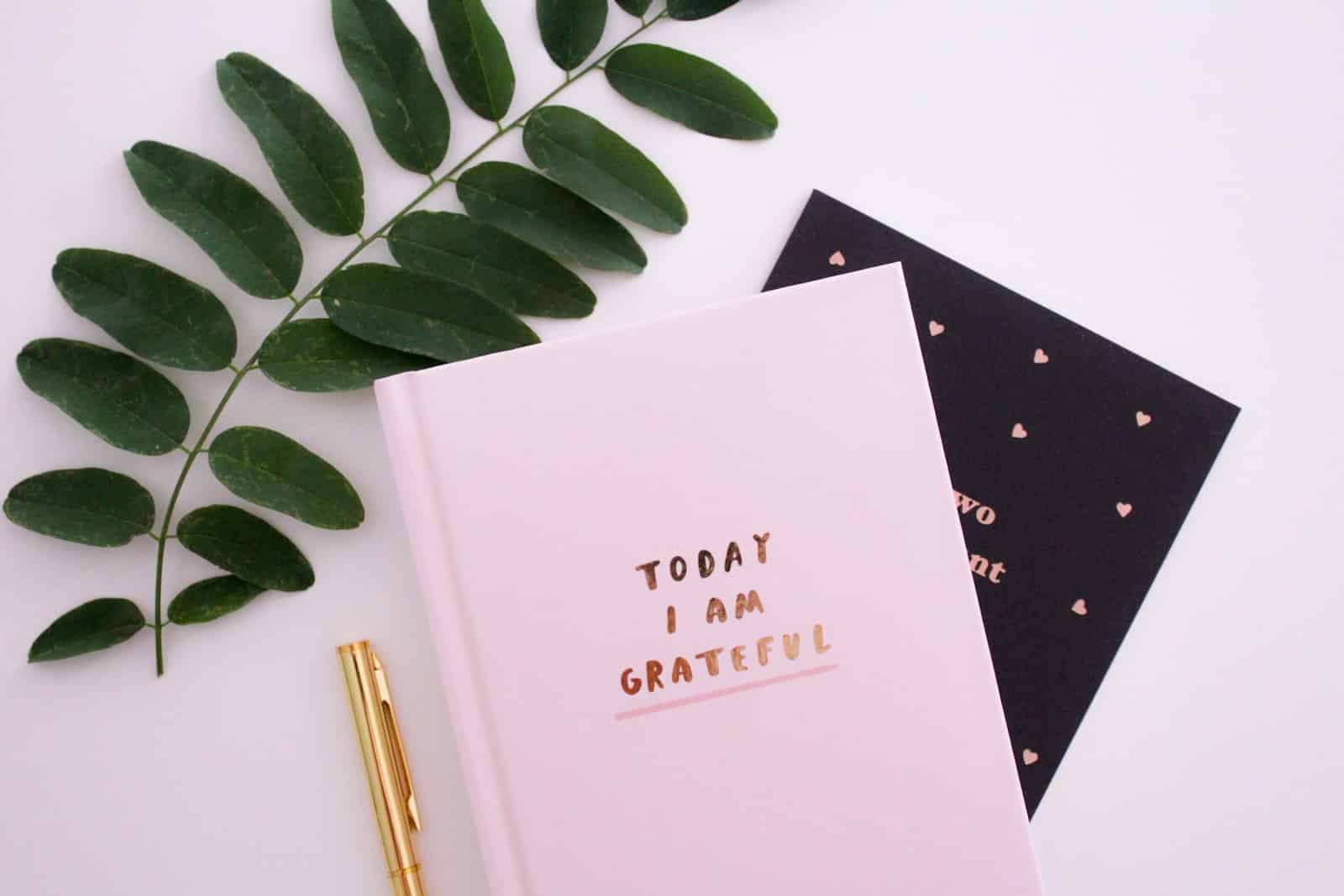
Picture a rushed morning in the winter season. Coffee in one hand, phone in the other, brain already sprinting. Maintaining habits can feel especially tough when the days are shorter and colder. Now imagine stopping for 60 seconds to slow down and notice one thing that is steady or kind or helpful. A warm mug. A quick text from a friend. The first light on the kitchen floor. That tiny pause can move your mood one notch toward calm.
Gratitude is not a performance. It is simply noticing and appreciating what is good, helpful, or meaningful, without pretending problems do not exist. Gratitude balances your attention so you can see both the hard and the helpful parts of a day. The promise here is practical: science-backed benefits, small daily steps with winter motivation tips, and easy ways to make it stick, even when life is loud.
Recent research links gratitude with better mood, less stress, better sleep, stronger relationships, and stabilized energy levels. Some effects can show up within weeks, and you do not need long sessions to benefit. If you have tried journaling before and dropped it, you are not alone. This guide keeps things tiny, uses clear cues, and shows you how to keep your practice fresh and honest as part of your routine. You will learn what gratitude is, how to practice it in daily life, ways to keep it from going stale, and how to track real progress you can feel.
What Is Gratitude and Why It Matters in Everyday Life
Think of gratitude as both an attitude and a skill. It is the practice of noticing, appreciating, and sometimes expressing thanks for things that are good, helpful, or meaningful. It does not deny pain. It simply widens the frame so you can also see what is working, where support shows up, and what you can build on.
The benefits reach across daily life. People who practice gratitude report a better mood, less stress, fewer symptoms of anxiety and depression including the winter blues, improved sleep, more optimism, and stronger ties with others. There may be heart health benefits too, through lower stress responses and better health habits. A 2023 meta-analysis found that simple gratitude practices, like journaling or writing thank you notes, can raise well-being and support mental health. For a plain-English summary of that review, see this PubMed entry, The effects of gratitude interventions: a systematic review and meta-analysis.
How it works is straightforward. Gratitude trains your brain to spot concrete positives. Over time, that builds resilience. You learn to notice small wins on hard days, which helps you cope without checking out. The next steps turn that idea into simple habits you can start today, including ways to set new goals.
The science-backed benefits you can feel in weeks
- More positive mood, less daily stress, fewer symptoms of anxiety and depression.
- Better sleep quality, reduced feeling lethargic, and a steadier sense of control.
- Stronger connection with friends, family, and coworkers.
A 2023 meta-analysis reported that gratitude interventions improve mental health and life satisfaction. Even small, regular practices can help within 2 to 8 weeks, especially when paired with steady sleep and some movement, and they can manage external challenges like limiting daylight. Gratitude supports health, but it does not replace professional care.
How gratitude shifts your focus from lack to enough
Our brains have a negativity bias. They scan for threats, miss small joys, and replay annoyances. Gratitude balances that pull. When you name specific moments and know your why, you train attention. The next day, your mind is a bit quicker to notice what is working.
Try this during a long commute. You can appreciate a good podcast, a safe drive, or a pocket of thinking time. The commute did not change. Your attention did.
Why gratitude strengthens relationships at home and at work
Expressed thanks builds trust, goodwill, and a sense of fairness. Teams work better when people feel seen. Families feel warmer when small efforts get noticed out loud. The key is to be specific about the action and why it mattered, fostering a deeper connection with peers.
Two quick examples help. Thank a coworker for sending clear instructions that saved you time. Thank a partner for taking the trash out when you were on a call. That kind of detail grows future helpful acts. For more on how gratitude links to social well-being, see this 2024 paper on the tie between gratitude and loneliness, Meta-analysis of the association between gratitude and loneliness.
Daily Gratitude Practices You Can Start Today
Set small goals with small steps that fit busy lives. Keep your notes short. Aim for specific moments, not long lists. Pick one method to try this week, then add another later.
A 3 minute morning and evening routine
- Morning: ask, What is one thing I am grateful for today and why does it matter? Breathe slowly for three breaths as you picture it.
- Evening: write three good things that happened, then add one sentence about what caused each one. This builds a sense that your actions matter.
- Plan ahead to use simple cues. Do it right after brushing your teeth or setting your alarm.
A gratitude journal that actually sticks
- Keep entries short, 3 to 5 lines. Be specific. Instead of I am grateful for my family, try I am grateful my sister called to check on me after my test.
- Frequency matters more than length. Daily suits many people, weekly can work too.
- Use one home for your notes, a notebook, a notes app, or a dedicated app, so review is easy.
- Rotate quick prompts:
- A small comfort I enjoyed today
- Someone who helped me and how
- A challenge that taught me something
- A moment I savored with my senses
- One thing I am looking forward to
If you want a gentle primer with more ideas, explore How to Practice Gratitude.
Savor small moments with your five senses
Savoring is a pause on purpose. Stop for 10 to 20 seconds and let a good moment sink in. Use your senses to anchor it. Notice the smell of coffee, warm sunlight on your face, the sound of laughter, the first bite of a meal, or a soft blanket on your lap. Try a micro-pause during meals or walks to appreciate healthy habits, like remembering to stay hydrated or fuel up with nourishing comfort food. These cues turn routine into steady moments of thanks.
Say thank you out loud or in a note
Use a simple script. Thank you for [specific action]. It helped me [result], and I appreciate that you [quality]. You can send a text, write a sticky note, or leave a short voice memo. One message per week keeps it easy. The lift is double. It helps the person you thank, and it boosts your own mood as you name what worked.
Try small rituals, like a gratitude jar or mealtime pause
A gratitude jar is simple. Write one good thing on a slip each day. Read a handful on tough days or at the end of the month. A mealtime pause is one sentence of thanks for the food and the people who made it possible. Kids can draw their gratitude and drop it in the jar, which makes the habit social and fun.
Make Gratitude a Habit, Not a Chore
Making gratitude a habit can be tough, especially when staying motivated in winter adds extra challenges like shorter days and holiday stress. Habits last when they are tiny, clear, and kind to your schedule. Boredom, busy days, and hard emotions will show up. You can plan for all three without forcing fake smiles.
Use habit stacking, cues, and tiny steps
- Stack on what you already do. After I pour my coffee, I write one line in my journal. After I park the car, I think of one good thing from today.
- Set cues you never skip, brushing teeth, lunch break, bedtime alarm. Keep your journal and pen in sight.
- Start tiny. Commit to one sentence per day as realistic goals. Let success build momentum.
Keep it fresh, rotate methods each week
- Rotate formats to avoid autopilot. Journal on weekdays, thank you notes on Fridays, savoring practice on weekends.
- Try theme weeks. People, health, nature, learning, small wins.
- If boredom creeps in, switch methods rather than quit.
For more structured exercises you can sample, this roundup offers practical options, 20 Gratitude Exercises & Activities to Boost Wellbeing.
Practice gratitude on hard days without faking it
Mixed feelings are normal. You can say, This was a rough day, and I am grateful for a hot shower. Gratitude helps cope even with the challenge of cold weather. Aim for one small, true thing, even if it is neutral, like a working bus, a stable internet connection, or a quiet minute. Use gentle reframes like I get to instead of I have to when it feels honest. Avoid toxic positivity. Gratitude should never silence real concerns. Try to embrace the season through specific, honest moments of thanks.
Share it with others, make it social
Family routines help. Each person can share one gratitude at dinner or bedtime. Friends can trade a weekly appreciation text. Teams can start meetings with one quick thank you or a win from the week. If you like accountability, find a buddy and pair up with someone to swap one line of gratitude each evening.
Track Your Progress and Stay Motivated
Tracking your progress is essential for combating the winter slump. When you see gains, you keep going. Keep tracking light so it helps, not hassles.
Simple ways to measure the impact
- Track a daily mood score from 1 to 10, plus one line on energy or stress.
- Note sleep quality with a single word, solid, okay, restless.
- Track your activity levels to stay active, perhaps noting indoor workouts if facing a weather barrier.
- Once a week, write one sentence about connection, like I felt close to or supported by.
- Look for small, steady trends over time.
Weekly and monthly reflection that recharges your practice
- Weekly, scan your entries, circle your top three moments, and write one thing you will repeat next week.
- Monthly, read your best notes aloud, notice themes, and add them to a page titled What works for me.
- Set a tiny goal for next month, like three nights of journaling or four thank you messages.
Common mistakes to avoid
- Forcing gratitude or pretending everything is fine.
- Writing long lists without meaning, instead of short, specific notes.
- Comparing your life to others, which steals attention from your own wins.
- Skipping the why. The reason something mattered deepens the feeling.
When to get extra support
- If low mood, anxiety, or sleep problems do not improve, speak with a health professional.
- Gratitude is a helpful tool, not a cure. It pairs well with therapy, medication, and self-care.
- Ask for help early, and keep using gentle gratitude practices while you get support.
You can also explore research on expressed thanks and well-being in this 2023 paper, The Effect of Expressed Gratitude Interventions on Psychological Wellbeing, if you want to go deeper into what works.
Conclusion
Gratitude is a daily skill that trains attention and lifts well-being, especially amid the challenges of the winter season. The playbook is simple and serves as effective winter motivation tips. Learn what gratitude is, try one small practice, stack it to a cue you already do, keep it fresh, and track a few signs of progress. Here is a 60 second starter: pause and get some fresh air, name one good thing, write one line about why it mattered, then send one thank you if you can. Choose one habit to try tonight, and let it carry you into tomorrow.
This simple plan helps maintain habits for staying motivated in winter, with consistency and accountability through shared practice. Start small, stay honest, and watch for more good moments and a boost to energy levels this week.


