
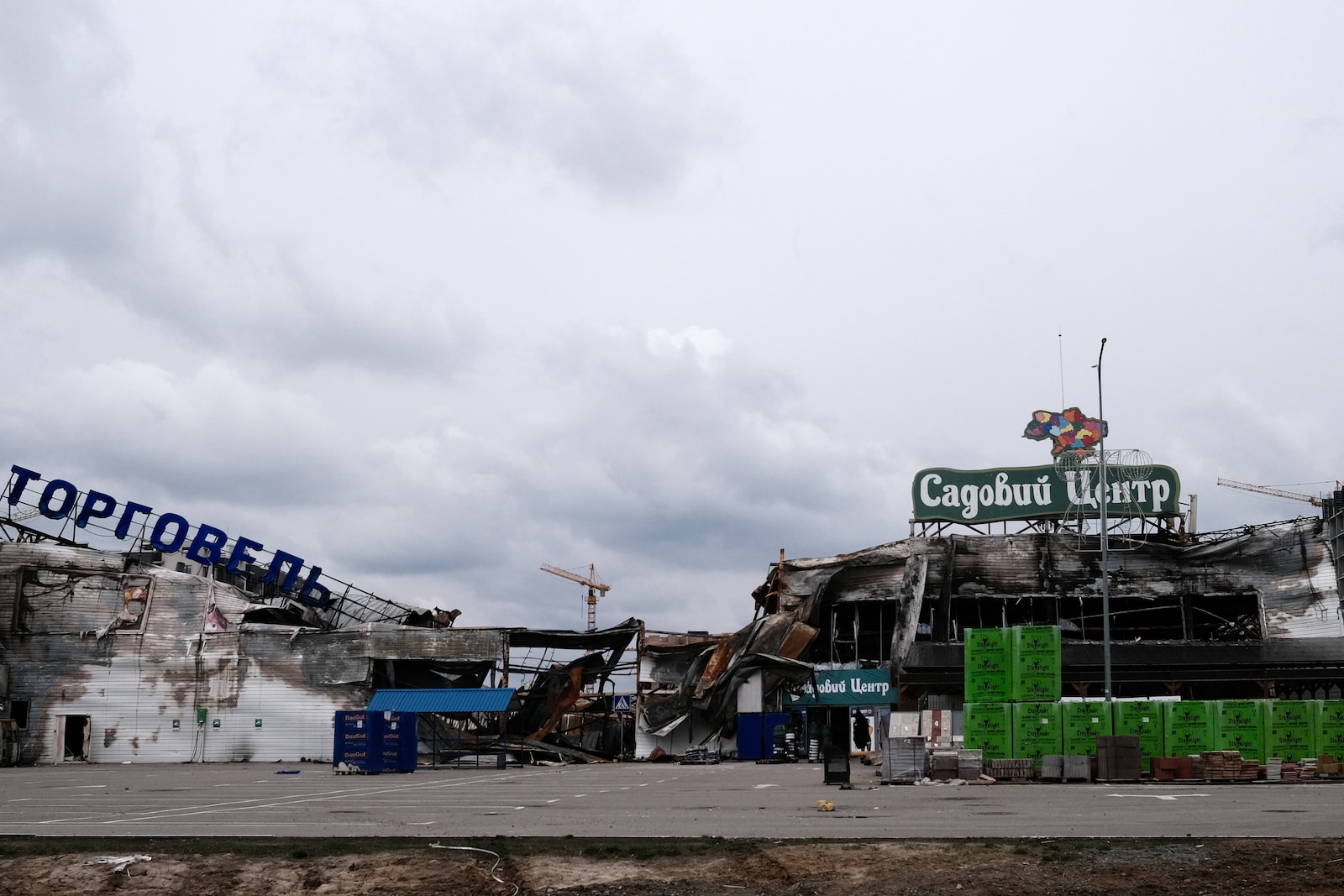
International organizations play a crucial role in preventing and responding to war crimes, serving as key actors in upholding international law, promoting peace, and protecting human rights. Analyzing the role of these organizations provides valuable insights into their effectiveness, challenges, and contributions in addressing war crimes. This article explores how one can analyze the role of international organizations in preventing and responding to war crimes, highlighting key considerations and perspectives.
Analyzing the Role of International Organizations in Preventing and Responding to War Crimes
International Organizations and War Crimes
International organizations, such as the United Nations (UN), International Criminal Court (ICC), and various regional bodies, have mandates and mechanisms aimed at preventing and responding to war crimes. Analyzing their role involves considering the following aspects:
- Legal Frameworks and Conventions: International organizations contribute to the development and enforcement of legal frameworks and conventions that address war crimes. Analyzing their role involves assessing the effectiveness of these instruments in defining war crimes, establishing accountability mechanisms, and promoting deterrence.
- Prevention and Early Warning: International organizations have a responsibility to prevent and respond to potential war crimes through early warning systems, conflict analysis, and diplomatic interventions. Analyzing their role involves evaluating their ability to identify and address risk factors and triggers that may lead to war crimes.
- Peacekeeping and Peacebuilding: International organizations often deploy peacekeeping missions and engage in peacebuilding efforts in conflict-affected regions. Analyzing their role entails examining how these missions contribute to the prevention of war crimes, protection of civilians, and restoration of stability.
Investigation and Accountability
International organizations play a critical role in investigating war crimes and ensuring accountability for perpetrators. Key considerations for analysis include:
- Fact-Finding Missions: International organizations may establish fact-finding missions to investigate alleged war crimes. Analyzing their role involves assessing the credibility, independence, and effectiveness of these missions in gathering evidence and documenting violations.
- International Criminal Tribunals and Courts: International organizations, such as the ICC and ad-hoc tribunals, prosecute individuals responsible for war crimes. Analyzing their role entails evaluating the effectiveness of these institutions in delivering justice, holding perpetrators accountable, and deterring future crimes.
- Cooperation with National Jurisdictions: International organizations support and cooperate with national jurisdictions in prosecuting war crimes. Analyzing their role involves examining the extent of cooperation, capacity-building efforts, and the promotion of complementarity between international and domestic justice systems.
Protection of Civilians and Humanitarian Assistance
International organizations are involved in the protection of civilians affected by war crimes and providing humanitarian assistance. Key considerations for analysis include:
- Human Rights Monitoring and Advocacy: International organizations monitor human rights violations, including war crimes, and advocate for their protection. Analyzing their role involves assessing the impact of their monitoring mechanisms, reporting, and advocacy efforts on preventing and addressing war crimes.
- Humanitarian Assistance and Support: International organizations provide essential humanitarian assistance, including shelter, food, and medical aid, to affected populations. Analyzing their role entails evaluating the effectiveness of their response in mitigating the impact of war crimes on civilians and ensuring their basic needs are met.
Challenges and Opportunities
Analyzing the role of international organizations in preventing and responding to war crimes requires considering the challenges and opportunities they face:
- Political Constraints and Power Dynamics: International organizations often face political constraints and power dynamics that impact their ability to prevent and respond to war crimes. Analyzing their role involves understanding the influence of geopolitics, national interests, and conflicting agendas on their effectiveness.
- Resource Limitations: International organizations operate within resource limitations, which may affect their capacity to address war crimes comprehensively. Analyzing their role includes assessing the adequacy of resources and exploring opportunities for increased support and funding.
- Collaboration and Partnerships: International organizations often work collaboratively with states, civil society, and other stakeholders. Analyzing their role involves examining the effectiveness of these partnerships in mobilizing collective action, sharing expertise, and leveraging resources to prevent and respond to war crimes.
Conclusion
Analyzing the role of international organizations in preventing and responding to war crimes provides critical insights into their contributions, challenges, and opportunities. By assessing their efforts in establishing legal frameworks, preventing conflicts, investigating crimes, protecting civilians, and delivering justice, we can enhance their effectiveness, address gaps, and strengthen the global response to war crimes. Continued analysis and evaluation of their role will contribute to improving accountability, promoting peace, and safeguarding human rights on a global scale.


