
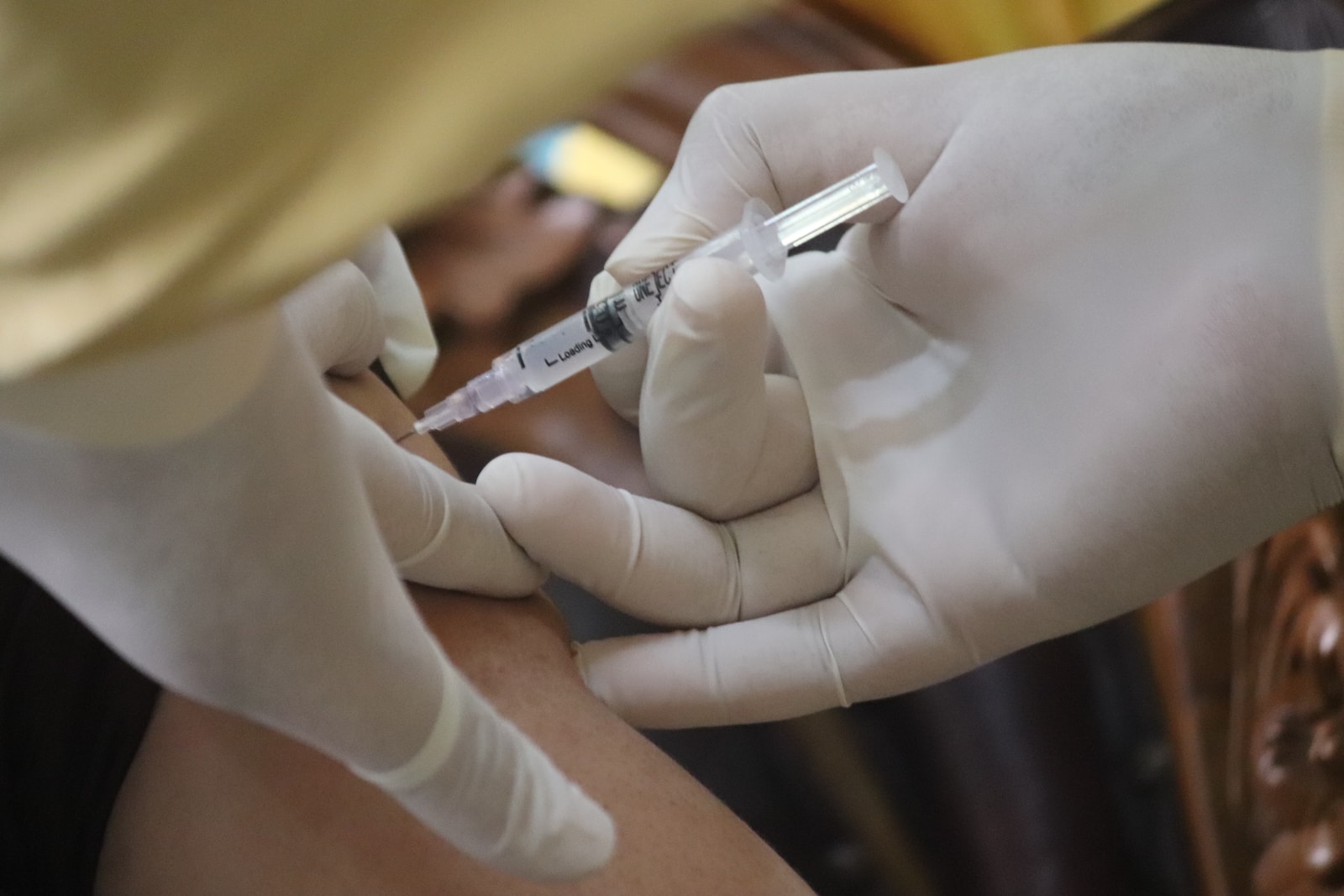
Vaccines are essential tools in preventing infectious diseases and safeguarding public health. When evaluating the safety and efficacy of vaccines, it is crucial to assess their long-term effects. Long-term studies play a vital role in monitoring the potential benefits and risks associated with vaccines over extended periods. This article explores the methods and considerations involved in assessing the long-term effects of vaccines to ensure their continued safety and effectiveness.
Assessing the Long-Term Effects of Vaccines
1. Post-Licensure Surveillance
Post-licensure surveillance is a critical component of assessing the long-term effects of vaccines. Regulatory authorities and public health agencies establish systems to monitor vaccine safety and effectiveness after they are approved and introduced into routine use. These surveillance programs collect and analyze data on adverse events following immunization (AEFI) to detect any potential long-term effects that may arise.
2. Longitudinal Studies
Longitudinal studies are essential for evaluating the long-term effects of vaccines. These studies follow individuals who have received vaccines over an extended period, tracking their health outcomes and comparing them to unvaccinated or placebo groups. Longitudinal studies provide valuable insights into the potential benefits and risks associated with vaccines beyond the initial evaluation stages.
3. Vaccine Safety Databases
Vaccine safety databases serve as valuable resources for assessing long-term effects. These databases collect and store information on reported adverse events, allowing researchers to analyze trends, identify potential signals, and evaluate the long-term safety profile of vaccines. Examples of such databases include the Vaccine Adverse Event Reporting System (VAERS) in the United States and similar systems in other countries.
4. Active Surveillance Programs
Active surveillance programs involve proactive monitoring of vaccinated individuals to detect and investigate potential long-term effects. These programs may involve regular check-ins, health surveys, and medical examinations to assess the long-term health outcomes of vaccinated individuals. Active surveillance ensures ongoing monitoring and evaluation of vaccine safety beyond the initial stages of introduction.
5. Population-Based Studies
Population-based studies analyze large datasets to assess the long-term effects of vaccines at a population level. These studies often involve collecting and analyzing data from electronic health records, health insurance claims databases, or national health registries. By examining a wide range of health outcomes in vaccinated populations, researchers can identify any potential long-term effects associated with specific vaccines.
6. Collaboration and Data Sharing
Collaboration and data sharing among researchers, healthcare providers, and regulatory agencies are crucial for assessing the long-term effects of vaccines. By pooling resources and sharing data, researchers can conduct robust studies with larger sample sizes and more diverse populations. This collaborative approach enhances the ability to detect rare or delayed long-term effects that may not be apparent in smaller studies.
7. Meta-Analyses and Systematic Reviews
Meta-analyses and systematic reviews play a vital role in synthesizing and analyzing existing studies on vaccine safety and long-term effects. These comprehensive reviews examine multiple studies, evaluate the quality of evidence, and provide a more comprehensive understanding of the long-term effects associated with specific vaccines. Meta-analyses help identify consistent patterns and potential areas for further research.
Conclusion
Assessing the long-term effects of vaccines requires a multi-faceted approach that combines post-licensure surveillance, longitudinal studies, vaccine safety databases, active surveillance programs, population-based studies, collaboration, and meta-analyses. By utilizing these methods, researchers and public health agencies can continue to monitor and evaluate the safety and effectiveness of vaccines over extended periods, ensuring their continued protection of public health.


