
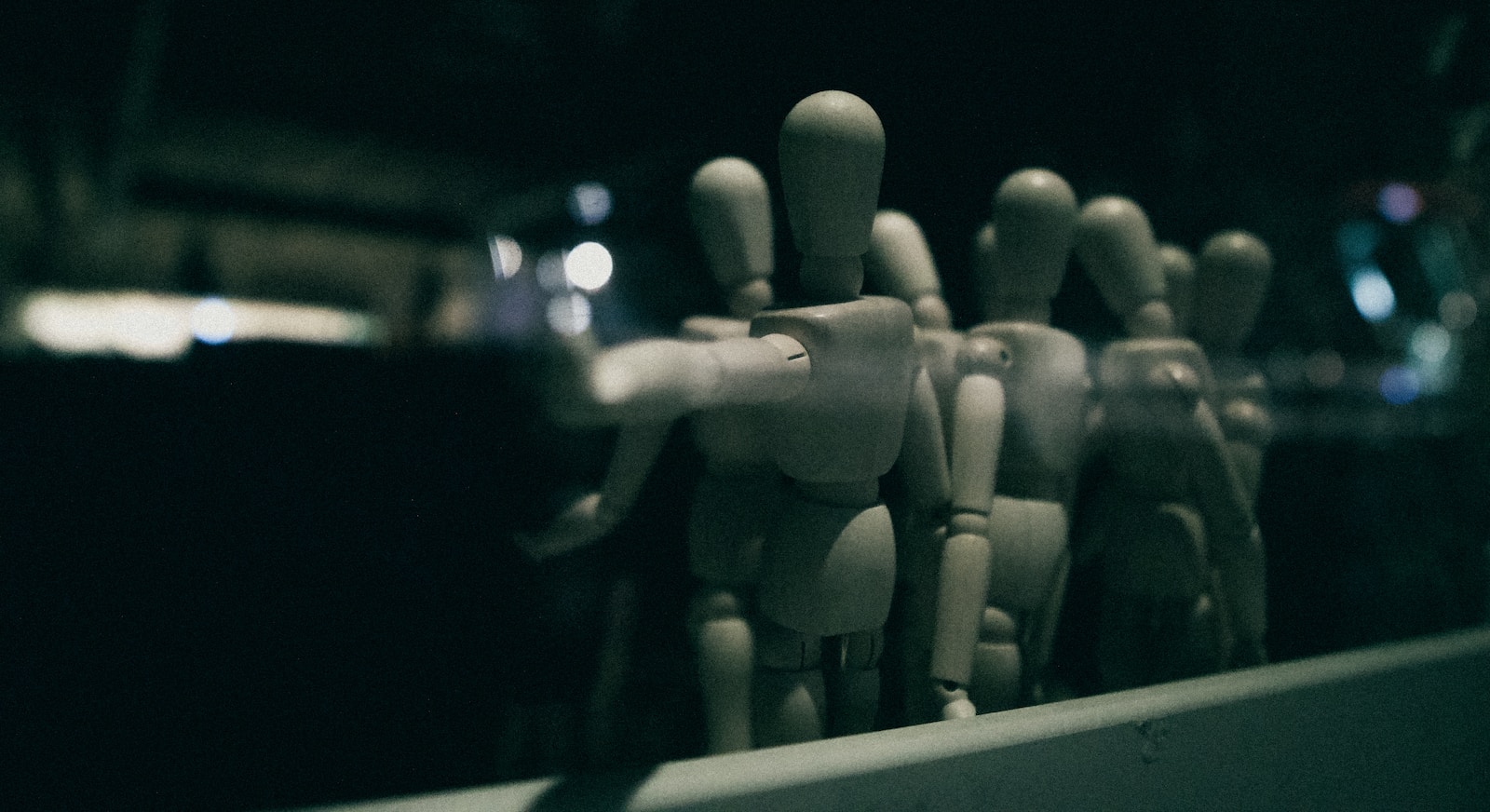
Unconscious biases and prejudices are thoughts and beliefs that we hold about other people that are often based on stereotypes or generalizations. They are automatic, quick, and unconscious, and can have a significant impact on how we perceive and interact with others. Unconscious biases and prejudices can lead to discrimination, unfair treatment, and exclusion of individuals from certain groups. Therefore, it is important to challenge our own unconscious biases and prejudices in order to promote a more just and equitable society.
Challenging Unconscious Biases and Prejudices
Recognizing Unconscious Biases and Prejudices
The first step in challenging unconscious biases and prejudices is recognizing that they exist. It can be difficult to recognize these biases because they are often automatic and unconscious. However, there are some signs that can indicate the presence of unconscious biases and prejudices. These include feeling more comfortable around people who are similar to us, making assumptions about people based on their appearance or background, and attributing negative traits to individuals from certain groups.
Examining Our Beliefs and Attitudes
Once we recognize that we may have unconscious biases and prejudices, the next step is to examine our beliefs and attitudes. This involves reflecting on our thoughts and feelings towards people from different groups, and questioning where these thoughts and feelings come from. It is important to recognize that our biases and prejudices may be based on incomplete or inaccurate information, and may not reflect the reality of individuals from different groups.
Increasing Exposure and Empathy
One way to challenge our unconscious biases and prejudices is to increase our exposure to people from different groups. This can help to dispel negative stereotypes and increase empathy and understanding. We can do this by seeking out diverse experiences, such as traveling to different countries or attending cultural events. We can also increase our exposure through media consumption, by reading books or watching movies that feature characters from different backgrounds.
Questioning Assumptions
Another way to challenge our unconscious biases and prejudices is to question our assumptions. This involves challenging our own thoughts and beliefs when they are based on stereotypes or generalizations. We can do this by asking ourselves questions such as, “Is this belief based on evidence or on assumptions?” and “What evidence do I have to support this belief?”
Engaging in Dialogue
Engaging in dialogue with individuals from different groups can also help to challenge our unconscious biases and prejudices. By listening to their experiences and perspectives, we can gain a better understanding of their lives and challenges. It is important to approach these conversations with an open mind and a willingness to learn.
Practicing Mindfulness
Finally, practicing mindfulness can help us to become more aware of our unconscious biases and prejudices. Mindfulness involves paying attention to our thoughts and feelings without judgment. By practicing mindfulness, we can become more aware of the automatic thoughts and feelings that may be driving our biases and prejudices.
Conclusion
In conclusion, challenging our unconscious biases and prejudices is an ongoing process that requires self-reflection, empathy, and an open mind. By recognizing our biases and prejudices, examining our beliefs and attitudes, increasing exposure and empathy, questioning assumptions, engaging in dialogue, and practicing mindfulness, we can become more aware of our biases and prejudices and work towards creating a more just and equitable society.


