
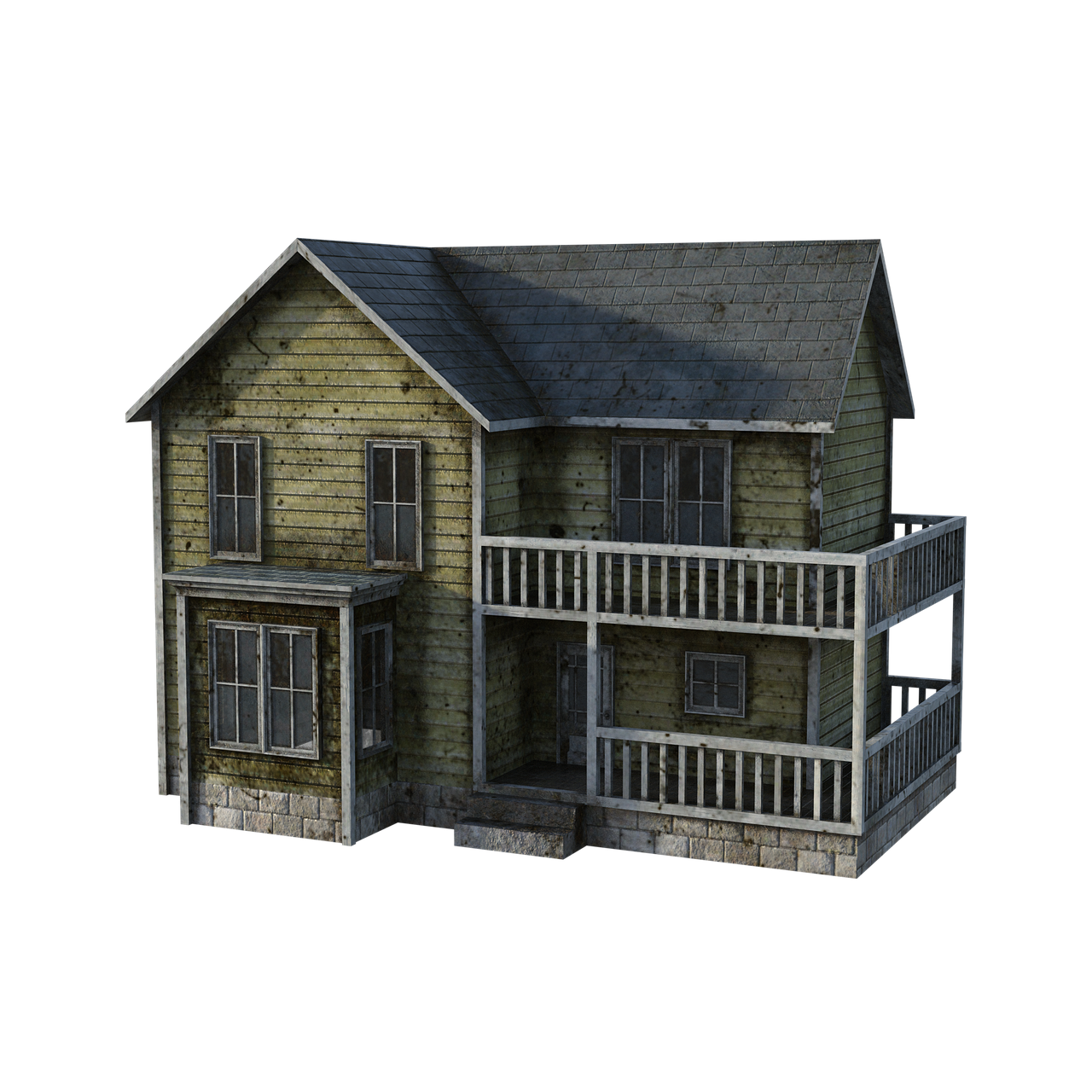
Dollhouses are a popular hobby for many people, and painting them is an essential part of bringing them to life. Choosing the right paint and finish for a dollhouse can be challenging, especially if you’re new to the hobby. In this article, we’ll go over some tips on how to choose the right paint and finish for a dollhouse’s exterior and interior, so you can create a beautiful and cohesive miniature world.
Choosing the Right Paint and Finish for a Dollhouse’s Exterior and Interior
Consider the Material of Your Dollhouse
The first thing you should consider when choosing paint and finish for your dollhouse is the material it’s made of. Dollhouses can be made from a variety of materials, such as wood, plastic, or metal. Each material has its properties that will affect how well paint adheres and how it looks when it dries.
For example, wood is a common material for dollhouses, and it can be painted with any type of paint, including acrylic, oil, and spray paint. However, it’s essential to prime the wood before painting it to ensure the paint adheres correctly. Plastic, on the other hand, can be more challenging to paint because the paint may not stick as well to the smooth surface. In this case, it’s best to use a primer designed for plastic or use a plastic-specific paint.
Consider the Scale of Your Dollhouse
Another essential consideration when choosing paint and finish for your dollhouse is the scale. The scale of your dollhouse will affect the size of the paint strokes, the level of detail, and the colors you choose. If you’re working with a larger scale dollhouse, you can use larger paintbrushes and create more intricate details, while a smaller scale dollhouse will require more delicate brushwork.
Additionally, the scale of your dollhouse will affect the colors you choose. For example, if you’re working with a Victorian-era dollhouse, you may want to use muted, darker colors to match the period’s style. If you’re working with a more modern dollhouse, you may want to use brighter, bolder colors.
Choose the Right Type of Paint
Once you’ve considered the material and scale of your dollhouse, you need to choose the right type of paint. There are several types of paint to choose from, including acrylic, oil, and spray paint. Each type of paint has its advantages and disadvantages, and the choice will depend on your personal preference, the effect you want to achieve, and the material of your dollhouse.
Acrylic paint is a popular choice because it’s easy to work with, dries quickly, and is water-soluble, making it easy to clean up. It’s also versatile and can be used on a variety of surfaces. Oil paint, on the other hand, takes longer to dry, but it provides a more professional-looking finish, with a glossy or matte effect. Spray paint is ideal for covering large areas quickly and evenly, but it’s more challenging to control and requires more preparation to ensure the paint doesn’t get on unintended surfaces.
Choose the Right Finish
The finish is the final layer of paint that will give your dollhouse a professional-looking appearance. There are several types of finishes to choose from, including glossy, matte, and satin. The finish you choose will depend on the effect you want to achieve.
A glossy finish will give your dollhouse a shiny, polished look, while a matte finish will provide a more natural, subdued appearance. A satin finish is a happy medium between the two and will provide a slight shine without being too shiny or too dull. It’s essential to choose a finish that complements the overall style and look of your dollhouse.
Consider Weathering and Aging
One aspect of dollhouse painting that is often overlooked is weathering and aging. Real-life buildings and structures show signs of wear and tear over time, and you can replicate this effect in your dollhouse to make it look more realistic. Weathering and aging can be achieved by using techniques such as dry brushing, sanding, and staining.
Dry brushing involves lightly brushing a small amount of paint over a surface, which will create a subtle, aged effect. Sanding can be used to create a worn, distressed look on the edges of furniture and other details. Staining can be used to give wood furniture a richer, more natural appearance. These techniques can be used to create a lived-in look for your dollhouse, rather than one that appears brand new.
Conclusion
Choosing the right paint and finish for your dollhouse can make a big difference in its overall appearance. Consider the material and scale of your dollhouse, choose the right type of paint and finish, and don’t be afraid to experiment with weathering and aging techniques. With a little bit of patience and creativity, you can create a beautiful and realistic-looking dollhouse that you’ll be proud to display.


