
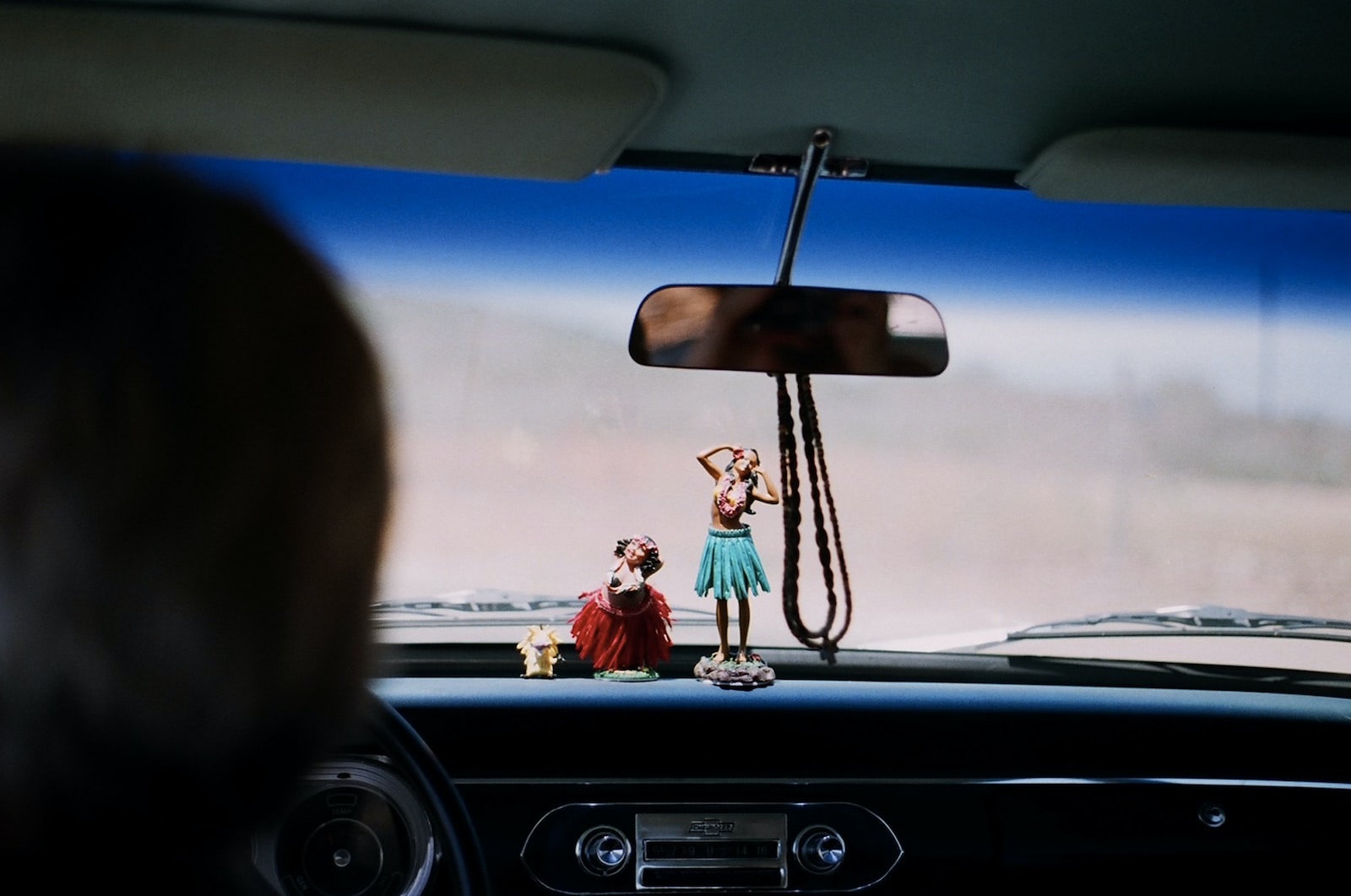
Picture this: a shelf lined with tiny hula dancers, their skirts frozen mid-sway, each one brimming with retro charm. It’s easy to dismiss vintage hula girl figurines as quirky knickknacks, but there’s more to them than meets the eye. These nostalgic collectibles capture a piece of cultural history, and their demand has quietly grown among enthusiasts and investors. If your friends doubt their value, they’re not seeing the bigger picture. These figurines have become a surprising blend of artistry and financial potential, making them more than just dashboard décor.
Understanding Vintage Hula Girl Figurines
Vintage hula girl figurines are more than just eye-catching souvenirs. These tiny collectibles carry a rich history and cultural significance that makes them stand out among collectors. Whether adorning dashboards or shelves, they evoke nostalgia while representing a unique blend of artistry and tradition.

Photo by Connor McManus
Origins and Evolution
Hula girl figurines first gained popularity during the 1920s and 1930s when tourism flourished in Hawaii. At a time when Americans were enamored by tropical escapism, these figurines quickly became iconic souvenirs. Originally crafted by hand, they were modeled after Polynesian dancers. The figures often wore grass skirts, floral leis, and carried ukuleles, showcasing signature elements of Hawaiian tradition.
By mid-century, mass production brought figurines to the dashboards of cars across America. These dashboard dolls, initially made of plaster and later plastic, became a fixture in pop culture. Their trademark bobbing motion mirrored the swaying of a hula dancer, making them hard to ignore. Their evolution continued as interest in Hawaiian culture surged post-statehood in 1959. Today, vintage pieces are sought after for their craftsmanship, rarity, and historical value. For an in-depth look at the history of these figurines, read The History of Hula Dashboard Dolls: A Hawaiian Icon.
Cultural Significance
The cultural meaning behind hula girl figurines stems directly from their connection to the art form of hula. Hula is not just a dance; it’s a storytelling medium deeply ingrained in Hawaiian heritage. Traditional hula serves to preserve Hawaiian myths, history, and spiritual beliefs. This makes these figurines more than decorative items—they’re representations of cultural pride and identity.
However, it’s important to note that not everyone views these collectibles in the same way. Some regard them as symbols of the commercialization of Hawaiian culture. As Hawaii became a key tourist destination, the imagery of the hula girl often leaned toward stereotypical depictions rather than authentic representation. To dive deeper into these cultural nuances, you can explore The Truth Behind the Dashboard Hula Girl.
Despite this duality, vintage hula girl figurines remain a bridge connecting past and present. They serve as reminders of Hawaii’s unique traditions while reflecting a period when Americans embraced tropical influences wholeheartedly. As collectibles, they offer more than monetary value—they provide a window to understanding a vibrant culture.


