
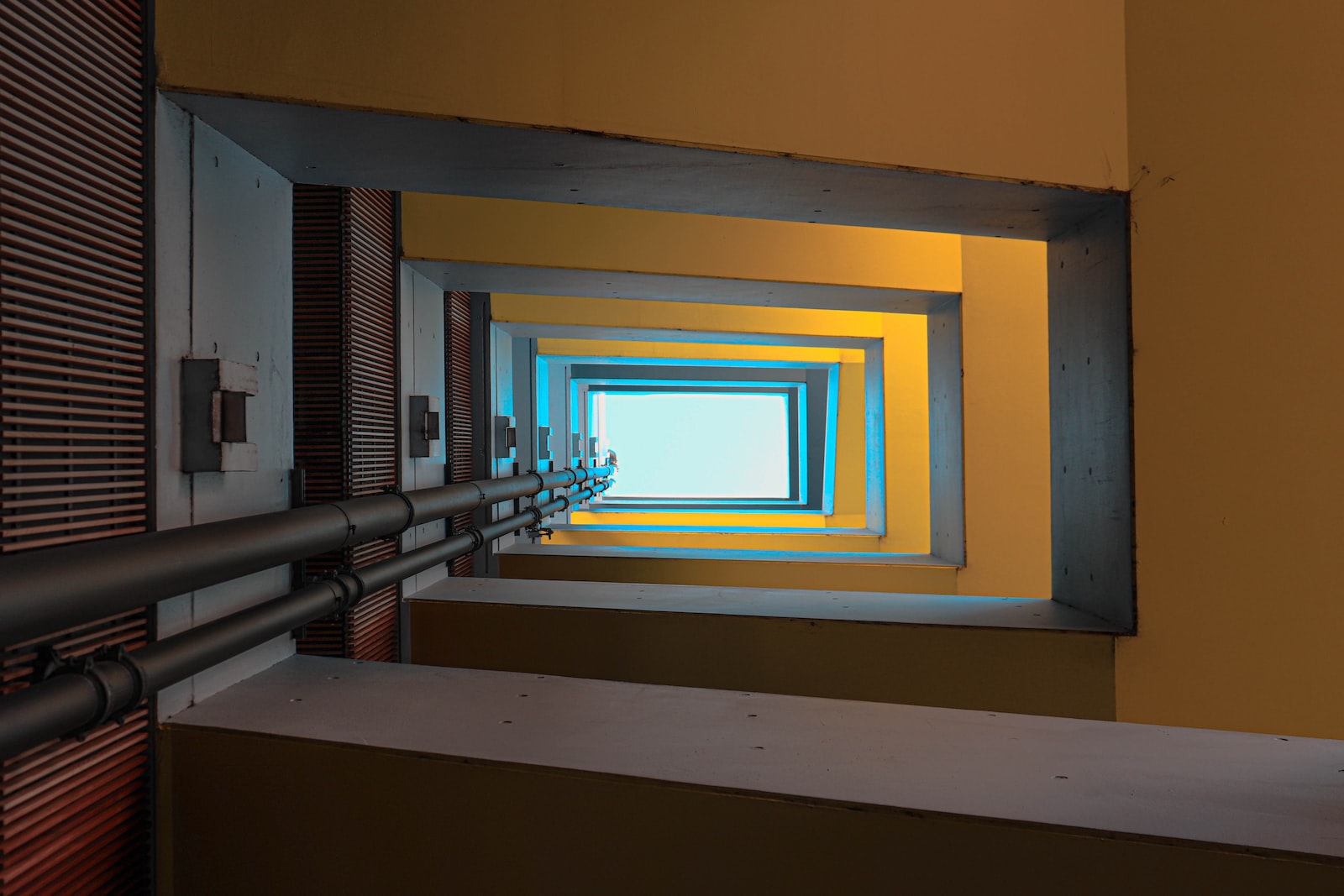
Creating a focal point is an essential element of interior design. It’s the element that draws the eye and anchors the room, giving it a sense of balance and purpose. But how does one create a focal point in an interior design? Here are some tips for creating a focal point in your space.
Start with a purpose
The first step in creating a focal point in an interior design is to identify the purpose of the space. Every room has a different function, and the focal point should reflect this purpose. For example, in a living room, the focal point may be the fireplace or a large piece of artwork above the sofa. In a bedroom, the focal point may be the bed or a large window with a view.
Choose a dominant element
The next step is to choose a dominant element in the room that can serve as the focal point. This could be a piece of furniture, artwork, lighting fixture, or architectural element, such as a fireplace or an arched doorway.
The dominant element should be visually appealing and reflect the style of the room. For example, if the room has a modern design, the focal point could be a sculptural lighting fixture, while in a traditional room, the focal point could be a grand fireplace.
Create contrast
To make the focal point stand out, it’s important to create contrast with the surrounding elements. This can be achieved through color, texture, or scale.
For example, if the dominant element is a piece of artwork, consider painting the surrounding walls in a contrasting color to make the artwork pop. Alternatively, if the focal point is a large piece of furniture, such as a sofa, consider adding contrasting throw pillows or a rug to make it stand out.
Light it up
Proper lighting is crucial for creating a focal point. Lighting can draw attention to the focal point and create a sense of depth and dimension in the room.
Consider installing track lighting or spotlighting to highlight the focal point. Alternatively, you could install a chandelier or pendant light above the focal point to draw attention to it.
Create visual balance
Creating a focal point doesn’t mean neglecting the rest of the room. It’s important to create visual balance by distributing the visual weight of the room evenly.
For example, if the focal point is a large piece of furniture, consider balancing it out with smaller decorative elements, such as a side table or a vase of flowers. Alternatively, if the focal point is a bold piece of artwork, consider distributing the visual weight of the room with complementary furniture pieces and textiles.
Accessorize
Accessories are the finishing touch that can make or break a focal point. They can add depth, texture, and interest to the room, and tie the design together.
For example, if the focal point is a fireplace, consider adding decorative accessories, such as candle holders or vases, to the mantel. Alternatively, if the focal point is a piece of artwork, consider adding complementary decorative elements, such as a throw pillow or a rug, to tie the design together.
In conclusion, creating a focal point in an interior design is an essential element of creating a balanced and purposeful space. To create a focal point, start with a purpose, choose a dominant element, create contrast, light it up, create visual balance, and accessorize. By following these tips, you can create a space that is visually appealing, functional, and purposeful.


