
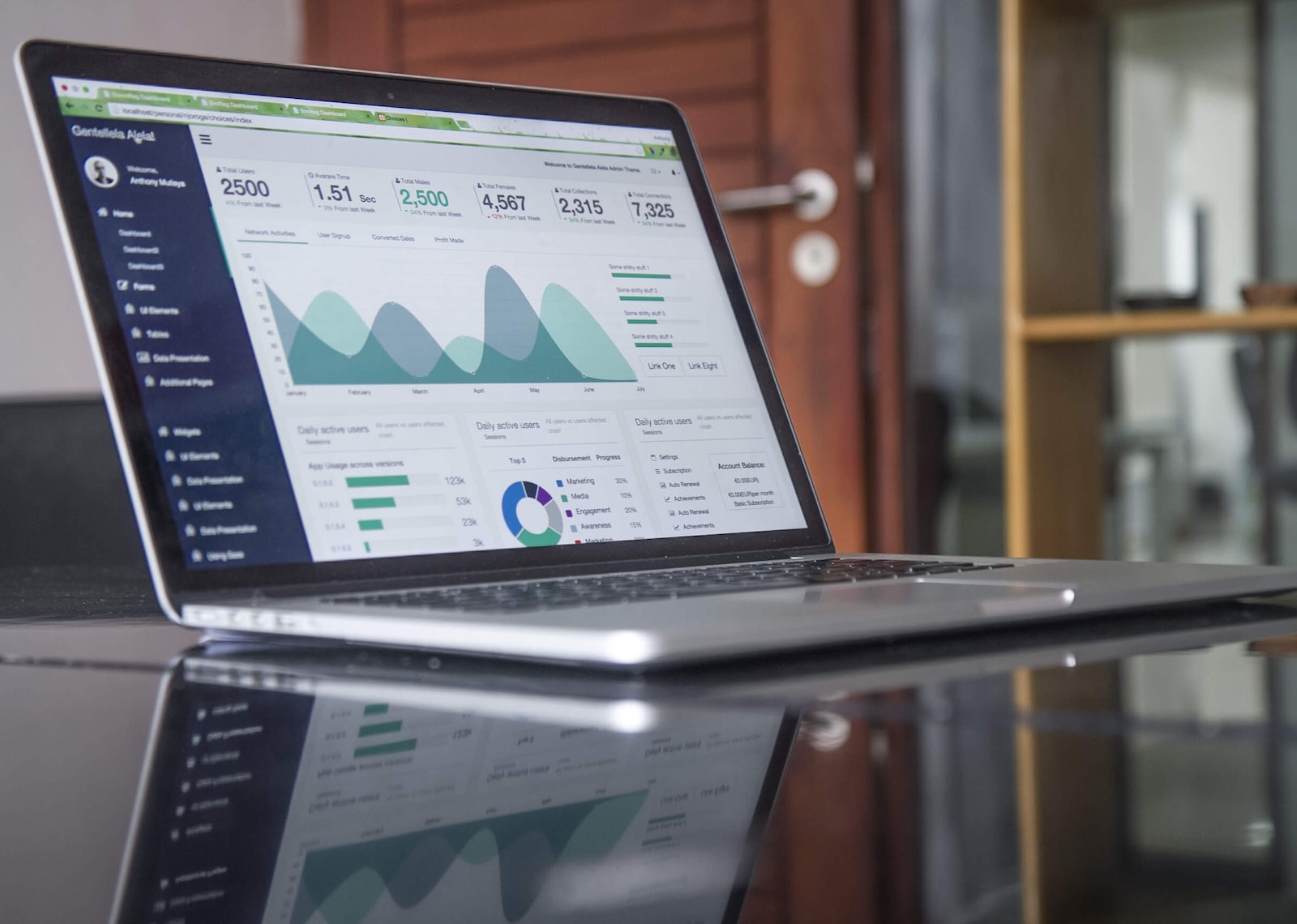
Creating a sales forecast for a small business is essential for planning and budgeting purposes. A sales forecast provides an estimate of the revenue a business expects to generate over a specific period, such as a month, quarter, or year. In this article, we will explore how one can create a sales forecast for their small business.
Step 1: Define the sales period
The first step in creating a sales forecast is to define the sales period. This can be a month, quarter, or year, depending on the needs of the business. Defining the sales period will help the business focus its efforts on achieving its sales targets for that period.
Step 2: Review historical sales data
Reviewing historical sales data is essential for creating a sales forecast. This includes analyzing sales trends over the past year or several years and identifying any patterns or seasonality. Historical sales data can also provide insight into the impact of external factors, such as economic conditions or changes in the market.
Step 3: Identify sales drivers
Identifying sales drivers is essential for creating a sales forecast. This includes identifying the factors that influence sales, such as marketing campaigns, new product launches, or changes in pricing. By identifying sales drivers, businesses can estimate the impact of these factors on sales and adjust their sales forecast accordingly.
Step 4: Estimate sales volume
Estimating sales volume is the next step in creating a sales forecast. This involves using historical sales data and sales drivers to estimate the sales volume for the sales period. For example, if a business sells a product that typically experiences a 10% increase in sales during the holiday season, the sales forecast should reflect this seasonal increase.
Step 5: Calculate revenue
Once the sales volume has been estimated, the next step is to calculate revenue. This involves multiplying the estimated sales volume by the price of the product or service. For example, if a business expects to sell 1,000 units of a product at $50 per unit, the estimated revenue for that product would be $50,000.
Step 6: Account for discounts and returns
Accounting for discounts and returns is essential for creating an accurate sales forecast. This includes estimating the percentage of sales that will be returned or discounted and adjusting the sales forecast accordingly. For example, if a business expects 5% of sales to be returned or discounted, the estimated revenue should be adjusted accordingly.
Step 7: Review and adjust the forecast
Reviewing and adjusting the sales forecast is essential for accuracy. This includes reviewing the forecast periodically and adjusting it as needed based on changes in the market, sales performance, or other factors that may impact sales. It is also important to compare actual sales performance to the forecast and make adjustments accordingly.
In conclusion, creating a sales forecast for a small business is essential for planning and budgeting purposes. By defining the sales period, reviewing historical sales data, identifying sales drivers, estimating sales volume, calculating revenue, accounting for discounts and returns, and reviewing and adjusting the forecast, businesses can create an accurate sales forecast that reflects their sales goals and objectives. A sales forecast provides a roadmap for achieving sales targets and can help businesses make informed decisions about resource allocation and strategic planning.


