
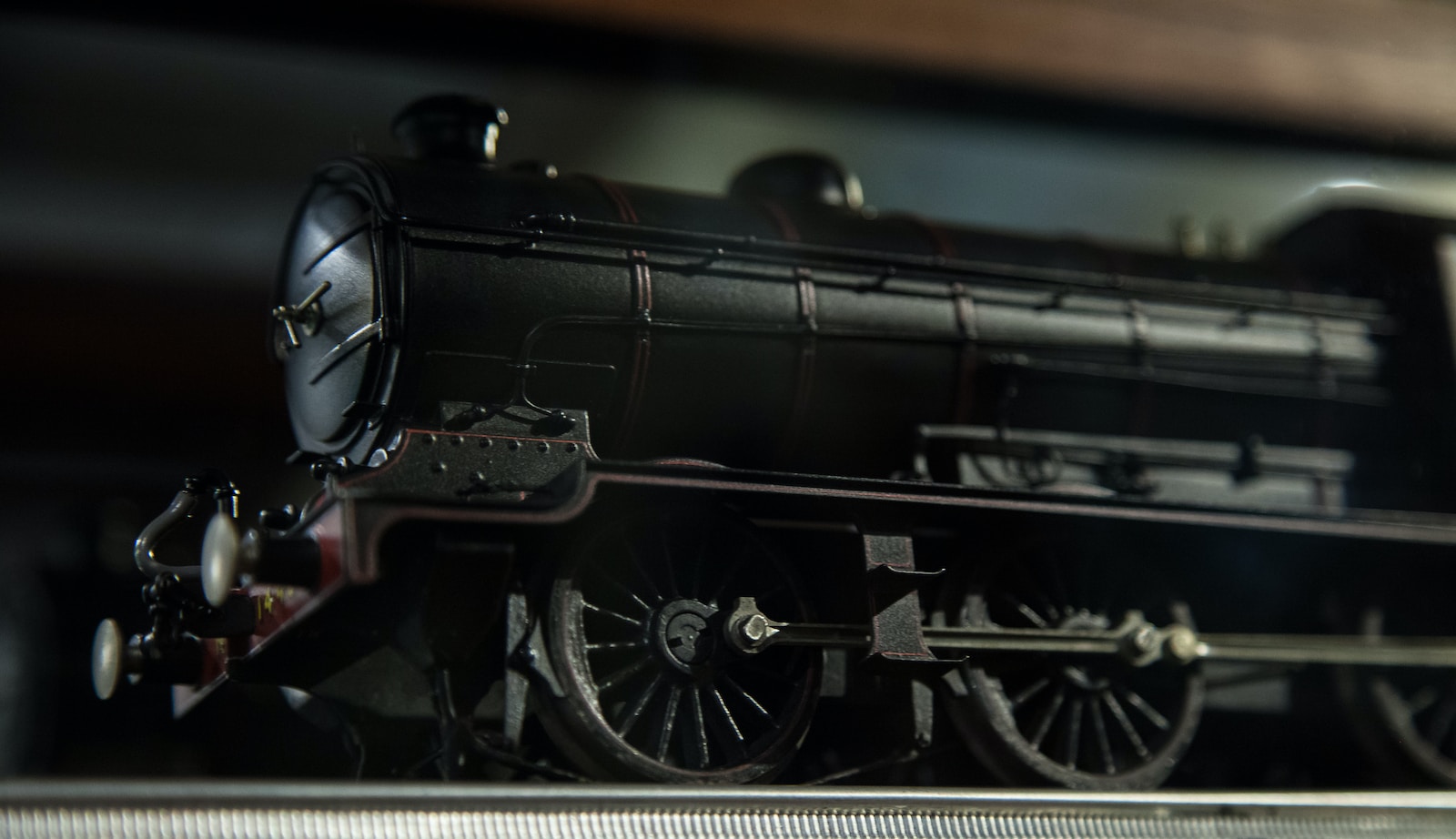
Miniature train sets are a popular hobby for both children and adults. They allow us to create our own miniature world, complete with buildings, vehicles, and landscapes. One of the most important aspects of creating a realistic miniature train set is the landscape. A well-done landscape can make the difference between a train set that looks like a toy and one that looks like a miniature world. In this article, we’ll discuss how to create realistic landscapes for miniature train sets.
Creating Realistic Landscapes for Miniature Train Sets
Plan Your Landscape
Before you start creating your landscape, it’s important to have a plan. Decide on the type of landscape you want to create, such as a forest, a mountain range, or a desert. Research the terrain and vegetation of the area you want to replicate. Look for pictures online or in books to get an idea of the colors and textures of the terrain. You can also visit a nearby park or natural reserve to observe the natural environment firsthand.
Choose Your Materials
Once you have a plan, it’s time to choose your materials. There are many different materials you can use to create a realistic landscape for your miniature train set. Some of the most common materials include:
- Foam: Foam is a popular choice for creating hills and mountains. You can use foam insulation boards or foam blocks to carve out the shape of the landscape.
- Cork: Cork is a great material for creating rock formations and cliffs. It’s also easy to cut and shape.
- Plaster: Plaster can be used to create the base of your landscape. It can be shaped and textured to create hills and valleys.
- Flocking: Flocking is a material used to create realistic grass and foliage. It comes in a variety of colors and can be applied using a spray adhesive.
- Rocks and gravel: Rocks and gravel can be used to create realistic rocky terrain. You can also use them to create the base of your landscape.
Build Your Landscape
Once you have your materials, it’s time to start building your landscape. Begin by creating the base of your landscape using plaster or foam. Shape the terrain using a hobby knife or a foam cutter. Be sure to create hills and valleys to add depth to your landscape.
Next, add rocks and gravel to create a realistic rocky terrain. Use hot glue or white glue to secure the rocks and gravel in place.
Once your base is complete, it’s time to add the foliage. Use flocking to create grass and trees. Apply the flocking using a spray adhesive or a static grass applicator. You can also use small twigs or branches to create trees.
Add Details
Once you’ve added the foliage, it’s time to add the details. Add small details such as bushes, flowers, and rocks to make your landscape more realistic. You can use small pieces of foam or cork to create these details.
You can also add buildings, vehicles, and people to your landscape. These details will bring your miniature train set to life and make it more interesting to look at.
Paint Your Landscape
Once you’ve added all the details, it’s time to paint your landscape. Use acrylic paints to create realistic colors and textures. Use a variety of shades to create depth and dimension. You can also use washes and dry brushing to add highlights and shadows to your landscape.
Conclusion
Creating a realistic landscape for your miniature train set can be a fun and rewarding hobby. By planning your landscape, choosing the right materials, and adding details and color, you can create a miniature world that looks just like the real thing. Whether you’re a seasoned hobbyist or just starting out, creating a realistic landscape for your miniature train set is a great way to explore your creativity and add depth and interest to your train set. With some planning, patience, and experimentation, you can create a miniature world that you and your friends and family will enjoy for years to come.


