
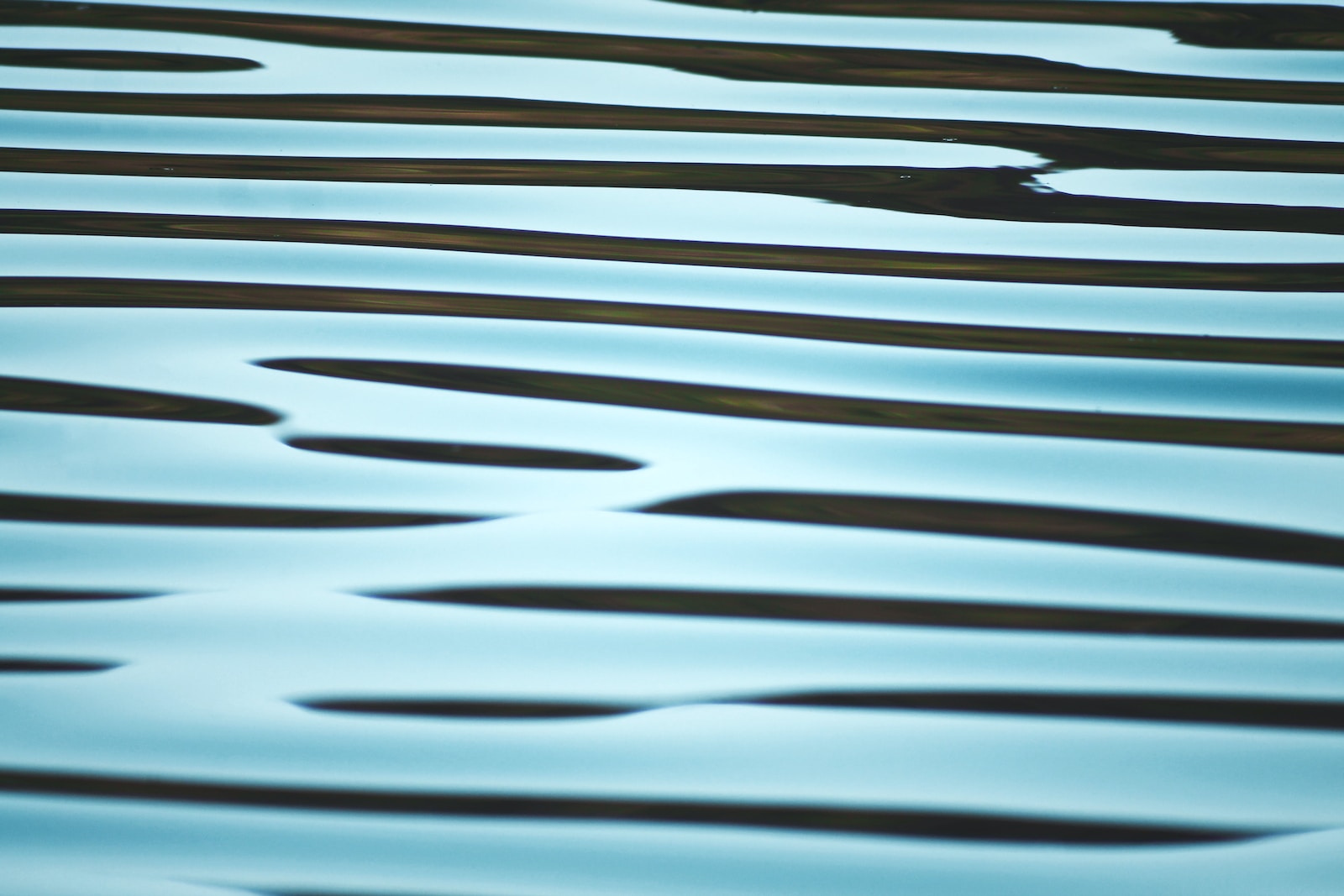
Miniature scenes, whether they be for model trains, dollhouses, or dioramas, often include water elements such as streams, lakes, and oceans. Creating realistic water effects is essential to bringing these scenes to life and adding a sense of realism to the overall display. In this article, we will explore some tips and techniques on how to create realistic water effects in miniature scenes.
How to Create Realistic Water Effects in Miniature Scenes
Materials Needed
Before we dive into the techniques, let’s first go over the materials needed for creating water effects in miniature scenes. These include:
- Resin or clear casting epoxy
- Acrylic paint in blue, green, and white
- Paintbrushes
- Foam brushes
- Toothpicks
- Gloss medium
- Clear silicone caulk
- Plastic wrap
- Plastic cups
- Heat gun or hairdryer
Techniques
1. Pouring Resin
One of the most popular methods for creating water effects in miniature scenes is by using resin. Resin can be poured into a mold or onto a flat surface to create a realistic water effect. To create a clear water effect, use a clear casting epoxy. Follow the instructions provided with the resin to mix and pour it into your mold or onto your surface. Use a toothpick to pop any bubbles that rise to the surface. Allow the resin to cure completely before adding any color or texture.
2. Adding Color
To add color to your water effect, use acrylic paint in shades of blue and green. Mix the paint with gloss medium to create a transparent effect. Use a foam brush to apply the paint to the surface of the resin. Layer different shades of blue and green to create depth and texture. Use a toothpick to create ripples and waves in the surface of the resin.
3. Adding Texture
To create a more realistic water effect, add texture to the surface of the resin. Use clear silicone caulk to create waves, ripples, and foam. Apply the caulk in thin lines with a toothpick or small brush. Once the caulk has been applied, use a heat gun or hairdryer to gently blow on the surface of the resin. This will cause the caulk to bubble and create a foam effect. Allow the caulk to dry completely before adding any additional layers of paint or gloss.
4. Creating a Reflection
To create a reflection in the water, use plastic wrap to create a mirror-like surface. Apply a thin layer of clear silicone caulk to the surface of the water. Lay a piece of plastic wrap over the caulk and gently press down to create a smooth surface. Use a heat gun or hairdryer to gently heat the plastic wrap, which will cause it to sag and create a reflection effect. Once the plastic wrap has cooled, carefully remove it from the surface of the water.
Conclusion
Creating realistic water effects in miniature scenes takes some patience and practice, but the results are well worth the effort. By using a combination of resin, acrylic paint, gloss medium, clear silicone caulk, and plastic wrap, you can create stunning water effects that will bring your miniature scenes to life. Experiment with different techniques and materials to find what works best for your particular project, and have fun creating!


