
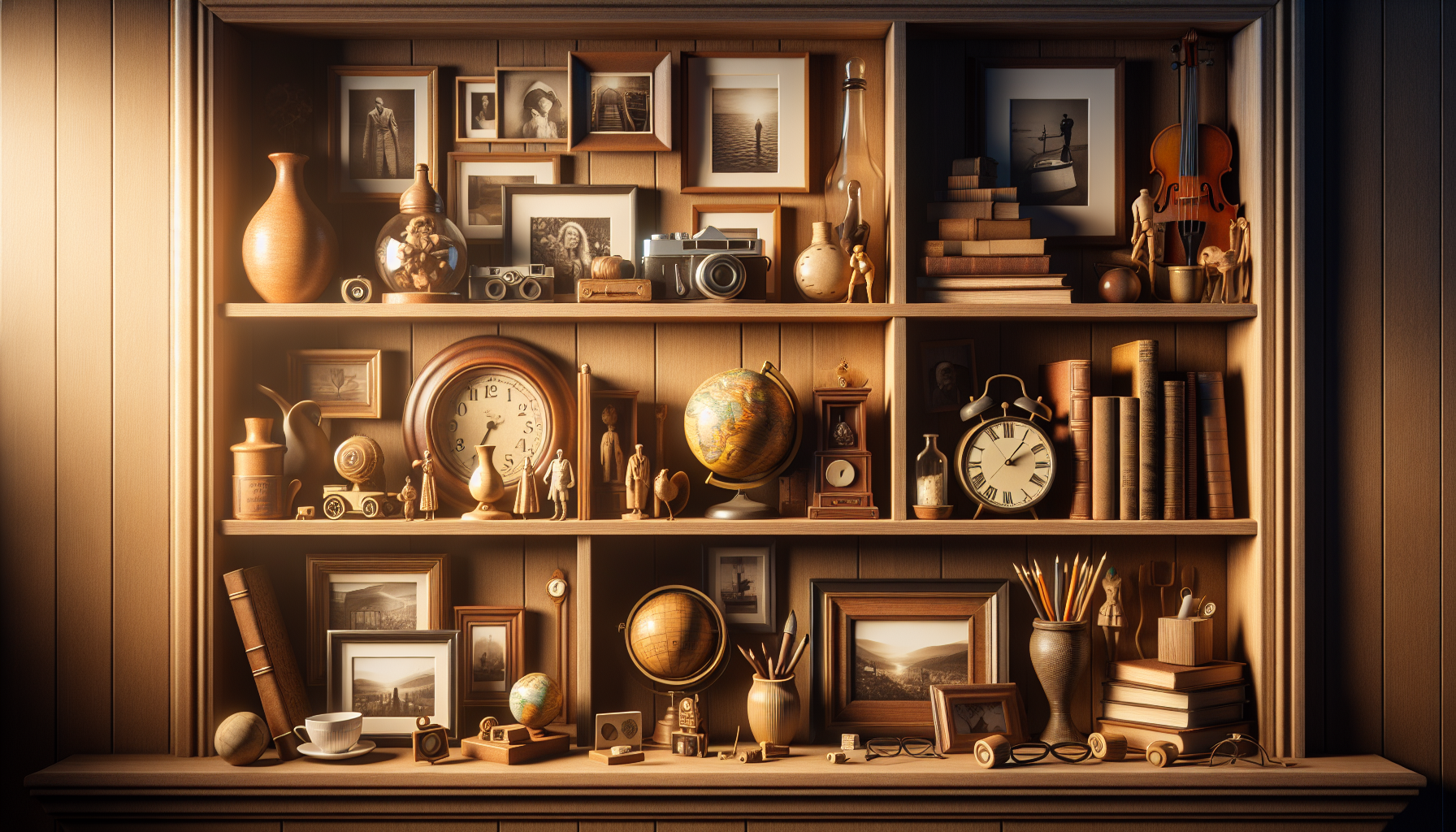
Minimalism, with its emphasis on simplicity, decluttering, and intentional living, has gained popularity in recent years as a lifestyle choice. Yet, the allure of minimalism often clashes with the reality of everyday life, where shelves filled with knick-knacks and sentimental objects abound. In this article, we explore the juxtaposition of debating the merits of minimalism while dusting a shelf full of knick-knacks, delving into themes of personal expression, attachment, and the quest for simplicity amidst abundance.
The Allure of Minimalism
Minimalism is more than just a design aesthetic – it is a philosophy that advocates for living with less, focusing on what truly matters, and eliminating excess. Proponents of minimalism argue that by decluttering our physical spaces, we can declutter our minds, leading to greater clarity, focus, and inner peace.
Confronting Clutter
However, the reality of modern life often involves navigating spaces cluttered with objects – from souvenirs collected during travels to heirlooms passed down through generations. These knick-knacks hold sentimental value, serving as tangible reminders of cherished memories, experiences, and relationships.
The Debate Begins
As we dust a shelf full of knick-knacks, the debate over the merits of minimalism naturally arises. On one hand, minimalism advocates may argue for the benefits of decluttering, citing the psychological benefits of simplifying one’s surroundings and reducing distractions. They may question the necessity of holding onto objects that serve no practical purpose and advocate for letting go of attachments to material possessions.
Personal Expression vs. Minimalism
On the other hand, defenders of knick-knacks may argue that each object holds unique significance and contributes to a sense of personal identity and expression. They may emphasize the emotional value of surrounding oneself with objects that evoke memories, spark joy, and tell a story. For them, minimalism may feel restrictive, denying the richness and complexity of human experience.
Attachment and Letting Go
The debate over minimalism versus knick-knacks ultimately touches on deeper questions of attachment and letting go. Minimalism encourages us to detach from material possessions and find contentment in simplicity. However, for many, letting go of sentimental objects can be challenging, as they are intertwined with memories, emotions, and a sense of identity.
Finding Balance
Perhaps the key lies in finding a balance between minimalism and the appreciation of knick-knacks. Rather than viewing them as opposing ideologies, we can embrace both as valid expressions of personal values and preferences. We can curate our spaces mindfully, choosing to surround ourselves with objects that bring us joy and meaning while also being mindful of excess and clutter.
Mindful Dusting
As we dust each knick-knack on the shelf, we can engage in mindful reflection on the objects’ significance and our attachment to them. We can appreciate their beauty, craftsmanship, and the memories they evoke, while also acknowledging the transient nature of material possessions. In this way, dusting becomes more than just a mundane chore – it becomes a practice of gratitude, mindfulness, and acceptance.
The Quest for Simplicity
Ultimately, the debate over minimalism while dusting knick-knacks is a reminder that simplicity is subjective and deeply personal. What may feel cluttered to one person may feel cozy and comforting to another. The quest for simplicity is not about adhering to rigid rules or ideologies but about finding balance, intentionality, and mindfulness in how we engage with our surroundings.
Conclusion: Embracing Complexity in Simplicity
In conclusion, the debate over the merits of minimalism while dusting a shelf full of knick-knacks highlights the complexity of human relationships with material possessions. Minimalism offers a compelling vision of simplicity and clarity, while knick-knacks embody the richness and diversity of human experience. Rather than viewing them as opposing forces, we can embrace both as valid expressions of personal values and preferences.
As we dust each knick-knack, we are reminded of the stories they hold, the memories they evoke, and the emotions they stir. We are reminded that simplicity is not about eliminating all clutter but about curating our spaces with intentionality and mindfulness. In embracing this complexity within simplicity, we find a deeper appreciation for the objects that surround us and the experiences that shape us.


