
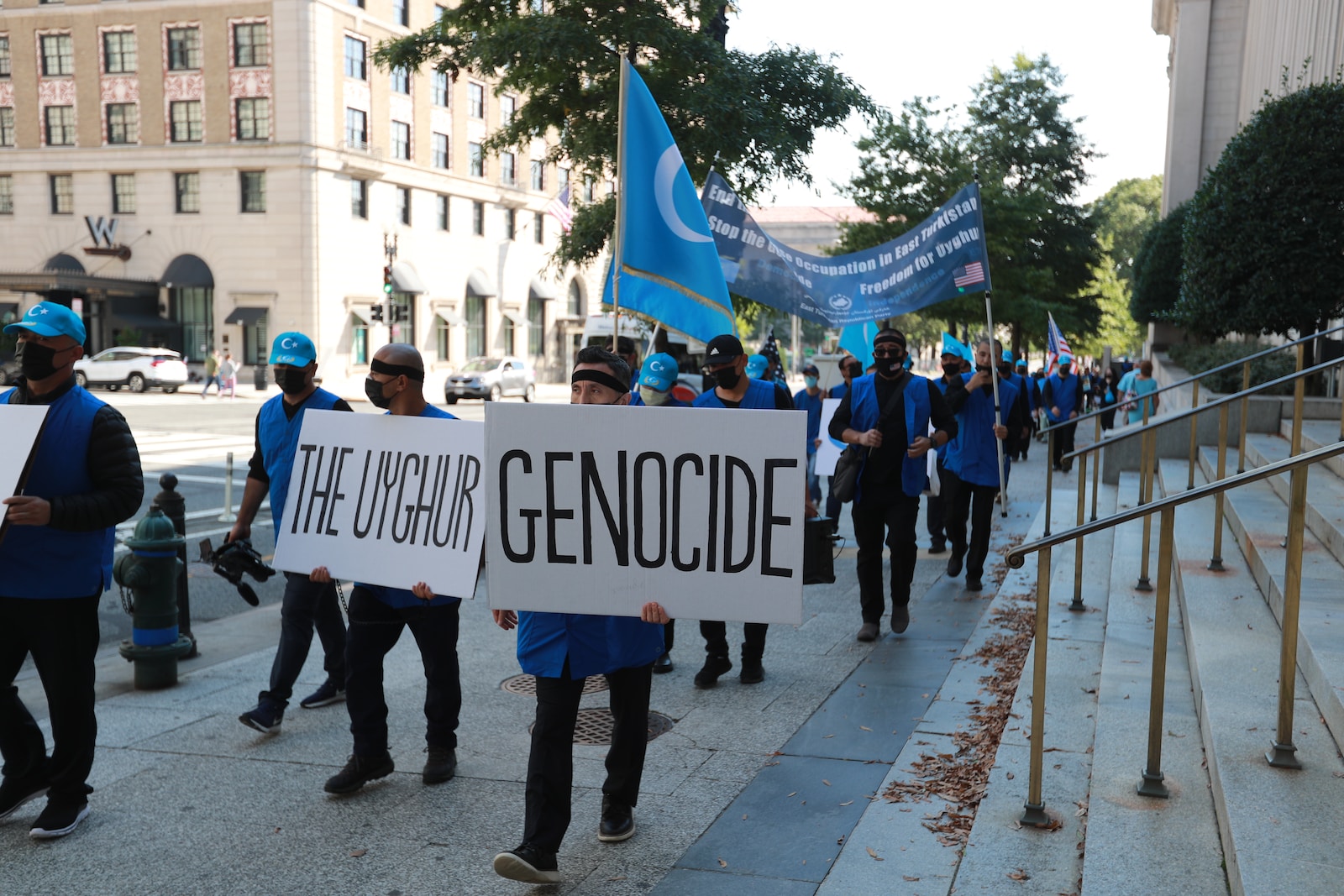
In the field of political science, the term “genocide” holds significant importance as it refers to the deliberate and systematic destruction of a particular ethnic, racial, religious, or national group. Scholars and policymakers have long debated the definition of genocide, seeking to establish a comprehensive understanding that encompasses its various dimensions and implications. This article explores the definition of genocide within the context of political science, examining its historical background, key elements, and the challenges associated with its classification.
Defining Genocide in the Context of Political Science
Historical Background
The concept of genocide emerged in the aftermath of the Holocaust during World War II, which witnessed the systematic extermination of six million Jews by the Nazis. The term “genocide” was coined by Raphael Lemkin, a Polish-Jewish lawyer and scholar, who recognized the need for a specific term to describe such atrocities. In 1948, the United Nations General Assembly adopted the Convention on the Prevention and Punishment of the Crime of Genocide, providing an international legal framework for addressing this heinous crime.
Key Elements of Genocide
Defining genocide in the context of political science involves identifying its key elements, which typically include:
- Intent: Genocide entails the presence of specific intent to destroy, in whole or in part, a particular group based on their ethnic, racial, religious, or national identity. This intent distinguishes genocide from other forms of mass violence.
- Targeted Group: The victims of genocide belong to a specific group, which can be defined by various factors such as ethnicity, religion, race, or nationality. The destruction of the group can encompass killing its members, causing serious bodily or mental harm, imposing conditions leading to their physical destruction, or implementing measures to prevent births within the group.
- Systematic Nature: Genocide involves a systematic and organized approach towards the destruction of a targeted group. It often includes planning, coordination, and implementation of policies and actions designed to achieve the intended destruction.
- State or Non-State Actors: Genocide can be perpetrated by both state and non-state actors. While historically, state-sponsored genocides have received significant attention, non-state actors, such as extremist groups or rebel factions, can also commit acts of genocide.
Challenges in Defining Genocide
Defining genocide in the context of political science is not without challenges. The complex nature of genocide and its contextual variations present certain difficulties, such as:
- Interpretation: The interpretation of the intent to destroy a specific group can be subjective. Distinguishing between acts of genocide and crimes against humanity, which may share similarities, can be challenging and require careful analysis.
- Political Considerations: Genocide often occurs within politically charged environments, making its definition susceptible to manipulation for political purposes. Governments or entities may downplay or deny genocide allegations to protect their reputation or maintain geopolitical interests.
- Genocidal Strategies: Perpetrators of genocide may adopt different strategies to achieve their goals, making it necessary to consider evolving tactics when defining and recognizing genocide. These strategies could include forced displacement, cultural destruction, or the use of sexual violence as a weapon.
- Cultural Context: Cultural factors and historical grievances can contribute to conflicts that may escalate into genocide. Understanding the specific context and dynamics of a particular region or society is essential for accurately defining genocide within that context.
Conclusion
In the context of political science, defining genocide involves recognizing the deliberate and systematic destruction of a specific group based on their ethnic, racial, religious, or national identity. While the term originated in response to the Holocaust, the international community has sought to establish a comprehensive definition that encompasses the key elements of intent, targeted group, systematic nature, and involvement of both state and non-state actors. However, challenges persist due to interpretational subjectivity, political considerations, evolving genocidal strategies, and the importance of cultural context. As political scientists continue to study and analyze genocide, it remains crucial to refine and update definitions to ensure accurate recognition and prevention of this grave crime against humanity.
By addressing the definition of genocide in the context of political science, this article provides a comprehensive overview of its key elements, historical background, and the challenges associated with its classification. Understanding the complexity of genocide is vital for promoting awareness, preventing its occurrence, and holding accountable those responsible for these heinous crimes.


