
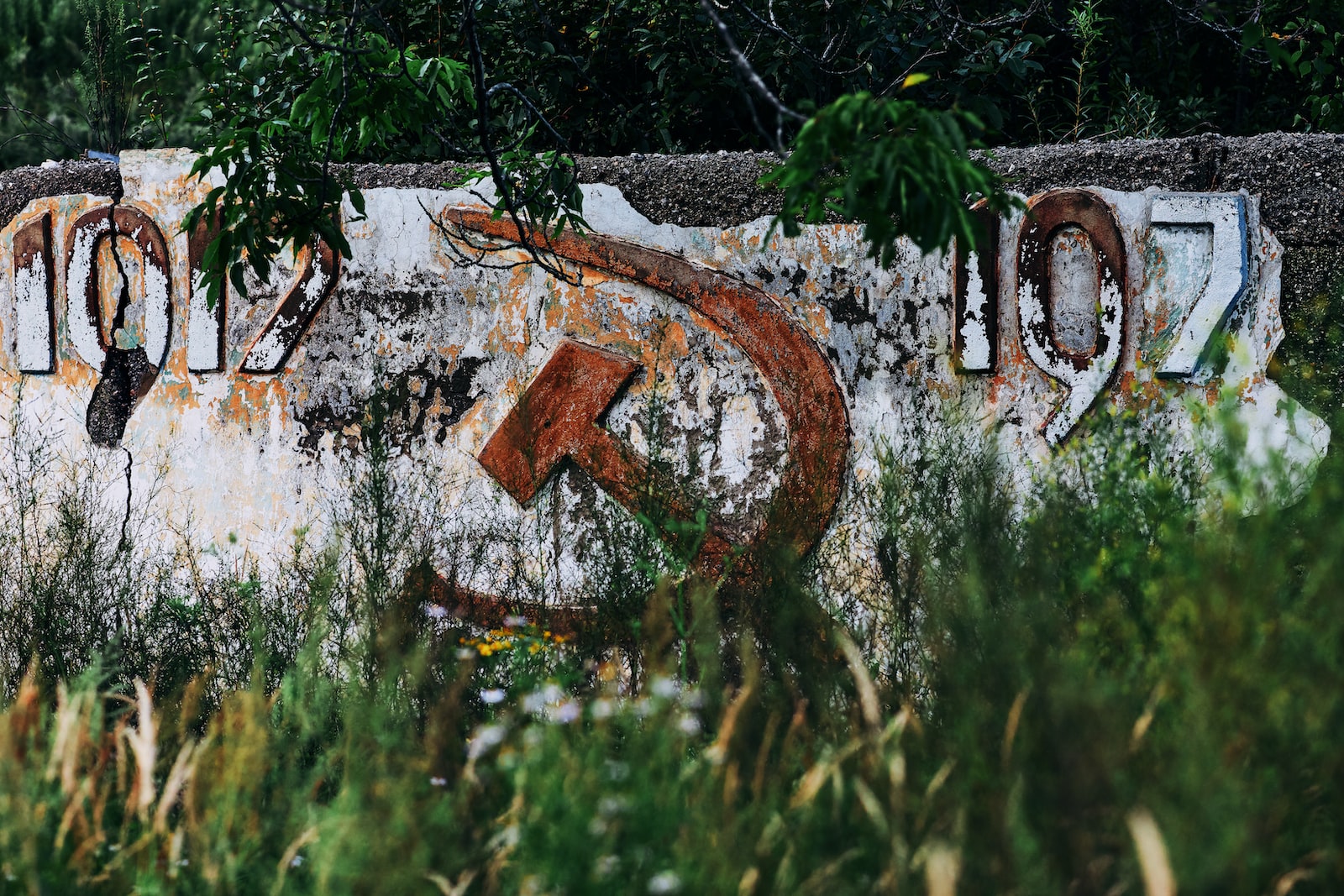
Cuba’s relationship with the Soviet Union during the Cold War was a key factor in shaping the political and economic landscape of the island nation. Cuba became a close ally of the Soviet Union, which provided economic and military support to the Castro government in the face of US efforts to isolate and undermine the Cuban Revolution. This essay will describe Cuba’s relationship with the Soviet Union during the Cold War.
Describing Cuba’s Relationship with the Soviet Union during the Cold War
Alliance Formation
Cuba’s alliance with the Soviet Union began in the early years of the Cuban Revolution. In the aftermath of the US-backed Bay of Pigs invasion in 1961, Fidel Castro declared that Cuba was a socialist state and turned to the Soviet Union for economic and military support. The Soviet Union responded by offering Cuba a range of economic and military aid, including oil, food, weapons, and technical assistance. The alliance between Cuba and the Soviet Union deepened over the years, with the Soviet Union becoming Cuba’s main trading partner and source of economic support.
Economic Relations
The economic relationship between Cuba and the Soviet Union during the Cold War was based on the principle of mutual aid. The Soviet Union provided Cuba with a range of economic assistance, including oil, food, and technical assistance. In return, Cuba provided the Soviet Union with sugar and other commodities. The Soviet Union also provided Cuba with military aid, including weapons, training, and technical support.
The Soviet Union’s economic support was critical to the survival of the Cuban Revolution, which faced intense US efforts to isolate and undermine the Castro government. The Soviet Union provided Cuba with a reliable source of economic support that allowed the government to provide social services and implement land reform programs. The economic relationship between Cuba and the Soviet Union also enabled Cuba to resist US efforts to isolate it from the global economy and to pursue an independent foreign policy.
Military Relations
The military relationship between Cuba and the Soviet Union during the Cold War was also significant. The Soviet Union provided Cuba with a range of military assistance, including weapons, training, and technical support. Cuba became a key player in Soviet efforts to support revolutionary movements and socialist governments in other parts of the world, providing military and other support to governments in Africa and Latin America.
The military relationship between Cuba and the Soviet Union was a source of tension between Cuba and the United States. The United States saw Cuba’s close military relationship with the Soviet Union as a direct threat to its national security and a destabilizing force in the Western Hemisphere. The United States imposed a range of economic and diplomatic sanctions on Cuba in an effort to isolate the country and force it to change its political system.
Impact on Cuba
Cuba’s relationship with the Soviet Union had a significant impact on the country during the Cold War. The Soviet Union provided Cuba with a range of economic and military assistance that allowed the country to resist US efforts to isolate and undermine the Castro government. The Soviet Union also provided Cuba with a reliable source of economic support that allowed the government to provide social services and implement land reform programs.
However, the close relationship with the Soviet Union also had drawbacks for Cuba. The Soviet Union often dictated the terms of economic and military aid, which could be detrimental to Cuba’s interests. The Soviet Union also provided Cuba with outdated technology and equipment, which limited Cuba’s ability to modernize its economy and military.
Impact on the Cold War
Cuba’s relationship with the Soviet Union also had a significant impact on the Cold War. The alliance between Cuba and the Soviet Union created a direct challenge to US interests in the Western Hemisphere, and the United States responded with a range of policies designed to isolate and undermine the Castro government. This led to a series of confrontations between the United States and Cuba, including the Bay of Pigs invasion and the Cuban Missile Crisis.
The Cuban Missile Crisis was the most significant event in the relationship between Cuba, the Soviet Union, and the United States during the Cold War. In 1962, the Soviet Union placed nuclear missiles in Cuba, sparking a crisis that brought the world to the brink of nuclear war. The crisis was ultimately resolved through diplomatic channels, but it highlighted the danger of the arms race and the importance of international cooperation in resolving conflicts.
Cuba’s relationship with the Soviet Union also had an impact on the broader dynamics of the Cold War. The Soviet Union’s support for Cuba demonstrated its willingness to challenge US hegemony in the Western Hemisphere and support revolutionary movements around the world. This helped to fuel US fears of Soviet expansionism and contributed to the arms race and other Cold War tensions.
Conclusion
In conclusion, Cuba’s relationship with the Soviet Union during the Cold War was a key factor in shaping the political and economic landscape of the island nation. The alliance between Cuba and the Soviet Union provided Cuba with critical economic and military support, but also created tension with the United States and limited Cuba’s ability to pursue an independent foreign policy. The impact of the relationship between Cuba and the Soviet Union extended beyond the island nation, contributing to broader Cold War tensions and dynamics.


