
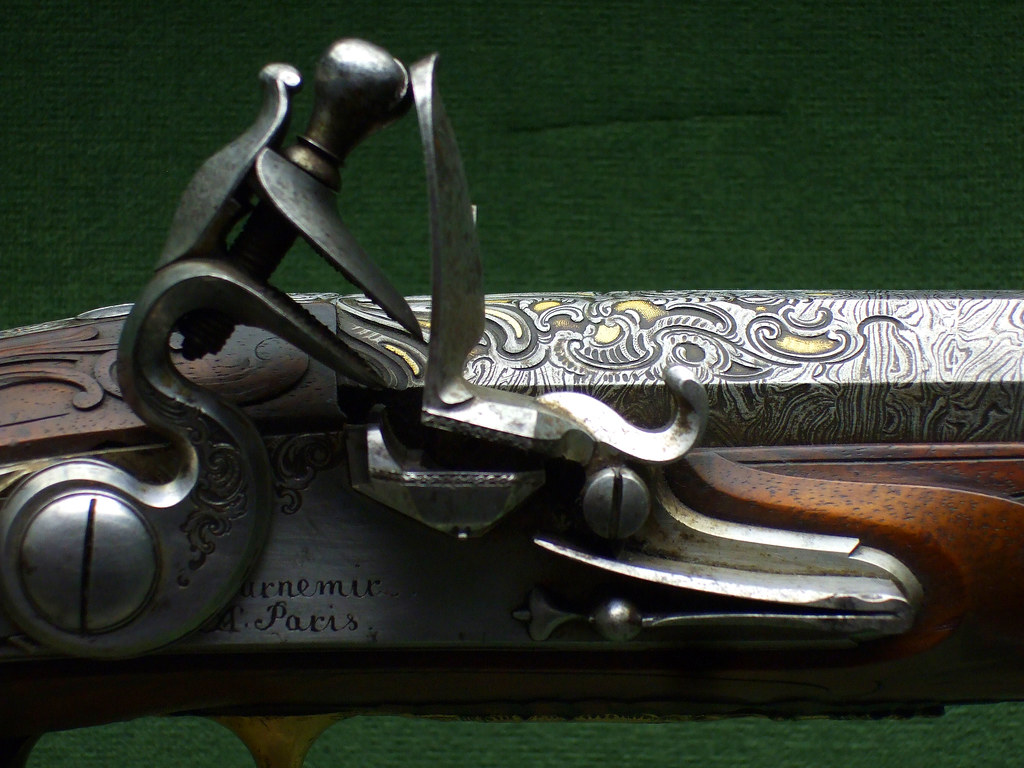
Differentiating between functional and non-functional antique firearms is crucial for collectors, enthusiasts, and historians who wish to understand the true nature and value of these historical artifacts. While some antique firearms may still possess the capability to fire, others have been rendered inoperable over time or intentionally deactivated. This comprehensive guide will provide you with valuable insights and techniques to help you distinguish between functional and non-functional antique firearms.
How Does One Differentiate Between Functional and Non-functional Antique Firearms?
1. Examine the Barrel and Firing Mechanism
Start by examining the barrel and firing mechanism of the antique firearm. Look for signs of wear, corrosion, or damage that may affect its functionality. A functional firearm will typically have a clear and well-maintained barrel without obstructions or significant defects. Additionally, check the firing mechanism, such as the hammer, trigger, and firing pin, to ensure they are intact and properly functioning.
2. Assess the Condition of the Bore
The condition of the bore, which refers to the interior of the barrel, can provide insights into the functionality of the antique firearm. Inspect the bore for signs of rust, pitting, or other damage that could hinder the weapon’s ability to fire accurately or safely. A non-functional firearm may exhibit severe deterioration or blockage in the bore, indicating that it is not suitable for firing.
3. Examine the Firing Pin and Chamber
The firing pin and chamber are critical components that impact the functionality of an antique firearm. Carefully inspect the firing pin for signs of wear, damage, or alteration. A non-functional firearm may have a modified or removed firing pin, rendering it incapable of discharging ammunition. Similarly, examine the chamber, which is the portion of the barrel that holds the cartridge, to ensure it is in proper condition and capable of accommodating ammunition.
4. Check for Deactivation or Modification Marks
In some cases, antique firearms may have been intentionally deactivated or modified to prevent their use. Look for deactivation or modification marks, which are typically applied by professionals to indicate that the firearm has been rendered inoperable. These marks can include plugs or pins inserted into the barrel or chamber, welded components, or stamped markings. Such markings are an indication that the firearm is non-functional.
5. Seek Expert Opinion and Professional Evaluation
If you are uncertain about the functionality of an antique firearm, it is advisable to seek the opinion of experts or consult professionals specializing in firearms. They possess the knowledge and experience to evaluate the condition, functionality, and authenticity of antique firearms. Their expertise can help you determine whether a firearm is functional or non-functional, ensuring accurate classification and informed decision-making.
6. Understand Legal Requirements and Regulations
Different jurisdictions may have specific legal requirements and regulations regarding the ownership and possession of antique firearms, both functional and non-functional. It is essential to familiarize yourself with the applicable laws and regulations in your region to ensure compliance. Consult local authorities or legal professionals to understand the specific requirements for owning and handling antique firearms in your area.
7. Consider Historical Documentation and Provenance
Historical documentation and provenance can provide valuable insights into the functionality of an antique firearm. Research the firearm’s history and previous ownership to determine its usage and whether it was primarily intended as a functional weapon or had a ceremonial or decorative purpose. Historical records, letters, or accounts associated with the firearm can shed light on its original functionality and use.
8. Exercise Caution and Safety
Regardless of whether an antique firearm is classified as functional or non-functional, it is essential to exercise caution and prioritize safety when handling these historical weapons. Treat all firearms as if they were functional, following proper safety protocols and storage guidelines. Never assume that a non-functional firearm is completely incapable of discharging ammunition, as modifications or alterations may have been made incorrectly or could be reversed.
Conclusion
Differentiating between functional and non-functional antique firearms requires careful examination, expert evaluation, and consideration of historical context. By assessing the condition of the barrel, firing mechanism, bore, firing pin, and chamber, and checking for deactivation or modification marks, you can determine the functionality of an antique firearm. Seek expert opinions, understand legal requirements, and consider historical documentation to enhance your understanding and classification of these historical artifacts. Remember to exercise caution and prioritize safety when handling any antique firearm, regardless of its functionality.


