
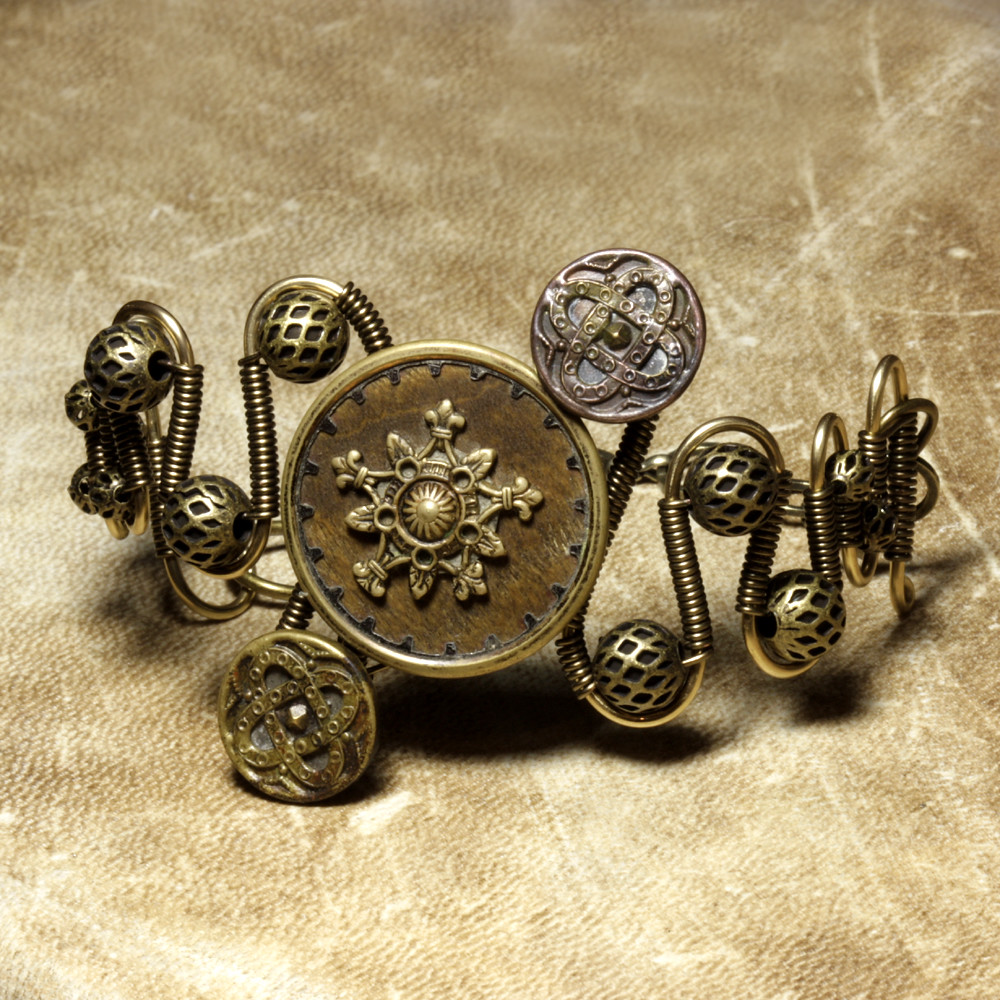
Antique jewelry is a popular collector’s item, and many people enjoy owning and wearing these pieces. However, it’s important to be able to differentiate between genuine antique jewelry and reproductions to ensure that you are getting what you paid for.
Differentiate Between Genuine Antique Jewelry and Reproductions
Here are some tips on how to differentiate between genuine antique jewelry and reproductions:
1. Examine the Style and Design
One of the easiest ways to differentiate between genuine antique jewelry and reproductions is to examine the style and design of the piece. Antique jewelry often features unique designs and intricate details that are not commonly found in modern jewelry. Reproductions, on the other hand, often replicate popular antique styles and designs, but may not have the same level of detail or craftsmanship as the original.
2. Inspect the Metal and Materials
Another way to differentiate between genuine antique jewelry and reproductions is to inspect the metal and materials used in the piece. Antique jewelry is often made from high-quality metals such as gold, silver, or platinum, and may feature precious gemstones or pearls. Reproductions, on the other hand, may be made from cheaper metals and materials or may use synthetic gemstones instead of genuine ones.
3. Check for Maker’s Marks and Hallmarks
Many antique jewelry pieces feature maker’s marks or hallmarks, which can help you determine the authenticity of the piece. Maker’s marks are often stamped on the piece by the jewelry maker, while hallmarks are stamped by an independent assayer to verify the metal content of the piece. Reproductions may feature similar marks or hallmarks, but they may not be genuine or may be altered to make the piece appear more valuable.
4. Examine the Construction and Techniques
The construction and techniques used to create antique jewelry can also provide clues to its authenticity. Antique jewelry is often handcrafted and features intricate details and fine craftsmanship. Reproductions, on the other hand, may be mass-produced and lack the same level of detail and craftsmanship as the original. Look for signs of handiwork, such as tool marks or irregularities in the metal, to determine if the piece is genuine.
5. Look for Signs of Wear and Tear
Genuine antique jewelry is often well-worn and may show signs of wear and tear. Look for scratches, dents, and other signs of use that are consistent with the age of the piece. Reproductions may appear new or may show signs of wear and tear that are inconsistent with the age of the piece.
6. Consider the Provenance and History
The provenance and history of a piece of antique jewelry can also provide clues to its authenticity. Research the piece to determine its age, origin, and history. Look for documentation, such as appraisals, receipts, or certificates of authenticity, that can verify the piece’s authenticity. Reproductions may not have the same level of history or provenance as genuine antique jewelry.
Conclusion
Differentiating between genuine antique jewelry and reproductions can be challenging, but by examining the style and design, inspecting the metal and materials, checking for maker’s marks and hallmarks, examining the construction and techniques, looking for signs of wear and tear, and considering the provenance and history, you can determine the authenticity of a piece. Remember that genuine antique jewelry is often unique, handcrafted, and well-worn, and features high-quality materials and craftsmanship. By knowing what to look for, you can ensure that you are getting a genuine antique piece that will provide you with years of enjoyment and value. Reproductions, on the other hand, may look similar to antique pieces but may lack the same level of craftsmanship, materials, and history. It’s important to do your research, ask questions, and examine the piece carefully before making a purchase. With these tips in mind, you can confidently navigate the world of antique jewelry and build a collection of unique and valuable pieces.


